What Is Reactive Dog UK 2026
Learn what makes a dog reactive, identify the signs, and find UK professional help. Complete guide to understanding and managing reactive dogs in 2026.
Sarah

What Is a Reactive Dog UK 2026: Understanding Canine Reactivity and Finding Help
If you've ever walked past another dog owner whose pet is barking, lunging, or appearing distressed at the sight of other dogs or people, you've likely witnessed canine reactivity. But what exactly is a reactive dog, and how can UK dog owners recognise, understand, and manage this challenging behaviour? In this comprehensive guide, we'll explore everything you need to know about reactive dogs in the UK, from identifying the signs to finding the right professional support.
Understanding Dog Reactivity: The Basics
A reactive dog is one that responds to specific triggers in their environment with intense, often disproportionate emotional and behavioural responses. Unlike aggression, which involves intent to harm, reactivity is typically rooted in fear, frustration, overstimulation, or protective instincts. The key difference lies in the underlying motivation and the dog's ability to make rational decisions when triggered.
Reactive dogs aren't "bad" dogs – they're often anxious, overwhelmed, or inadequately socialised animals who struggle to cope with certain situations. The behaviour can manifest as barking, lunging, spinning, jumping, or other dramatic displays that may appear aggressive but are actually defensive or stress-related responses.
In the UK, dog reactivity is increasingly recognised by animal behaviourists and veterinary professionals as a complex issue requiring specialised understanding and treatment approaches. Organisations like the Association of Pet Dog Trainers (APDT) and the Institute of Modern Dog Trainers (IMDT) emphasise the importance of using force-free, positive methods when working with reactive dogs.

Common Signs of Dog Reactivity
Recognising reactivity in dogs requires understanding both obvious and subtle behavioural indicators. Many UK dog owners initially mistake reactivity for dominance or naughtiness, but understanding the true signs helps ensure appropriate intervention.
Physical Signs of Reactivity
The most visible signs of reactivity include intense barking at specific triggers, lunging or pulling towards or away from stimuli, raised hackles, rigid body posture, and excessive panting or drooling in triggering situations. Some dogs may also exhibit spinning, jumping, or other repetitive behaviours when overwhelmed.
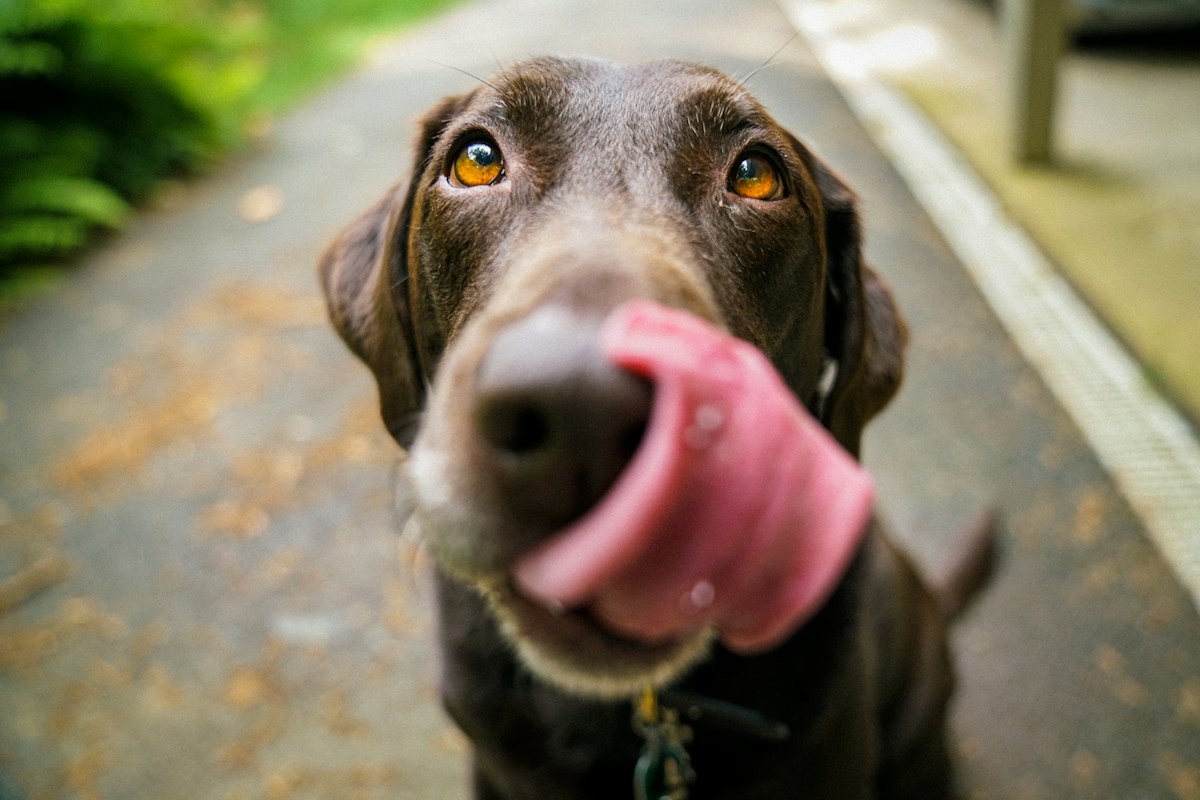
More subtle physical indicators include lip licking, yawning when not tired, whale eye (showing the whites of their eyes), trembling or shaking, and difficulty settling or focusing when triggers are present. These calming signals often precede more dramatic reactive episodes.
Emotional and Behavioural Indicators
Reactive dogs frequently display hypervigilance – constantly scanning their environment for potential threats. They may struggle to focus on their owners during walks, particularly in areas where triggers are likely. Recovery time after reactive episodes is often prolonged, with some dogs remaining unsettled for hours after an incident.
Many reactive dogs also show generalised anxiety, difficulty relaxing at home, changes in appetite or sleep patterns, and regression in previously learned behaviours. These secondary effects highlight how reactivity impacts a dog's overall wellbeing, not just their behaviour during walks.
Common Triggers for Reactive Dogs in the UK
Understanding what typically triggers reactive responses helps UK dog owners anticipate and manage challenging situations. While triggers vary between individual dogs, certain stimuli commonly provoke reactive behaviour across the country.
Environmental and Social Triggers
Other dogs are the most frequent trigger, particularly on-lead encounters where natural communication is restricted. Many reactive dogs cope better with off-lead interactions but struggle with the tension and limited escape options when restrained by leads.
People can also trigger reactive responses, especially children, joggers, cyclists, or individuals wearing unusual clothing or carrying equipment. Urban environments in UK cities present particular challenges, with narrow pavements, busy streets, and frequent encounters with triggers creating stress for reactive dogs.
Specific locations may become triggers through negative associations – veterinary practices, grooming salons, or areas where frightening experiences occurred can provoke reactive responses even before encountering the original trigger.
Situational and Contextual Factors
Resource guarding situations, where dogs become reactive around food, toys, or attention, are common in UK households. Territorial reactivity often manifests around the home, garden boundaries, or car, where dogs feel responsible for protecting their space.
Frustration-based reactivity occurs when dogs cannot access something they want – other dogs to play with, interesting smells, or areas they wish to explore. This type of reactivity is particularly common in young, energetic breeds popular in the UK, such as Labrador Retrievers and Border Collies.
The Science Behind Reactive Behaviour
Modern canine behaviour science helps us understand why dogs become reactive and how their brains process triggering situations. This knowledge has revolutionised approaches to treating reactivity across the UK veterinary and training communities.
Neurological Responses
When a reactive dog encounters a trigger, their sympathetic nervous system activates the fight-or-flight response. Stress hormones like cortisol and adrenaline flood their system, preparing the body for perceived danger. In this state, the prefrontal cortex – responsible for rational thinking and learned responses – goes offline.
This neurological hijacking explains why reactive dogs cannot simply "obey" commands during episodes. Their brains are literally incapable of processing training cues or making rational decisions until the stress response subsides and hormone levels normalise.
Learning and Conditioning
Reactivity often develops through classical conditioning, where neutral stimuli become associated with negative experiences. A puppy frightened by an off-lead dog may develop reactivity to all dogs, regardless of their actual threat level. This learned response becomes deeply ingrained and automatic.
Operant conditioning also plays a role, as reactive behaviours often "work" from the dog's perspective. Barking and lunging may cause other dogs to move away, reinforcing the behaviour and making it more likely to occur in future encounters.
Impact on Dogs and Families
Living with a reactive dog affects entire households, creating stress and limitations that extend far beyond walk times. Understanding these impacts helps UK families recognise when professional support is needed and validates the challenges they face.
Effects on the Dog
Chronic stress from frequent reactive episodes takes a significant toll on canine health and wellbeing. Reactive dogs often exist in a state of heightened alertness, unable to fully relax and enjoy normal activities. This constant stress can suppress immune function, affect digestion, and contribute to premature ageing.
Many reactive dogs develop secondary behavioural issues, including destructive behaviour at home, difficulty settling, changes in appetite, and regression in house training or basic obedience. The cumulative effect creates a cycle where stress increases reactivity, which increases stress.
Impact on Families and Communities
UK families with reactive dogs often report feeling isolated and stressed about public outings. Simple activities like visiting the shops, meeting friends in parks, or attending family gatherings become complicated or impossible. Children in the household may feel embarrassed or worried about their dog's behaviour.
The broader community impact includes other dog owners crossing streets to avoid reactive dogs, complaints from neighbours about barking, and general tension in shared spaces like parks and walking paths. This social pressure adds to families' stress and can worsen the dog's anxiety through increased owner tension.
Treatment Approaches Used in the UK
Modern UK dog training emphasises positive, force-free methods when addressing reactivity. Professional behaviourists and trainers across the country use evidence-based techniques that address the underlying emotional issues driving reactive behaviour.
Desensitisation and Counter-Conditioning
These twin techniques form the foundation of most reactivity treatment programmes in the UK. Desensitisation involves gradually exposing dogs to triggers at intensities low enough that they don't react, slowly building tolerance over time. Counter-conditioning pairs triggers with positive experiences, helping dogs form new, positive associations.
UK behaviourists typically combine these approaches, presenting triggers at sub-threshold levels while providing high-value treats, play, or other rewards. The process requires patience and precise timing, which is why professional guidance is often essential for success.
Management and Environmental Modification
While working on long-term behaviour change, management strategies help prevent reactive episodes and reduce overall stress. This might include using different walking routes, avoiding peak times in busy areas, or using visual barriers to block triggers.
UK trainers often recommend specific equipment like front-clip harnesses, long training leads, or head collars to provide better control and reduce pulling-related stress. Some dogs benefit from anxiety wraps or calming supplements as part of a comprehensive treatment plan.
Dog Training Costs for Reactive Dogs in the UK (2026)
| Service Type | Cost Range | Duration | Notes |
|---|---|---|---|
| Initial Assessment | £80-£150 | 1-2 hours | Includes behaviour evaluation and treatment plan |
| 1-2-1 Training Sessions | £60-£120 | 1 hour | Weekly sessions recommended initially |
| Reactive Dog Group Classes | £25-£45 | 1 hour | 4-6 week courses common |
| Intensive Day Training | £200-£400 | Full day | Some trainers offer this for severe cases |
| Behaviour Modification Course | £300-£800 | 6-8 weeks | Complete programme with ongoing support |
| Online Consultation | £40-£80 | 45-60 mins | Follow-up sessions or initial guidance |
Prices vary significantly by location, with London and South East England typically at the higher end of ranges. Many trainers offer package deals for multiple sessions.
Finding Professional Help in the UK
When dealing with reactive behaviour, professional guidance from qualified trainers or behaviourists significantly improves outcomes and reduces the time needed to see progress.
Choosing the Right Professional
Look for trainers or behaviourists with specific experience in reactivity cases and qualifications from recognised UK organisations. The APDT, IMDT, and Animal Behaviour and Training Council (ABTC) maintain directories of qualified professionals who use modern, science-based methods.
Avoid trainers who promise quick fixes, use dominance-based language, or recommend confrontational techniques like alpha rolls or shock collars. Reactive dogs require patient, positive approaches that address underlying emotional issues rather than suppressing symptoms.
What to Expect from Treatment
Professional reactivity treatment typically begins with a detailed assessment of your dog's history, triggers, and current behaviour patterns. Treatment plans are individualised but usually combine management strategies with systematic behaviour modification protocols.
Progress is often slow and non-linear, with setbacks being normal parts of the process. Most UK behaviourists emphasise celebrating small improvements rather than expecting dramatic overnight changes. Realistic timelines for significant improvement typically range from several months to over a year, depending on the severity and duration of the reactivity.
Questions to Ask Before Hiring a Dog Trainer
- What qualifications do you hold from recognised UK dog training organisations?
- Do you have specific experience working with reactive dogs?
- What methods do you use, and can you explain the science behind them?
- Can you provide references from other reactive dog cases you've worked with?
- What does your typical treatment plan look like for reactive dogs?
- How do you measure progress and adjust training plans accordingly?
- Do you offer ongoing support between sessions?
- What happens if my dog doesn't respond to your initial approach?
- Are you insured and what continuing education do you undertake?
- Can you work with my vet if medication might be beneficial?
Prevention and Early Intervention
While some dogs may be genetically predisposed to reactivity, early intervention and proper socialisation significantly reduce the likelihood of developing severe reactive behaviour.
Puppy Socialisation in the UK
UK puppy owners should prioritise positive socialisation experiences during the critical period between 3-14 weeks of age. This includes controlled exposure to various people, dogs, environments, sounds, and experiences in ways that build confidence rather than create fear.
The Kennel Club's puppy socialisation programmes and reputable puppy training classes provide structured environments for positive early experiences. However, it's crucial that all interactions are positive – one negative experience during this sensitive period can have lasting impacts.
Recognising Early Warning Signs
Early signs of developing reactivity include excessive fear or hesitation around new stimuli, difficulty recovering from startling experiences, and showing stress signals in situations other puppies find enjoyable. Addressing these concerns promptly with positive training prevents escalation into full reactivity.
UK dog owners should seek professional guidance if their young dog shows persistent fearfulness, aggression towards other dogs or people, or extreme difficulty adapting to new situations. Early intervention is far more effective than waiting until reactive patterns become established.
Frequently Asked Questions
Can reactive dogs be completely cured? While many reactive dogs can make significant improvements with proper training and management, "cure" isn't always realistic or necessary. Most dogs can learn to cope better with their triggers and live fulfilling lives with appropriate support. The goal is typically management and emotional improvement rather than complete elimination of all reactive responses.
How long does it take to see improvement in reactive dogs? Progress timelines vary dramatically depending on the dog's history, severity of reactivity, consistency of training, and individual temperament. Some dogs show small improvements within weeks, while others may take months to display noticeable changes. Most UK behaviourists suggest allowing 6-12 months for significant progress, with ongoing management likely needed long-term.
Should I avoid other dogs completely while working on reactivity? Complete avoidance isn't usually necessary or beneficial. The key is managing encounters so your dog remains below their reaction threshold while gradually building positive associations. This might mean increasing distance, using barriers, or choosing quieter times and locations for walks while working with a professional on systematic behaviour modification.
Is medication ever recommended for reactive dogs in the UK? Veterinary behaviourists may recommend anti-anxiety medications as part of a comprehensive treatment plan for severely reactive dogs. Medications can help reduce overall anxiety levels, making behaviour modification training more effective. This should always be discussed with a qualified vet and combined with positive training methods.
Can reactive dogs attend group training classes? Special reactive dog classes are available across the UK and can be extremely beneficial. These classes are specifically designed with appropriate spacing, controlled environments, and trainers experienced in reactivity. Regular group classes are usually not suitable for reactive dogs until they've made significant progress in individual training.
Will my reactive dog ever be able to have dog friends? Many reactive dogs can develop positive relationships with other dogs, particularly with careful introductions and management. Some dogs do better with certain types of dogs or in specific situations like off-lead parks rather than on-lead encounters. A qualified behaviourist can assess your dog's specific situation and advise on realistic expectations for social interactions.
Understanding what makes a dog reactive is the first step towards helping them live a more comfortable, confident life. With patience, proper professional support, and commitment to positive training methods, most reactive dogs can learn to navigate their world with greater ease and reduced stress.
Find a Dog Trainer Near You →
Search our free UK directory to find qualified, accredited dog trainers and behaviourists across the UK. Compare local professionals, read reviews and find the right trainer for your dog today.
Comments(0)