Second Hand Dog Training UK 2026
Complete guide to second hand dog training UK 2026. Find qualified trainers for rescue dogs, costs, methods & tips for successful rehoming.
Sarah

Second Hand Dog Training UK 2026: Finding Quality Training for Rescue and Rehomed Dogs
When you welcome a rescue dog or rehomed pet into your family, you're not just gaining a companion – you're often inheriting their previous training experiences, both positive and challenging. Second hand dog training UK services have evolved significantly to address the unique needs of dogs who've already lived with other families, making it easier than ever to help your new four-legged friend settle into their forever home.
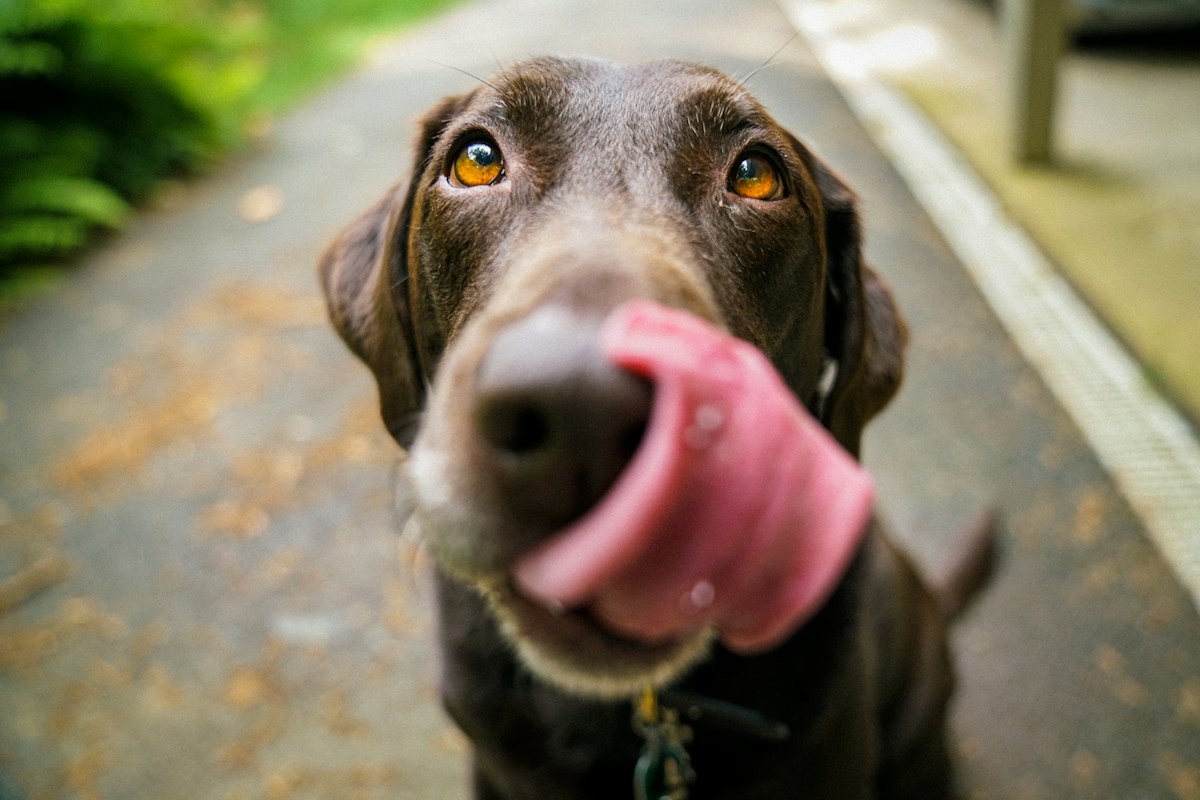
Understanding the complexities of working with previously owned dogs requires specialised knowledge, patience, and often a different approach compared to puppy training. Whether your rescue dog comes from a shelter, rehoming centre, or previous family, they bring their own history of experiences that shape their current behaviour and learning capacity.
Understanding Second Hand Dogs and Their Training Needs
Second hand dogs – a term encompassing rescue dogs, rehomed pets, and dogs transitioning between families – often arrive with a mixed bag of training experiences. Some may be exceptionally well-trained, whilst others might have gaps in their education or even need to unlearn problematic behaviours developed in their previous environment.
The Dogs Trust, one of the UK's leading dog welfare charities, reports that many dogs in their care have received some level of training, though consistency and methods vary widely. This creates unique challenges for new owners who must assess their dog's existing knowledge whilst building upon positive foundations and addressing any behavioural concerns.
Common Challenges with Previously Owned Dogs
Many second hand dogs struggle with consistency issues, as different families often use varying commands, schedules, and expectations. A dog might know "sit" but respond to "down" rather than "lie down," or they may be confused by new household rules that differ from their previous home.
Stress and anxiety frequently affect newly rehomed dogs, impacting their ability to learn and respond to training. The transition period can last several weeks or months, during which dogs may exhibit behaviours they wouldn't normally display, making it crucial to work with trainers experienced in rehabilitation and adjustment periods.
Trust building becomes paramount when working with dogs who may have experienced inconsistent handling, neglect, or even abuse. These dogs often require specialised approaches that prioritise building confidence and positive associations with human interaction before conventional training can be effective.
Types of Second Hand Dog Training Services Available
Rescue Dog Rehabilitation Programmes
Many UK dog trainers now offer specialised rehabilitation programmes designed specifically for rescue and rehomed dogs. These comprehensive services typically begin with a thorough behavioural assessment to understand the dog's history, current skill level, and any areas requiring attention.
The Association of Pet Dog Trainers (APDT) UK recommends looking for trainers with specific experience in rescue dog rehabilitation, as these professionals understand the unique psychological and behavioural challenges these dogs face during transition periods.
One-to-One Training Sessions
Individual training sessions remain the most popular choice for second hand dog owners, allowing trainers to tailor their approach to each dog's specific needs and history. These sessions can take place in your home, providing a familiar environment where your dog feels most comfortable learning.
Home-based training proves particularly beneficial for dogs experiencing anxiety or fear-based behaviours, as it eliminates the stress of unfamiliar locations whilst allowing trainers to address household-specific challenges like door reactivity, territorial behaviour, or settling routines.
Group Classes for Socialisation
Once your rescue dog has settled and demonstrated basic training compliance, group classes offer excellent opportunities for controlled socialisation. Many trainers run specific classes for rescue dogs, understanding that these pets may need extra time and patience during group interactions.
The Institute of Modern Dog Trainers (IMDT) emphasises the importance of positive socialisation experiences for rescue dogs, as many arrive with limited or negative experiences with other dogs and people outside their immediate family.
Finding Quality Second Hand Dog Training Professionals

Qualifications and Accreditations to Look For
When seeking trainers experienced in second hand dog training, prioritise professionals with recognised qualifications from organisations like the APDT, IMDT, or those certified by The Kennel Club's Good Citizen Dog Scheme. These accreditations ensure trainers follow ethical, science-based methods suitable for dogs with potentially complex backgrounds.
Look for additional qualifications in canine behaviour, anxiety management, or rescue dog rehabilitation. Many experienced trainers pursue continuing education in these specialised areas, demonstrating their commitment to helping all dogs, regardless of their past experiences.
Experience with Rescue and Rehomed Dogs
Practical experience working with rescue organisations, shelters, and rehoming centres provides trainers with invaluable insight into the common challenges faced by second hand dogs. Ask potential trainers about their experience with dogs from different backgrounds and their approach to handling anxiety, fear, and trust issues.
Trainers who volunteer with local rescue organisations or maintain relationships with shelters often bring a deeper understanding of the rehabilitation process and can provide more comprehensive support throughout your dog's adjustment period.
Cost Considerations for Second Hand Dog Training in 2026
| Service Type | Price Range | Session Duration | Typical Package |
|---|---|---|---|
| Initial Assessment | £75-£150 | 90-120 minutes | One-off consultation |
| One-to-One Training (Home) | £60-£120 | 60 minutes | 4-6 session packages |
| One-to-One Training (Venue) | £45-£95 | 60 minutes | 4-6 session packages |
| Rescue Dog Group Classes | £15-£35 | 45-60 minutes | 6-8 week courses |
| Intensive Rehabilitation Programme | £350-£750 | Varies | 2-4 week programmes |
| Follow-up Support Sessions | £40-£80 | 45 minutes | As needed basis |
Prices shown are typical ranges across the UK for 2026 and may vary based on location, trainer experience, and specific requirements
Factors Affecting Training Costs
Location significantly impacts training costs, with London and South East England typically commanding higher fees than other regions. However, many areas now offer competitive pricing due to increased availability of qualified trainers specialising in rescue dog work.
The complexity of your dog's needs also influences pricing. Dogs requiring extensive behavioural rehabilitation or those with specific anxieties may need longer programmes or more frequent sessions, affecting overall investment requirements.
Many trainers offer package deals for rescue dog owners, recognising the financial commitment already made in rehoming fees and initial veterinary care. Some even provide discounts for dogs adopted from specific charity partners.
What to Expect During Second Hand Dog Training
Initial Assessment Phase
Professional second hand dog training begins with a comprehensive assessment examining your dog's current behaviour, training knowledge, and any specific challenges they're experiencing. This evaluation typically takes place in your home environment, allowing the trainer to observe your dog's natural behaviour and identify environmental factors affecting their wellbeing.
During this phase, trainers gather detailed histories about your dog's background, previous training experiences, and current household dynamics. This information proves crucial in developing an appropriate training plan that respects your dog's past whilst building towards future success.
Building Foundation Skills
Many rescue dogs arrive with gaps in basic training or inconsistent command responses. Foundation work often involves establishing clear communication systems, teaching or reinforcing basic commands, and developing positive associations with learning activities.
Patience remains key during this phase, as dogs may need time to understand new expectations and build confidence in their abilities. Positive reinforcement methods prove particularly effective with rescue dogs who may have experienced negative training experiences previously.
Addressing Specific Behavioural Concerns
Common issues addressed during second hand dog training include separation anxiety, leash reactivity, resource guarding, and fearfulness around new people or situations. Experienced trainers understand these behaviours often stem from uncertainty or past negative experiences rather than dominance or stubbornness.
Treatment plans typically involve gradual exposure, confidence building, and teaching alternative behaviours rather than suppression techniques. This approach proves more effective and creates lasting positive changes in your dog's behaviour and emotional wellbeing.
Checklist: Questions to Ask Before Hiring a Second Hand Dog Trainer
- What specific experience do you have working with rescue or rehomed dogs?
- Are you qualified with recognised UK dog training organisations (APDT, IMDT, Kennel Club)?
- What training methods do you use, and how do you adapt them for anxious or fearful dogs?
- Can you provide references from other rescue dog owners you've worked with?
- How do you handle dogs with unknown or traumatic histories?
- What is your approach to building trust with dogs who may be wary of new people?
- Do you offer ongoing support after formal training sessions conclude?
- How do you involve family members in the training process?
- What happens if my dog doesn't respond well to your initial approach?
- Can you work with my dog's existing knowledge while addressing problem areas?
- Do you have experience with the specific breed or size of dog I've adopted?
- How long do you typically expect the training process to take for rescue dogs?
Benefits of Professional Training for Second Hand Dogs
Faster Integration into New Homes
Professional training accelerates the process of helping rescue dogs understand expectations in their new environment. Experienced trainers can quickly identify what your dog already knows and build upon those foundations whilst addressing any confusion or gaps in their education.
This structured approach reduces stress for both dogs and families, creating clearer communication and faster establishment of household routines. Dogs who receive professional support during their transition period typically adjust more quickly and demonstrate fewer long-term behavioural issues.
Addressing Underlying Anxiety and Fear
Many rescue dogs carry emotional baggage from their previous experiences, manifesting as anxiety, fearfulness, or reactive behaviour. Professional trainers experienced in rehabilitation can identify these underlying issues and develop appropriate treatment plans that address root causes rather than just symptoms.
Working with qualified professionals ensures your dog receives appropriate support for their emotional wellbeing whilst learning practical skills for daily life. This dual approach proves more effective than attempting to address behavioural symptoms without considering their emotional foundations.
Building Stronger Human-Dog Bonds
Professional guidance helps new owners understand their rescue dog's communication signals, body language, and individual needs more effectively. This deeper understanding fosters stronger bonds and more intuitive relationships between dogs and their families.
Trainers can also help families develop realistic expectations and celebrate progress appropriately, building confidence in both dogs and owners throughout the adjustment process.
Frequently Asked Questions
How long does it typically take to train a second hand dog?
The timeline for training a rescue or rehomed dog varies significantly based on their background, current behaviour, and specific needs. Most dogs show initial progress within 2-4 weeks of consistent training, but full integration and advanced training may take 3-6 months or longer. Dogs with traumatic histories or significant behavioural challenges may require extended support, whilst well-socialised dogs from loving homes might adapt more quickly to new expectations and routines.
Is second hand dog training more expensive than puppy training?
Second hand dog training costs are generally comparable to puppy training, though some dogs may require longer programmes or specialised approaches that increase overall investment. Many trainers offer competitive packages specifically for rescue dog owners, and the investment often proves worthwhile given the faster adjustment and reduced likelihood of developing long-term behavioural problems.
Can older rescue dogs still learn new behaviours and commands?
Absolutely! The saying "you can't teach an old dog new tricks" is completely false. Dogs of all ages can learn new behaviours, commands, and even complex skills when training uses positive, appropriate methods. Older dogs often bring focus and life experience that can actually make training easier in some respects, though patience and consistency remain important throughout the process.
Should I wait for my rescue dog to settle before starting training?
Light training and structure can actually help dogs settle more quickly into their new homes by providing clear expectations and building confidence. However, intensive training programmes should typically wait until dogs have had 1-2 weeks to decompress from the stress of rehoming. Your trainer can assess your dog's readiness and recommend an appropriate timeline for beginning formal training sessions.
What if my rescue dog has behavioural issues that weren't disclosed?
Many rescue organisations provide detailed behavioural assessments, but some issues only become apparent in home environments or after dogs have settled enough to display their natural behaviour. Professional trainers experienced with rescue dogs understand this reality and can adapt their approach as new information becomes available. Most behavioural challenges are manageable with appropriate training and patience.
Do I need different insurance for a rescue dog receiving behavioural training?
Standard pet insurance typically covers dogs regardless of their background, but it's worth checking policy details regarding behavioural training coverage. Some insurers offer enhanced coverage for rescue dogs, whilst others may exclude pre-existing behavioural conditions. Discuss your dog's needs with your insurance provider to ensure appropriate coverage for any training or behavioural support they might require.
Regional Variations and Availability
Training availability varies across the UK, with urban areas typically offering more specialised services than rural regions. However, many experienced trainers now offer remote consultations and travel to provide services in areas with limited local options.
Scotland, Wales, and Northern Ireland have seen significant growth in rescue dog training services, with many trainers developing expertise through partnerships with local rescue organisations. This growth reflects increasing awareness of the specific needs of rehomed dogs and the benefits of professional support during transition periods.
The rise of online training resources has also expanded access to specialised guidance, though hands-on assessment and training remain crucial for addressing complex behavioural challenges effectively.
Professional second hand dog training represents an invaluable investment in your rescue dog's future happiness and your family's wellbeing. By choosing experienced, qualified trainers who understand the unique needs of previously owned dogs, you're providing the best possible start for your new companion's life with your family.
Find a Dog Trainer Near You →
Search our free UK directory to find qualified, accredited dog trainers and behaviourists across the UK. Compare local professionals, read reviews and find the right trainer for your dog today.
Comments(0)