Reading Dog Body Language UK
Learn to read dog body language with our comprehensive UK guide. Understand stress signals, aggression signs and improve communication with your dog.
Sarah

Reading Dog Body Language UK: A Complete Guide to Understanding Your Canine Companion
Understanding your dog's body language is one of the most valuable skills any dog owner can develop. Dogs communicate primarily through their body posture, facial expressions, and movements, and being able to interpret these signals correctly can strengthen your bond, prevent behavioural issues, and keep both you and your dog safe. For UK dog owners, learning to read these subtle cues is essential for responsible pet ownership and can help create a harmonious relationship built on mutual understanding and trust.
Many behavioural problems stem from miscommunication between dogs and their owners. When we misinterpret our dog's signals—or fail to recognise them altogether—we may inadvertently create stress, anxiety, or even aggressive responses. Professional dog trainers across the UK emphasise that learning to read canine body language is fundamental to successful training and behaviour modification programmes.
Why Understanding Dog Body Language Matters
Dogs are incredibly expressive animals, constantly communicating their emotional state, intentions, and needs through their body language. Unlike humans, who rely heavily on verbal communication, dogs use a complex system of visual signals that have evolved over thousands of years. When we learn to "speak dog," we can respond appropriately to their needs, prevent problematic situations from escalating, and build a deeper connection with our canine companions.
The ability to read dog body language is particularly crucial in the UK, where dogs often interact with other dogs in parks, on leads during walks, and in various social situations. Recognising early warning signs of stress or discomfort can help prevent dog-to-dog conflicts and ensure public safety. The Kennel Club and other UK canine organisations strongly advocate for owner education in this area as part of responsible dog ownership.
Key Areas of Canine Body Language
Tail Positioning and Movement
A dog's tail is perhaps the most obvious indicator of their emotional state, but it's also one of the most misunderstood. Contrary to popular belief, a wagging tail doesn't always indicate happiness. The height, speed, and direction of the wag all convey different messages.
A high, stiff tail held erect often indicates alertness, confidence, or potential dominance. When combined with a rigid body posture, this can signal that a dog is assessing a situation and may be preparing to react. Conversely, a tail held low or tucked between the legs typically indicates fear, anxiety, or submission.
The speed of the wag is equally important. Fast, loose wags usually indicate excitement and friendliness, whilst slow, deliberate wags can suggest uncertainty or caution. Recent research has even shown that dogs wag more to the right when feeling positive emotions and more to the left when experiencing negative emotions, though this subtle difference is difficult for most people to detect.
Ear Position and Movement
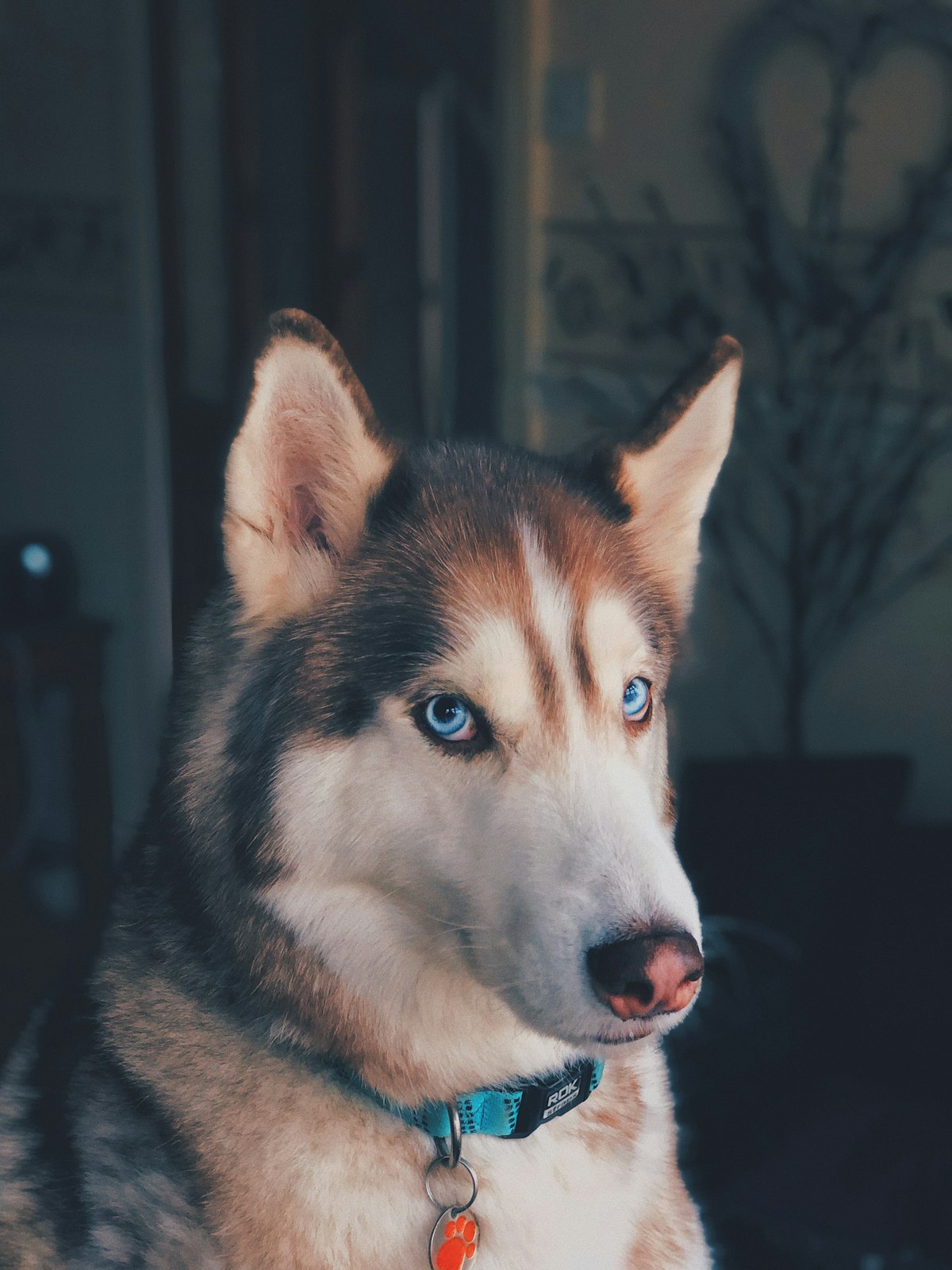
A dog's ears are incredibly mobile and expressive, providing valuable insight into their mental state. Forward-facing, erect ears typically indicate alertness and interest, whilst ears pinned back against the head often signal fear, anxiety, or submission. However, it's important to consider breed differences—some dogs have naturally upright ears whilst others have ears that hang down.
Dogs with floppy ears may be more challenging to read, but you can still observe subtle changes in ear position. Watch for ears that move forward when interested or pull back slightly when uncertain. The key is to observe changes from your dog's baseline ear position rather than looking for specific positions.
Facial Expressions and Eye Contact
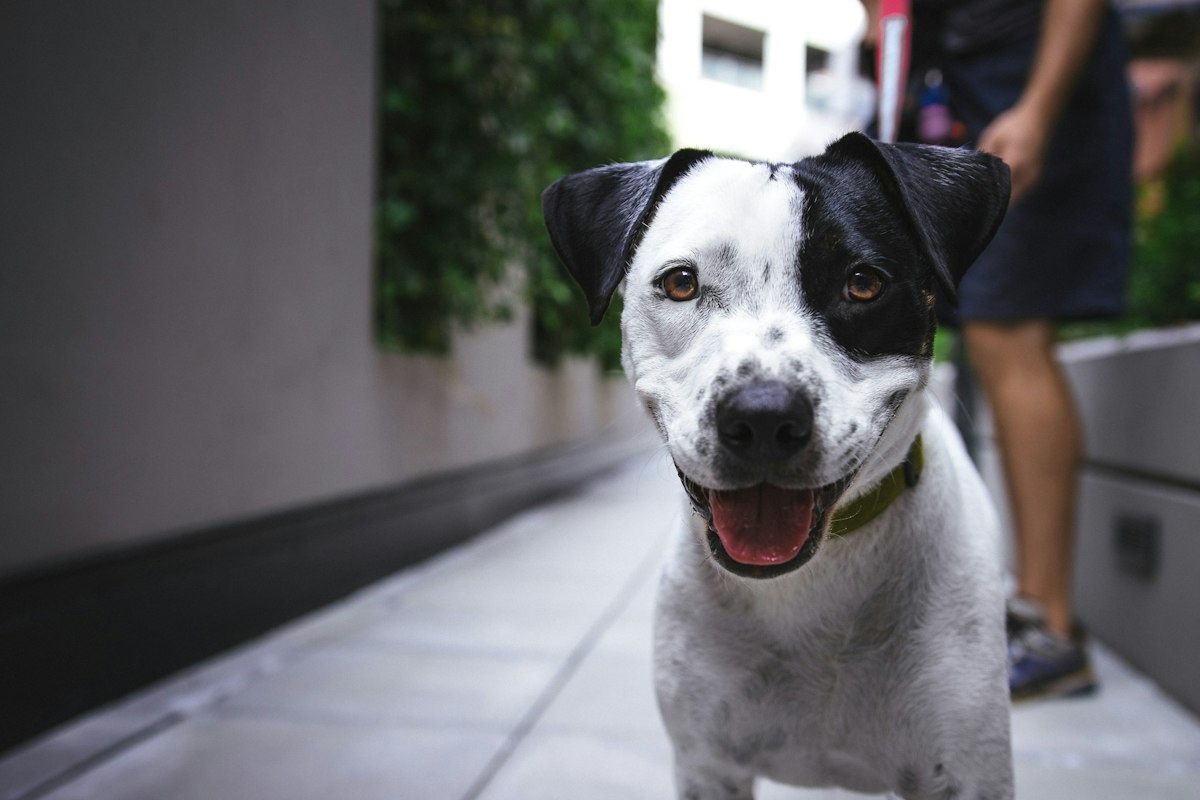
Dogs have remarkably expressive faces, and learning to read their facial expressions is crucial for understanding their emotional state. A relaxed dog typically has soft, slightly squinted eyes, an open mouth with the tongue lolling out, and a generally peaceful expression. In contrast, a stressed or anxious dog may have wide, staring eyes, a tightly closed mouth, and tension visible in their facial muscles.
Eye contact in dogs carries significant meaning. Direct, hard staring is often a threat signal in canine communication, whilst soft, brief glances typically indicate friendliness or seeking attention. Dogs often use "whale eye"—showing the whites of their eyes—when feeling stressed or cornered, and this is an important warning sign that owners should recognise.
Body Posture and Movement
A dog's overall body posture tells a comprehensive story about their emotional state. A confident, relaxed dog typically stands with their weight evenly distributed, muscles loose, and movements fluid. They may approach situations with a bouncy gait and appear comfortable taking up space.
Conversely, a fearful or anxious dog may appear smaller, crouching low with their weight shifted backwards, ready to flee. They might move slowly and cautiously, or conversely, display frantic, erratic movements when panic sets in. Aggressive dogs often make themselves appear larger, standing tall with their weight forward, muscles tense, and movements deliberate and controlled.
Recognising Stress Signals
Understanding stress signals is particularly important for UK dog owners, as our dogs often face various stressors in urban environments, from traffic noise to crowded parks. Early recognition of stress can prevent problems from escalating and help you support your dog through challenging situations.
Common stress signals include excessive panting when not hot or after exercise, drooling, trembling, repetitive behaviours like spinning or tail-chasing, and displacement behaviours such as sudden scratching, sniffing, or yawning when not tired. Many dogs also display "calming signals," which are behaviours designed to defuse tension and communicate peaceful intentions.
These calming signals, identified by Norwegian dog trainer Turid Rugaas, include lip licking, turning away, sniffing the ground, yawning, and moving slowly. Recognising these signals can help you understand when your dog is feeling uncomfortable and needs space or support.
Reading Aggressive Body Language
Understanding aggressive body language is crucial for safety, both for your family and the general public. Aggressive posturing in dogs typically follows a predictable pattern, starting with subtle warnings and escalating if the warnings are ignored.
Early warning signs include a stiff, frozen posture, direct staring, raised hackles (the hair along the back of the neck and spine), and a low, rumbling growl. The dog may also display a hard, closed mouth with lips pulled forward to expose teeth, and their tail may be held high and stiff.
It's important to note that fear-based aggression can look different from confident aggression. A fearful dog may display mixed signals—crouching low whilst also growling, or showing submissive postures combined with defensive snapping. These dogs are often more unpredictable and require careful handling by experienced professionals.
Playful vs Aggressive Behaviour
One of the most common misunderstandings in dog body language is distinguishing between play and aggression. This confusion can lead to unnecessary intervention in normal play or, conversely, failure to recognise when play has become too intense.
During healthy play, dogs typically display bouncy movements, play bows (front end down, rear end up), and loose, wiggly body language. Their mouths are often open in a "play face," and they may engage in chase games with frequent role reversals. Vocalisation during play is usually higher-pitched and brief, quite different from the deep, sustained growls of serious aggression.
However, play can sometimes escalate, and it's important to recognise when intervention is needed. Signs that play is becoming too intense include sustained mounting, prolonged pinning of one dog by another, high-pitched yelping, or one dog consistently trying to escape whilst the other continues to pursue.
Breed Considerations
When reading dog body language, it's essential to consider breed-specific characteristics that can affect interpretation. Brachycephalic breeds (those with flat faces) like Bulldogs and Pugs may have different facial expressions due to their anatomy, making it harder to read traditional stress signals around the mouth and eyes.
Similarly, breeds with cropped ears or naturally erect ears communicate differently from those with floppy ears, and heavily coated breeds may have less visible body language cues. Herding breeds often display intense staring and crouching behaviours that are part of their working heritage, which shouldn't be confused with aggressive posturing.
Northern breeds like Huskies and Malamutes may have naturally erect tails and alert expressions that could be misinterpreted as dominance or aggression when they're simply displaying their breed's typical demeanour. Understanding your dog's breed characteristics helps you distinguish between normal breed behaviours and genuine emotional responses.
Dog Training Costs for Body Language Consultation
| Service Type | Duration | Average Cost (2026) | Notes |
|---|---|---|---|
| Basic Body Language Workshop | 2 hours | £45-65 | Group setting, general education |
| One-to-One Consultation | 1 hour | £60-90 | Personalised assessment |
| Behavioural Assessment | 90 minutes | £80-120 | Includes written report |
| Follow-up Session | 1 hour | £50-75 | After initial consultation |
| Online Body Language Course | Self-paced | £25-45 | Video tutorials and materials |
| Puppy Socialisation Class | 6 weeks | £120-180 | Includes body language education |
Questions to Ask Before Hiring a Dog Trainer
- Are you qualified with recognised UK organisations such as the APDT (Association of Pet Dog Trainers), IMDT (Institute of Modern Dog Trainers), or similar?
- What experience do you have specifically with canine body language and behaviour interpretation?
- Do you use positive, force-free training methods, and can you explain your training philosophy?
- Can you provide references from previous clients who have worked on similar issues?
- How do you stay updated with current research and best practices in canine behaviour?
- What is your approach to helping owners understand and respond to their dog's body language?
- Do you offer ongoing support after the initial training sessions?
- Are you insured for professional indemnity and public liability?
- How do you handle situations where a dog displays aggressive body language?
- Can you work with my vet or veterinary behaviourist if needed for complex cases?
Practical Tips for UK Dog Owners
Start observing your dog's body language in different situations throughout the day. Keep a mental note of how they look when relaxed, excited, anxious, or focused. This baseline knowledge will help you recognise when something is different or concerning.
Practice reading other dogs' body language during walks or visits to dog parks, but always maintain a safe distance and never approach unfamiliar dogs without permission. Many UK dog training clubs and organisations offer body language workshops where you can practice these skills in a controlled environment.
Consider the context when interpreting body language. A dog displaying alert postures might be excited to see their favourite person, concerned about an approaching stranger, or simply interested in an interesting smell. Environmental factors, recent experiences, and your dog's individual personality all influence their body language.
Working with Professional Trainers
If you're struggling to understand your dog's body language or if your dog is displaying concerning behaviours, consider working with a qualified professional. The APDT and IMDT maintain directories of accredited trainers across the UK who can help you develop these skills and address specific behavioural concerns.
A good trainer will not only help you understand your dog's current body language but also teach you how to influence it positively through training and environmental management. They can also help you recognise subtle warning signs that you might be missing and develop strategies for supporting your dog through stressful situations.
Building Better Communication
Remember that communication is a two-way street. Just as you're learning to read your dog's signals, they're constantly reading yours. Your body language, tone of voice, and emotional state all influence how your dog responds to you. Maintaining calm, confident body language helps your dog feel secure and makes it easier for them to display relaxed, appropriate behaviours.
Practice clear, consistent communication with your dog through your own body language. Use confident postures when you need your dog to listen, and relaxed, inviting postures when you want to encourage approach and interaction. This mutual understanding forms the foundation of a strong human-canine relationship.
Frequently Asked Questions
How long does it take to learn to read dog body language effectively? Most people can start recognising basic signals within a few weeks of focused observation, but developing truly nuanced reading skills takes months of practice. The key is consistent observation and, ideally, guidance from a qualified trainer. Every dog is individual, so learning your specific dog's signals may happen more quickly than generalising to all dogs.
Can puppies display the same body language signals as adult dogs? Puppies do show many of the same basic signals, but their body language is often less refined and can change rapidly as they develop. Young puppies may not yet have full control over their ear and tail movements, and their signals can be more exaggerated or unclear. Socialisation during puppyhood is crucial for developing appropriate body language communication skills.
What should I do if my dog is showing stress signals? First, try to identify and remove the stressor if possible. Give your dog space and avoid forcing interactions. If stress signals persist or occur frequently, consult with a qualified behaviourist or your vet to rule out medical causes and develop a management plan. Never punish stress signals, as this can worsen anxiety and suppress important communication.
Are there cultural differences in how UK dogs communicate compared to dogs from other countries? While basic canine body language is universal, there can be subtle differences based on breeding practices, socialisation experiences, and environmental factors. UK dogs may be more accustomed to urban environments, lead walking, and frequent human interaction, which can influence their communication styles. However, the fundamental signals remain consistent across all domestic dogs.
How can I tell if my dog is in pain through their body language? Pain can significantly alter a dog's normal body language. Look for reluctance to move, hunched posturing, trembling, excessive panting, or changes in normal behaviours. Some dogs become more withdrawn when in pain, whilst others may become more reactive. Any sudden changes in your dog's normal body language patterns warrant veterinary attention.
Should I be concerned if my dog's body language changes suddenly? Sudden changes in body language can indicate medical issues, environmental stressors, or emotional distress. If your normally confident dog becomes withdrawn, or if your typically calm dog becomes reactive, it's worth investigating. Consider recent changes in routine, environment, or health, and consult professionals if the changes persist or worsen.
Understanding your dog's body language is a journey that deepens your relationship and improves both your lives together. With patience, observation, and possibly professional guidance, you can become fluent in your dog's unique communication style. This skill not only prevents problems but creates a foundation of trust and mutual understanding that enhances every aspect of your partnership.
Find a Dog Trainer Near You →
Search our free UK directory to find qualified, accredited dog trainers and behaviourists across the UK. Compare local professionals, read reviews and find the right trainer for your dog today.
Comments(0)