Puppy Toilet Training Tips UK
Expert puppy toilet training tips UK methods using positive reinforcement. Complete guide to house training success with realistic timelines and professional ad
Sarah

Puppy Toilet Training Tips UK: A Complete Guide to House Training Success
Getting a new puppy is one of life's greatest joys, but it also comes with the challenge of house training. If you're searching for effective puppy toilet training tips UK methods, you've come to the right place. House training your puppy requires patience, consistency, and the right approach, but with proper guidance, most puppies can be reliably house trained within 4-6 months.
House training accidents are completely normal during the learning process, and every puppy develops at their own pace. The key is establishing a routine that works for both you and your furry friend whilst using positive reinforcement techniques recommended by UK canine behaviour experts.

Understanding Puppy Bladder Development
Before diving into training techniques, it's essential to understand your puppy's physical development. Young puppies have small bladders and limited control over their bodily functions. As a general rule, a puppy can hold their bladder for approximately one hour per month of age, plus one additional hour. This means a three-month-old puppy might manage four hours maximum, though this varies significantly between individuals.
Puppies typically need to eliminate:
- Upon waking up
- After eating or drinking
- Following play sessions
- Before bedtime
- Every 2-4 hours during the day
Understanding these natural patterns helps you anticipate when accidents might occur and plan successful toilet trips accordingly.
The Foundation: Establishing a Routine
Consistency forms the cornerstone of successful house training. UK dog training organisations like the Association of Pet Dog Trainers (APDT) emphasise that puppies thrive on predictable schedules that help them learn appropriate elimination habits.
Creating Your Daily Schedule
Start by establishing regular feeding times, as this directly impacts when your puppy needs toilet breaks. Feed your puppy at the same times each day - typically 3-4 meals for young puppies - and take them outside 15-30 minutes after eating.
Your routine should include:
- Morning toilet break immediately upon waking
- Post-meal bathroom trips
- Regular hourly breaks during active periods
- Pre-bedtime final outing
- Overnight arrangements for very young puppies
Choosing the Right Toilet Area
Designate a specific area in your garden where you want your puppy to eliminate. This consistency helps them associate the location with the desired behaviour. Choose somewhere easily accessible and away from play areas or where you might be gardening.
Positive Reinforcement Techniques
Modern UK dog training emphasises reward-based methods that build confidence and strengthen the bond between you and your puppy. The Institute of Modern Dog Trainers (IMDT) advocates for positive reinforcement techniques that make learning enjoyable.
Reward Systems That Work
When your puppy eliminates in the correct location, immediately praise them enthusiastically and offer a high-value treat. Timing is crucial - the reward must come within seconds of the desired behaviour for your puppy to make the connection.
Effective rewards include:
- Verbal praise in an excited, happy voice
- Small, tasty training treats
- Brief play sessions
- Gentle stroking and attention
The Power of "Toilet" Commands
Teaching a toilet command helps your puppy understand what you expect. Choose a word or phrase like "toilet," "busy," or "wee-wees" and use it consistently when your puppy begins to eliminate in the correct area. Over time, they'll associate the command with the action and may eliminate on cue.
Supervision and Management Strategies
Preventing accidents is far more effective than cleaning up after them. When you cannot directly supervise your puppy, management tools help prevent mistakes and protect your home.
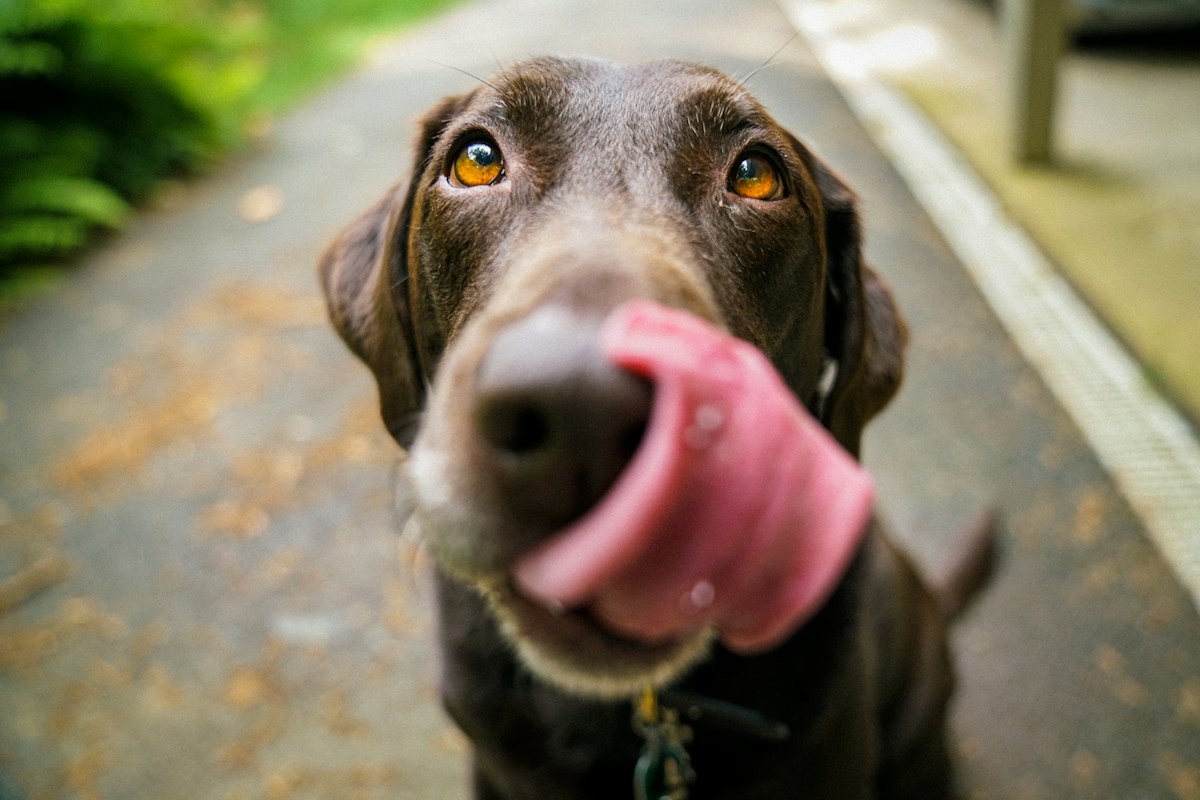
Indoor Supervision Techniques
When your puppy is loose in the house, watch for signs they need the toilet:
- Sniffing the ground in circles
- Whining or restlessness
- Heading towards previously soiled areas
- Squatting or lifting their leg
The moment you notice these signals, immediately take your puppy outside to their designated toilet area.
Crate Training Benefits
Crate training, when done correctly, supports house training efforts. Dogs naturally avoid soiling their sleeping area, making an appropriately sized crate a valuable tool. The crate should be large enough for your puppy to stand, turn around, and lie down comfortably, but not so large they can eliminate in one corner and sleep in another.
Never use the crate as punishment, and ensure your puppy has regular breaks - young puppies cannot hold their bladder for extended periods.
Dealing with Accidents Positively
Accidents will happen during the house training process, and how you respond significantly impacts your puppy's learning. Punishment-based methods are not only ineffective but can create anxiety and slow progress.
The Right Response to Mistakes
If you catch your puppy eliminating indoors:
- Gently interrupt with a calm "no" or clap
- Immediately take them to their outdoor toilet area
- Praise enthusiastically if they finish eliminating outside
- Clean the accident thoroughly with an enzymatic cleaner
If you discover an accident after the fact, simply clean it up without drama. Puppies cannot connect punishment with something they did minutes or hours earlier.
Cleaning Products That Work
UK pet stores stock enzymatic cleaners specifically designed to break down the proteins in urine that attract dogs back to the same spot. Regular household cleaners may mask odours from human noses but won't eliminate the scents that encourage repeat accidents.
Night-Time Training Strategies
Young puppies often cannot make it through the night without toilet breaks. Setting realistic expectations prevents frustration and sets everyone up for success.
Managing Overnight Needs
For puppies under 12 weeks, consider:
- Setting an alarm for one middle-of-night toilet break
- Placing the crate near your bed for easy access
- Using puppy training pads as a backup (though this can slow overall progress)
- Gradually extending the time between night breaks as your puppy matures
Transitioning to Full Nights
Most puppies can sleep through the night by 4-5 months of age, though individual variation is normal. Gradually move night-time toilet breaks later until your puppy can comfortably wait until morning.
Common Challenges and Solutions
Every puppy is unique, and some face specific challenges during house training. Understanding these issues helps you adapt your approach accordingly.
Frequent Accidents Despite Consistency
If accidents continue despite following proper protocols, consider:
- Reviewing your supervision and timing
- Consulting your veterinarian to rule out medical issues
- Evaluating whether your expectations are realistic for your puppy's age
- Seeking guidance from a qualified dog trainer or behaviourist
Regression in House Training
Sometimes puppies who seemed well house-trained suddenly start having accidents. Common causes include:
- Changes in routine or environment
- Medical issues like urinary tract infections
- Stress from new situations
- Growth spurts affecting bladder control
Professional Support Options
While many owners successfully house train their puppies independently, professional guidance can accelerate progress and address specific challenges.
When to Seek Professional Help
Consider consulting a qualified dog trainer or behaviourist if:
- Your puppy is over 6 months and still having frequent accidents
- You're struggling with consistency or motivation
- Your puppy shows signs of anxiety around elimination
- Previous attempts at house training have been unsuccessful
| Service Type | Typical Cost Range (2026) | Session Duration | What's Included |
|---|---|---|---|
| Puppy Training Classes | £80-£150 (6-week course) | 1 hour per week | Group socialisation, basic training including house training |
| Private Consultation | £65-£120 per session | 1-2 hours | Personalised house training plan, problem-solving |
| Puppy Package | £200-£400 | Multiple sessions | Comprehensive puppy training including house training support |
| Follow-up Sessions | £45-£80 per session | 45-60 minutes | Progress review and plan adjustments |
Questions to Ask Before Hiring a Dog Trainer
When seeking professional help with house training, ensure you choose a qualified trainer who uses positive methods:
- What qualifications and certifications do you hold with recognised organisations (APDT, IMDT, CCPDT)?
- Do you use positive reinforcement methods, and what is your stance on punishment-based techniques?
- How much experience do you have specifically with puppy house training challenges?
- Can you provide references from other puppy owners you've helped?
- What does your training program include, and how do you measure progress?
- How do you handle setbacks or slower progress during house training?
- Do you offer ongoing support between formal sessions?
- Are you insured and DBS checked for working in clients' homes?
Advanced House Training Considerations
As your puppy progresses, you can refine their house training skills and address specific situations that may arise.
Weather and Seasonal Challenges
British weather presents unique challenges for house training. During heavy rain, snow, or extreme cold, some puppies become reluctant to go outside. Gradually accustom your puppy to various weather conditions, and consider covered areas or brief outdoor sessions during severe weather.
Multi-Dog Households
If you have other dogs, they can positively influence house training by modelling appropriate behaviour. However, ensure each puppy receives individual attention and doesn't simply follow other dogs without learning proper toilet habits themselves.
Urban vs Rural Considerations
City puppies may need to navigate stairs, lifts, or busy streets to reach suitable toilet areas. Rural puppies might have more space but could face distractions like wildlife or livestock. Adapt your training approach to your specific environment whilst maintaining core principles.
Frequently Asked Questions
How long does puppy toilet training typically take in the UK?
Most puppies achieve reliable house training between 4-6 months of age, though some may take longer. Smaller breeds often take longer to house train than larger breeds due to their smaller bladders and faster metabolisms. Consistency in your approach significantly impacts the timeline.
Should I use puppy training pads during house training?
Training pads can be helpful for very young puppies or apartment dwellers, but they may slow the overall house training process by teaching puppies it's acceptable to eliminate indoors. If you use pads, gradually move them closer to the door and eventually outside to transition to outdoor elimination.
What should I do if my puppy has frequent accidents despite consistent training?
First, ensure your expectations are realistic for your puppy's age and development. If accidents persist despite proper training methods, consult your veterinarian to rule out medical issues like urinary tract infections. You may also benefit from working with a qualified dog trainer to review your technique.
Is it normal for puppies to have setbacks during house training?
Yes, setbacks are completely normal and common during house training. Changes in routine, growth spurts, new environments, or minor illnesses can all cause temporary regression. Maintain consistency in your approach and avoid punishment, as this will only slow progress further.
How do I house train a puppy while working full-time?
Working full-time presents additional challenges but isn't impossible. Consider doggy daycare, a professional dog walker for midday breaks, or recruiting family members to help with the routine. Crate training becomes especially important to prevent accidents when you cannot supervise directly.
At what age can I expect my puppy to signal when they need to go outside?
Most puppies begin showing clear signals they need the toilet between 12-16 weeks of age. These might include going to the door, whining, or bringing you their lead. Encourage these behaviours by responding immediately and praising enthusiastically when they communicate their needs effectively.
House training your puppy requires patience, consistency, and understanding of your individual dog's needs. By following positive reinforcement methods and maintaining realistic expectations, you'll build a strong foundation for a lifetime of good toilet habits. Remember that every puppy learns at their own pace, and setbacks are a normal part of the process.
Find a Dog Trainer Near You →
Search our free UK directory to find qualified, accredited dog trainers and behaviourists across the UK. Compare local professionals, read reviews and find the right trainer for your dog today.
Comments(0)