Puppy Not Sleeping UK 2026
Struggling with a puppy not sleeping through the night? Our expert UK guide covers proven strategies to help your puppy sleep better.
Sarah

Puppy Not Sleeping UK 2026: A Complete Guide to Better Rest
If you're dealing with a puppy not sleeping through the night, you're certainly not alone. Sleep disruption is one of the most common challenges facing new puppy owners across the UK, and it can leave the entire household feeling exhausted and overwhelmed. Understanding why your puppy isn't sleeping and implementing proven strategies can transform those restless nights into peaceful ones for everyone.
Sleep is crucial for your puppy's development, affecting everything from their immune system to their ability to learn and retain training. When puppies don't get adequate rest, it can impact their behaviour, making them more prone to excessive barking, destructive chewing, and difficulty concentrating during training sessions. The good news is that most sleep issues can be resolved with patience, consistency, and the right approach.
Understanding Puppy Sleep Patterns
Young puppies naturally have different sleep patterns compared to adult dogs. Newborn puppies sleep approximately 18-20 hours per day, but this sleep comes in short bursts rather than long, uninterrupted periods. As they grow, puppies gradually develop more mature sleep cycles, but this process takes time.
Puppies typically don't develop the ability to sleep through the night until they're around 12-16 weeks old. Before this age, their small bladders mean they need toilet breaks every few hours, and their developing nervous systems aren't yet capable of maintaining deep sleep for extended periods. Understanding this natural developmental timeline can help set realistic expectations for both you and your puppy.
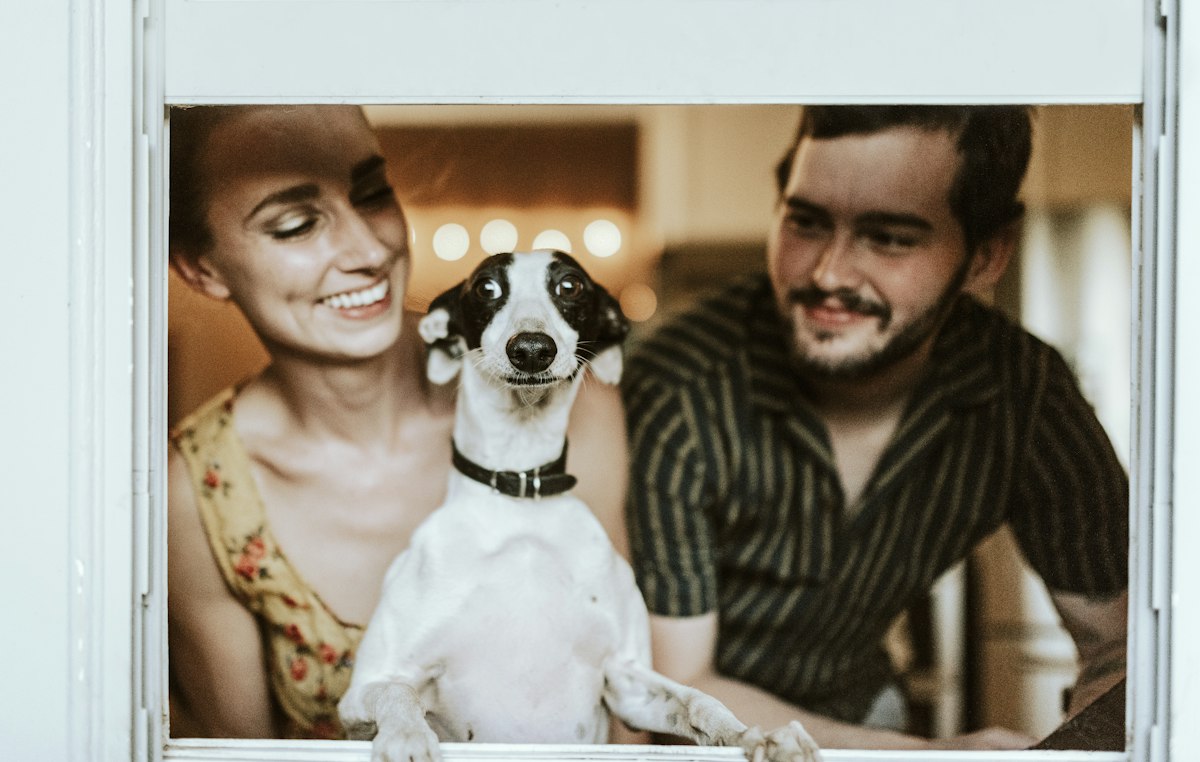
Creating a comfortable sleeping environment is essential for helping your puppy develop healthy sleep habits
Common Reasons Why Puppies Won't Sleep
Physical Needs
The most common reason puppies wake during the night is the need for a toilet break. Young puppies simply cannot hold their bladder for more than a few hours, especially overnight. Additionally, hunger can disrupt sleep, particularly in very young or small breed puppies who may need more frequent feeding.
Anxiety and Stress
Separation anxiety is incredibly common in puppies, especially during their first few weeks in a new home. Being alone in a crate or separate room can trigger anxiety, leading to whining, crying, and restless behaviour. This is particularly challenging for puppies who have just been separated from their littermates and mother.
Environmental Factors
Temperature, noise levels, and lighting can all significantly impact your puppy's sleep quality. Puppies are sensitive to their environment and may struggle to settle if conditions aren't optimal. Too warm or too cold temperatures, household noises, or excessive light can all contribute to sleep disruption.
Overstimulation
Puppies who have had too much excitement or activity before bedtime often struggle to wind down and fall asleep. Their developing nervous systems can become overstimulated, making it difficult for them to transition into a calm, sleepy state.
Medical Issues
Occasionally, sleep problems may indicate underlying health issues such as urinary tract infections, digestive problems, or pain. If sleep issues persist despite implementing good sleep hygiene practices, it's worth consulting your veterinarian to rule out any medical causes.
Creating the Perfect Sleep Environment
Establishing an optimal sleep environment is fundamental to helping your puppy develop healthy sleep patterns. Your puppy's sleeping area should be quiet, comfortable, and secure, providing them with a sense of safety and routine.
Consider using a crate that's appropriately sized – large enough for your puppy to stand, turn around, and lie down comfortably, but not so large that they can eliminate in one corner and sleep in another. Many puppies find crates comforting as they mimic the den-like environment they would naturally seek.
The temperature should be comfortable – not too warm or too cold. Puppies can't regulate their body temperature as effectively as adult dogs, so providing appropriate bedding and ensuring the room temperature is suitable is important. A comfortable temperature range is typically between 18-21°C.
Minimise noise and distractions in the sleeping area. While you don't need complete silence, reducing sudden loud noises or household activity near your puppy's sleeping space can help promote better rest. Some puppies benefit from gentle background noise such as soft music or white noise to mask household sounds.
Establishing a Bedtime Routine
Consistency is key when it comes to helping your puppy develop healthy sleep habits. Creating a predictable bedtime routine signals to your puppy that it's time to wind down and prepare for sleep. This routine should begin at least 30 minutes before you want your puppy to settle for the night.
Start by reducing stimulation and excitement in the evening. Avoid vigorous play or training sessions close to bedtime, as these can leave your puppy feeling energised rather than sleepy. Instead, focus on calm, quiet activities that help your puppy relax.
Include a final toilet break in your routine, giving your puppy ample opportunity to empty their bladder and bowels before settling for the night. This reduces the likelihood of being woken by urgent toilet needs in the early hours.
Consider incorporating gentle, calming activities into your routine such as gentle brushing, quiet cuddles, or simply sitting peacefully together. These activities help strengthen your bond while encouraging your puppy to relax and prepare for sleep.
Night-Time Training Strategies
When your puppy does wake during the night, it's important to respond appropriately to avoid inadvertently reinforcing unwanted behaviour while still meeting their genuine needs. The key is learning to distinguish between genuine needs and attention-seeking behaviour.
If your puppy wakes and appears distressed, first consider whether they might need a toilet break. Puppies under 16 weeks typically cannot hold their bladder all night, so a quiet, businesslike trip outside may be necessary. Keep these outings boring and brief – no playing or extended interaction that might teach your puppy that night-time wake-ups lead to fun activities.
For puppies who seem to be crying for attention rather than expressing genuine needs, it's important not to immediately respond with attention, as this can reinforce the behaviour. Instead, wait for a brief pause in the crying before approaching, and keep any interaction minimal and calm.

Understanding when your puppy genuinely needs attention versus when they're seeking comfort is crucial for successful sleep training
Exercise and Mental Stimulation
Adequate physical exercise and mental stimulation during the day play a crucial role in helping your puppy sleep well at night. However, the timing and type of activities are important considerations.
Ensure your puppy gets appropriate exercise for their age and breed. Young puppies don't need extensive physical exercise – in fact, too much can be harmful to their developing joints. A general guideline is approximately five minutes of exercise per month of age, twice daily. This might include short walks, supervised play in the garden, or gentle games indoors.
Mental stimulation is equally important and can be more tiring for puppies than physical exercise. Puzzle toys, training sessions, and new experiences all provide mental enrichment that can help tire your puppy's mind. Schedule these activities earlier in the day rather than close to bedtime.
Avoid intense exercise or exciting activities in the two hours before bedtime. Instead, focus on calm activities that help your puppy wind down and prepare for sleep.
When to Seek Professional Help
While most puppy sleep issues resolve with time and consistent management, there are situations where professional help may be beneficial. Consider consulting a qualified dog trainer or behaviourist if sleep problems persist beyond the typical adjustment period or if they're severely impacting your household.
The Association of Pet Dog Trainers (APDT) and the Institute of Modern Dog Trainers (IMDT) maintain directories of qualified professionals who use positive, force-free training methods. These professionals can help assess your specific situation and provide tailored strategies for addressing sleep issues.
Veterinary consultation is also important if you suspect underlying health issues may be contributing to sleep problems. Signs that might indicate medical concerns include changes in appetite, lethargy during the day, signs of pain or discomfort, or sudden changes in previously established sleep patterns.
Professional Training Costs in the UK (2026)
| Service Type | Price Range | What's Included |
|---|---|---|
| Initial Puppy Consultation | £80-£150 | 1-2 hour assessment, basic sleep advice |
| Puppy Training Course (6 weeks) | £120-£200 | Group classes, socialisation, basic commands |
| Private 1:1 Puppy Training | £60-£100/hour | Personalised training, sleep routine planning |
| Intensive Puppy Package | £300-£500 | Multiple sessions, ongoing support |
| Behavioural Consultation | £100-£200 | Specialist assessment for persistent issues |
| Online Puppy Training Course | £30-£80 | Video modules, email support |
Prices vary significantly based on location, trainer experience, and specific services included. London and major cities typically command higher rates.
Questions to Ask When Choosing a Sleep Training Professional
When seeking professional help for your puppy's sleep issues, it's important to choose a qualified trainer who uses modern, science-based methods. Here are key questions to ask potential trainers:
- What qualifications and accreditations do you hold? (Look for APDT, IMDT, or similar)
- Do you use positive, force-free training methods exclusively?
- How much experience do you have specifically with puppy sleep issues?
- Can you provide references from recent clients with similar problems?
- What does your training approach involve, and how long do results typically take?
- Do you offer ongoing support after initial sessions?
- Are you insured and DBS checked?
- What happens if the initial approach doesn't work for our puppy?
- Do you work collaboratively with veterinarians when needed?
- Can you explain your methodology and why you use these particular techniques?
Managing Your Own Sleep During the Transition
While focusing on your puppy's sleep needs, it's important to acknowledge that this transition period can be exhausting for owners too. Getting adequate rest yourself is crucial for maintaining patience and consistency in your training approach.
Consider taking turns with family members for night-time puppy duties if possible. This allows each person to get some uninterrupted sleep while ensuring your puppy's needs are met. If you're managing alone, try to rest when your puppy naps during the day to help compensate for disrupted night sleep.
Remember that this phase is temporary. Most puppies develop more mature sleep patterns by 4-6 months of age, and the intense sleep disruption typically improves significantly within the first few weeks of consistent routine implementation.
Long-term Sleep Health
Establishing good sleep habits early in your puppy's life sets the foundation for healthy sleep patterns throughout their adult years. Dogs who learn to settle calmly and sleep through the night as puppies typically maintain these skills as they mature.
Continue to maintain consistent routines even as your puppy grows. While you may be able to extend the time between toilet breaks and adjust bedtimes as they mature, the fundamental principles of good sleep hygiene remain important throughout your dog's life.
Monitor your growing puppy for any changes in sleep patterns that might indicate health issues or stress. Sudden changes in established sleep routines can sometimes be early indicators of physical or emotional concerns that may need attention.
Frequently Asked Questions
How long should I expect my puppy to take to sleep through the night? Most puppies begin sleeping through the night consistently between 12-16 weeks of age, though this varies by individual and breed. Smaller breeds may take slightly longer due to their faster metabolisms and smaller bladders. With consistent routines and appropriate management, you should see gradual improvement within 2-4 weeks of bringing your puppy home.
Is it okay to let my puppy sleep in my bed? This is a personal choice that depends on your long-term preferences and your puppy's size when fully grown. If you're happy for your adult dog to share your bed, starting as a puppy can work well. However, if you prefer your dog to sleep separately, it's easier to establish this boundary from the beginning rather than trying to change the habit later.
Should I wake my puppy for toilet breaks during the night? Generally, it's better to let sleeping puppies lie and only take them out if they wake naturally and seem to need the toilet. However, very young puppies (under 10 weeks) or those who have had accidents may benefit from one scheduled toilet break during the night to prevent accidents and maintain house training progress.
My puppy sleeps all day but is awake all night – what should I do? This suggests your puppy's sleep schedule needs adjusting. Ensure they're getting adequate stimulation and activity during the day, and avoid letting them sleep for very long periods during the day. Gradually encourage more activity and wakefulness during daylight hours while maintaining a consistent bedtime routine.
When should I be concerned about my puppy's sleep patterns? Contact your veterinarian if your puppy shows signs of excessive lethargy, difficulty breathing while sleeping, frequent waking due to apparent discomfort, or sudden changes in established sleep patterns. Additionally, if sleep issues persist beyond 6 months of age or are getting worse rather than better, professional help may be needed.
Can I use sleep aids or supplements for my puppy? Never give your puppy any sleep aids, supplements, or medications without veterinary guidance. Some natural calming aids may be appropriate for older puppies, but these should only be used under professional supervision. Focus on environmental management and routine establishment as your first approaches to sleep issues.
Helping your puppy develop healthy sleep habits requires patience, consistency, and understanding of their natural developmental needs. With the right approach and realistic expectations, most sleep issues resolve within a few weeks, leading to better rest for both you and your puppy. Remember that every puppy is individual, and what works for one may need adjusting for another.
Find a Dog Trainer Near You →
Search our free UK directory to find qualified, accredited dog trainers and behaviourists across the UK. Compare local professionals, read reviews and find the right trainer for your dog today.
Comments(0)