Puppy Development Stages UK 2026
Expert guide to puppy development stages in the UK. Learn critical periods, training timing & costs to raise a well-balanced dog.
Sarah

Puppy Development Stages UK 2026: A Complete Guide for New Owners
Understanding puppy development stages is crucial for any new dog owner in the UK. Just as human children go through predictable developmental milestones, puppies experience distinct phases that shape their behaviour, learning capacity, and social skills throughout their lives. Recognising these stages helps you provide appropriate care, training, and socialisation at the right times, setting your puppy up for success as a well-adjusted adult dog.
The journey from newborn to adult dog is fascinating and complex. Each stage brings unique challenges and opportunities, from the vulnerable neonatal period through to the exuberant adolescent phase. By understanding what to expect and when, you'll be better equipped to support your puppy's healthy development and address any concerns that arise along the way.
The Neonatal Period (0-2 Weeks)
During the first two weeks of life, puppies are completely dependent on their mother. Born with their eyes and ears sealed shut, they rely entirely on touch, smell, and warmth to navigate their tiny world. This period is characterised by basic survival needs – feeding, sleeping, and staying warm.
Puppies spend approximately 90% of their time sleeping during this stage, which is essential for proper neurological development. They cannot regulate their own body temperature, urinate, or defecate without their mother's assistance through licking stimulation.
For breeders, this period requires careful monitoring to ensure all puppies are gaining weight appropriately and receiving adequate nutrition. Intervention may be necessary if a puppy fails to thrive or if the mother is unable to care for her litter properly.
The Transitional Period (2-4 Weeks)
The transitional period marks significant physical and sensory development. Puppies' eyes begin to open around day 10-14, though their vision remains blurry for several more days. Their ear canals open around day 13-17, introducing them to the world of sound.
During this stage, puppies begin to stand and take their first wobbly steps. They start to show interest in their surroundings and may attempt to play with littermates. Their first baby teeth begin to emerge, preparing them for the weaning process that will begin in the coming weeks.
This period also sees the beginning of voluntary urination and defecation, as puppies gain control over their bodily functions. They become more aware of their littermates and may engage in simple social interactions.
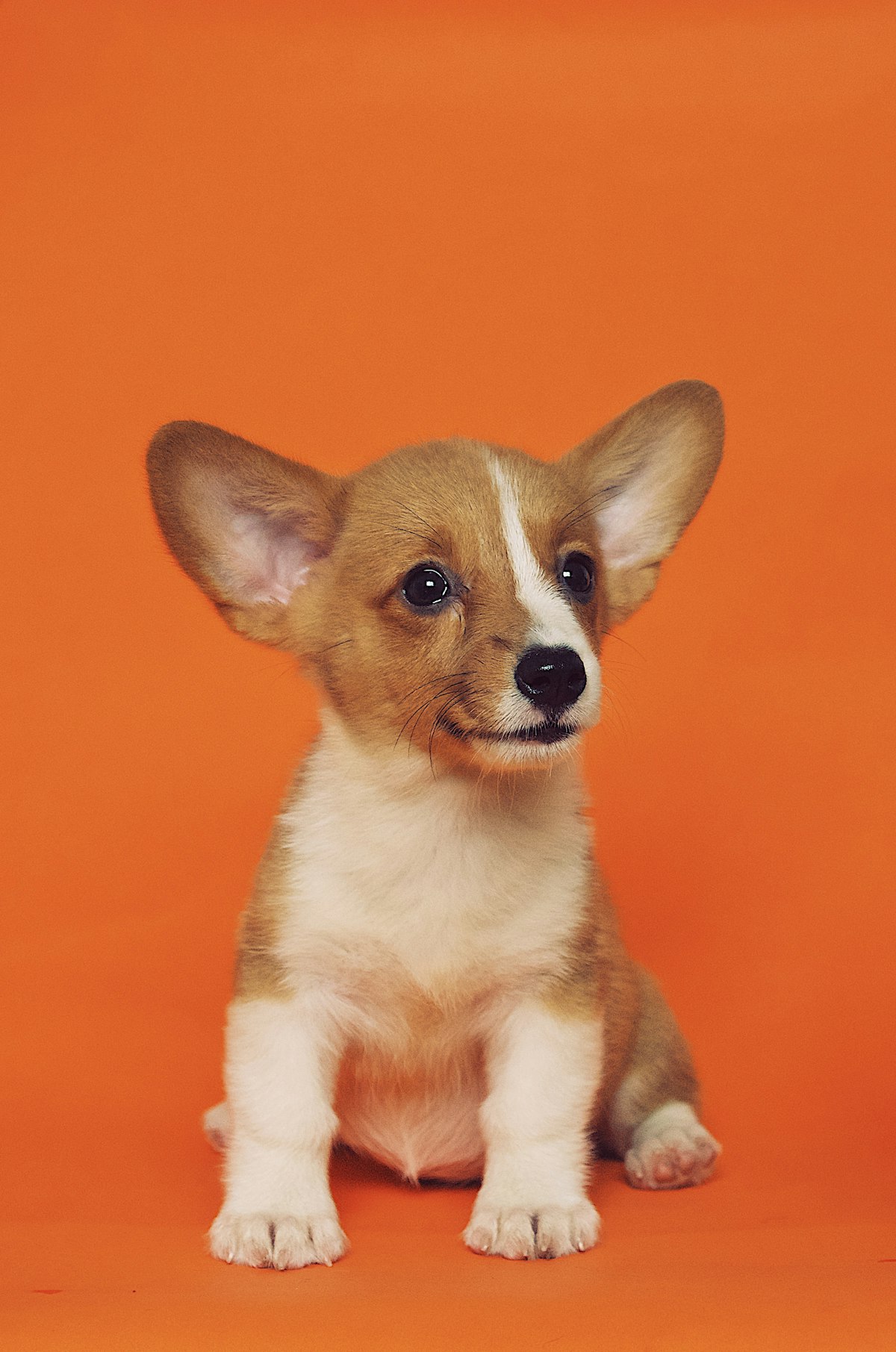
The Primary Socialisation Period (3-14 Weeks)
The primary socialisation period is arguably the most critical stage in a puppy's development. This window of opportunity, recognised by canine behaviour experts and organisations such as the Association of Pet Dog Trainers (APDT), is when puppies are most receptive to new experiences and form lasting impressions about their environment.
Early Socialisation (3-7 Weeks)
Between three and seven weeks, puppies learn crucial social skills from their mother and littermates. They discover bite inhibition through play fighting, understand basic canine communication signals, and develop emotional regulation. Mother dogs begin teaching important lessons about appropriate behaviour and boundaries.
This period sees rapid physical development, with puppies becoming more coordinated and playful. They begin the weaning process, transitioning from mother's milk to solid food. Their personality traits start to emerge, and individual differences become more apparent.
Peak Socialisation (7-14 Weeks)
The window between seven and fourteen weeks is considered the peak socialisation period. During this time, puppies should be exposed to a wide variety of people, animals, environments, sounds, and experiences in a positive, controlled manner. However, this presents a challenge for UK puppy owners, as most puppies don't complete their vaccination course until around 12-14 weeks of age.
The key is to provide safe socialisation opportunities before full vaccination. This might include:
- Carrying your puppy to different locations to observe new sights and sounds
- Inviting fully vaccinated, well-behaved dogs to your home
- Introducing your puppy to different types of people (children, elderly, people wearing hats or uniforms)
- Playing recordings of various sounds at low volumes
- Supervised visits to friends' gardens with vaccinated dogs
Many UK veterinarians now recommend early, safe socialisation despite incomplete vaccination, recognising that behavioural problems caused by poor socialisation often outweigh the risks of disease in most areas.
The Juvenile Period (14 Weeks - 6 Months)
Once vaccination is complete, the juvenile period offers exciting opportunities for exploration and learning. Puppies during this stage are typically confident, curious, and eager to learn. This is an ideal time to begin formal training classes and continue expanding their social experiences.
Physical development continues rapidly, with puppies losing their baby teeth and growing their adult set. Energy levels are high, and attention spans, while still short, are increasing. This makes it an excellent time for short, positive training sessions focusing on basic commands and life skills.
During the juvenile period, puppies benefit from:
- Puppy training classes with qualified, positive reinforcement trainers
- Regular socialisation with other dogs and people
- Introduction to various environments and experiences
- Consistent daily routines
- Mental stimulation through puzzle toys and training games
UK puppy owners should seek out trainers accredited by organisations such as the Institute of Modern Dog Trainers (IMDT) or the APDT, who use science-based, positive training methods.
The Adolescent Period (6 Months - 2 Years)
Adolescence in dogs, much like in humans, can be challenging. This period is characterised by hormonal changes, increased independence, and sometimes rebellious behaviour. Many UK dog owners find this stage frustrating, as their previously well-behaved puppy may suddenly seem to "forget" their training.
Early Adolescence (6-12 Months)
Sexual maturity begins during early adolescence, typically between six and twelve months depending on the breed. Smaller breeds often mature earlier than larger breeds. This period may bring:
- Increased territorial behaviour
- More selective hearing regarding commands
- Renewed fear periods
- Increased energy and stamina
- Potential aggression towards other dogs
- Marking behaviour in males
Late Adolescence (12-24 Months)
Late adolescence sees continued physical and emotional development. Large and giant breeds may not reach full physical maturity until 18-24 months or even later. During this time, dogs are developing their adult personality and may test boundaries more frequently.
Consistency in training and management becomes crucial during adolescence. Many UK dog owners benefit from refresher training classes or working with a qualified behaviourist to navigate this challenging period successfully.

UK-Specific Considerations for Puppy Development
Understanding puppy development stages in the UK context involves considering several unique factors:
Weather and Seasonal Challenges
UK weather can significantly impact puppy development, particularly during the crucial socialisation period. Winter puppies may have limited outdoor exposure initially, requiring creative indoor socialisation strategies. Conversely, summer puppies must be protected from overheating during their early weeks outdoors.
Urban vs Rural Development
Puppies raised in different UK environments face varying challenges. Urban puppies need extensive exposure to traffic, crowds, and city sounds, while rural puppies may require more socialisation with different types of people and urban environments.
Breed-Specific Considerations
The UK's diverse dog population includes many breeds with specific developmental needs. Working breeds like Border Collies and German Shepherds require extensive mental stimulation from an early age, while toy breeds may need extra protection during their vulnerable early months.
Training Costs During Different Development Stages
Understanding the financial investment required for proper puppy development helps UK owners budget effectively:
| Development Stage | Training Type | Average Cost (2026) | Duration |
|---|---|---|---|
| Primary Socialisation | Puppy Socialisation Classes | £80-120 | 4-6 weeks |
| Juvenile Period | Basic Puppy Training | £150-250 | 6-8 weeks |
| Juvenile/Adolescent | Advanced Training Classes | £200-300 | 8-10 weeks |
| Adolescent Period | Behavioural Consultation | £80-150 | Single session |
| All Stages | Private Training (per hour) | £40-80 | As needed |
| Specialised Training | Reactive Dog Classes | £180-280 | 6-8 weeks |
Prices vary significantly based on location, with London and South East England typically commanding higher fees
Supporting Healthy Development at Each Stage
Environmental Enrichment
Providing appropriate environmental enrichment throughout all developmental stages supports healthy growth and learning. This includes:
- Age-appropriate toys that challenge without overwhelming
- Safe spaces for rest and recovery
- Opportunities for natural behaviours like digging, chewing, and exploring
- Varied textures, surfaces, and experiences
Nutrition and Physical Care
Proper nutrition supports optimal brain development during critical early stages. UK puppy owners should work with their veterinarian to ensure appropriate feeding schedules and nutritional balance throughout growth.
Mental Stimulation
Mental exercise is as important as physical exercise, particularly during the juvenile and adolescent periods when learning capacity is high. Puzzle feeders, training games, and novel experiences all contribute to healthy cognitive development.
Checklist: Questions to Ask Before Hiring a Dog Trainer
When selecting a trainer to support your puppy's development, consider these essential questions:
- Are you accredited by recognised UK organisations (APDT, IMDT, or Kennel Club Accredited Instructor)?
- What training methods do you use, and do you follow positive reinforcement principles?
- Do you have experience with puppies at different developmental stages?
- Can you provide references from recent clients with puppies?
- What is your approach to socialisation during the critical period?
- How do you handle fearful or anxious puppies?
- Do you offer ongoing support throughout the adolescent period?
- Are your training facilities clean, safe, and appropriate for puppies?
- What is your policy on vaccination requirements for classes?
- Do you provide educational materials for owners to support training at home?
- How do you stay updated on current canine behaviour research and training methods?
- What is your experience with my specific breed or type of dog?
Frequently Asked Questions
When should I start training my puppy?
Training should begin as soon as you bring your puppy home, typically around 8 weeks of age. However, the type of training varies by developmental stage. Early training focuses on house training, basic handling, and gentle socialisation, progressing to more formal obedience training during the juvenile period.
Is it safe to socialise my puppy before full vaccination?
Yes, with precautions. UK veterinary opinion increasingly supports early, safe socialisation. Carry your puppy to new environments, invite vaccinated dogs to your home, and expose them to various sights, sounds, and experiences while avoiding areas where unvaccinated dogs may have been, such as public parks and streets.
My adolescent dog seems to have forgotten all their training. Is this normal?
This is completely normal during the adolescent period. Hormonal changes affect learning and memory, and dogs often test boundaries during this developmental stage. Remain consistent with training, consider refresher classes, and remember that this phase will pass with patience and persistence.
How long does each developmental stage last?
Development stages vary by individual dog and breed size. Generally, smaller breeds develop faster than larger breeds. The critical socialisation period (3-14 weeks) is consistent across breeds, but physical and sexual maturity varies significantly. Giant breeds may not reach full maturity until 2-3 years of age.
What should I do if my puppy shows fear during the socialisation period?
Never force a fearful puppy into situations that frighten them. Instead, create positive associations by maintaining distance from the scary stimulus while providing treats and praise. Gradual exposure at the puppy's pace, combined with positive experiences, helps build confidence. Consider working with a qualified behaviourist if fears persist.
Are there specific developmental needs for different breeds?
Yes, different breeds have varying developmental needs based on their original purpose. Working breeds require extensive mental stimulation, toy breeds need gentle handling and may develop fears more easily, and sight hounds have different exercise requirements during growth. Research your specific breed's needs and discuss them with your trainer or veterinarian.
Understanding puppy development stages enables UK dog owners to provide appropriate care, training, and socialisation at crucial times in their dog's life. Each stage presents unique opportunities and challenges that, when properly navigated, contribute to raising a well-balanced, confident adult dog.
Find a Dog Trainer Near You →
Search our free UK directory to find qualified, accredited dog trainers and behaviourists across the UK. Compare local professionals, read reviews and find the right trainer for your dog today.
Comments(0)