Puppy Biting Training UK 2026
Expert puppy biting training guide for UK dog owners. Learn proven positive methods to stop puppy biting behaviour effectively in 2026.
Sarah

Puppy Biting Training UK 2026: Complete Guide to Stop Puppy Biting
Puppy biting is one of the most common challenges new dog owners face across the UK. Those sharp little teeth can turn cuddle time into a painful experience, leaving many wondering if their adorable pup is destined to become aggressive. The good news is that puppy biting is completely normal behaviour that can be effectively addressed with proper training techniques.
Understanding why puppies bite and implementing the right training methods will help you raise a well-mannered dog who knows when and how to use their mouth appropriately. This comprehensive guide covers everything UK dog owners need to know about puppy biting training in 2026.
Understanding Why Puppies Bite
Natural Development and Exploration
Puppies use their mouths to explore the world around them, much like human babies use their hands. Between 3-6 months old, puppies are also teething, which makes them naturally inclined to chew and bite to relieve discomfort. This is completely normal behaviour that serves several important developmental purposes.
During play with littermates and their mother, puppies learn bite inhibition - the ability to control the force of their bite. When a puppy bites too hard during play, their sibling will yelp and stop playing, teaching the biting puppy that hard bites end the fun. This natural learning process is crucial for developing appropriate bite pressure.
Attention-Seeking Behaviour
Many puppies quickly learn that biting gets them immediate attention from their humans. Even negative attention, such as shouting "no" or pushing the puppy away, can reinforce the behaviour if the puppy was seeking interaction. This is particularly common in busy households where puppies may feel they need to compete for attention.
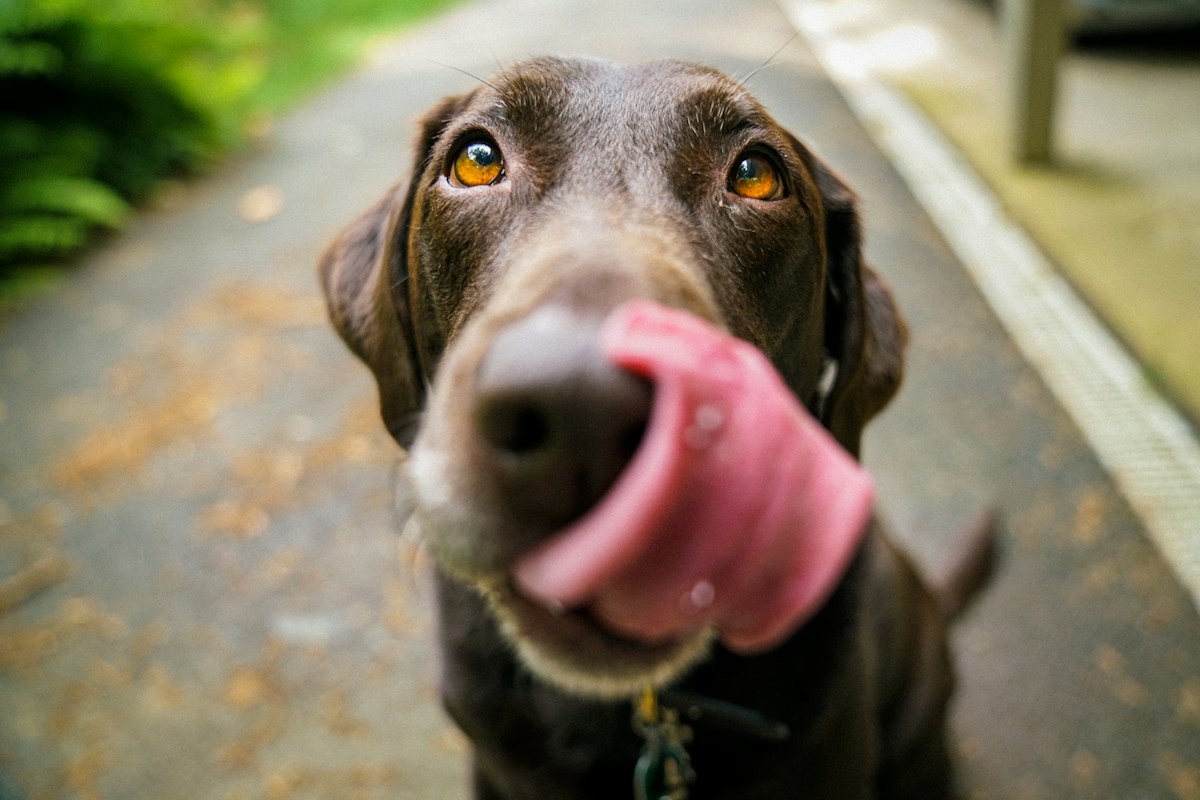
Overstimulation and Excitement
Puppies often resort to biting when they become overstimulated or overly excited. This commonly occurs during play sessions, when greeting new people, or during high-energy activities. Young dogs haven't yet learned how to regulate their emotions effectively, making biting their go-to response when feelings become overwhelming.
Effective Puppy Biting Training Techniques
Redirect and Replace Method
The most effective approach to stopping puppy biting involves redirecting the behaviour rather than simply trying to suppress it. When your puppy attempts to bite hands, clothes, or inappropriate items, immediately redirect them to an appropriate chew toy or rope toy.
Keep a variety of toys readily available throughout your home, ensuring you can quickly redirect biting behaviour whenever it occurs. Praise enthusiastically when your puppy chooses the appropriate item, reinforcing the correct behaviour with positive attention.
Teaching Bite Inhibition
Since your puppy missed out on some natural bite inhibition learning when separated from their littermates, you'll need to continue this education. When your puppy bites during play, let out a high-pitched yelp (similar to what a littermate would do) and immediately stop all interaction for 30-60 seconds.
This technique teaches your puppy that biting results in the immediate end of fun activities. Consistency is crucial - every family member must respond the same way every time to avoid confusing your puppy.
The Time-Out Method
For persistent biting behaviour, implement brief time-outs in a boring, safe space such as a puppy-proofed bathroom or behind a baby gate. The moment your puppy bites, calmly say "time out" and remove them from the situation for 1-2 minutes. This isn't punishment but rather a consequence that helps puppies understand that biting ends social interaction.
Providing Adequate Mental Stimulation
Many biting problems stem from boredom or excess energy. Ensure your puppy receives appropriate mental stimulation through puzzle toys, training sessions, and structured activities. A tired puppy is generally a well-behaved puppy.
Age-Appropriate Training Expectations
8-12 Weeks Old
At this age, puppies are just learning about the world and have very little impulse control. Focus on gentle redirection and providing appropriate chew toys. Avoid any harsh corrections, as puppies this young are still developing confidence and trust.
Begin basic bite inhibition training using the yelp method, but keep sessions very short and positive. Remember that accidents will happen frequently at this stage - patience is essential.
3-6 Months Old
This is the peak teething period, so increased biting behaviour is normal. Maintain consistency with redirection techniques while providing plenty of appropriate chewing outlets. Frozen carrots, appropriate chew toys, and puzzle feeders can help relieve teething discomfort.
Your puppy should start showing improvement in bite inhibition during this period, though consistency will still be developing. Continue with positive reinforcement methods and avoid any punishment-based techniques.
6+ months Old
By this age, most puppies should have significantly better control over their biting behaviour. If problems persist beyond 6-7 months, consider consulting a qualified dog trainer or behaviourist, as this may indicate the need for more specialised intervention.

Professional Puppy Training Costs in the UK
Investing in professional puppy training can significantly accelerate your progress with biting issues. Here are typical costs across the UK for 2026:
| Service Type | Duration | Average Cost (England) | Average Cost (Scotland/Wales) | Average Cost (Northern Ireland) |
|---|---|---|---|---|
| One-to-One Session | 1 hour | £45-£85 | £35-£65 | £30-£60 |
| Puppy Classes (Group) | 6 weeks | £85-£150 | £65-£120 | £60-£110 |
| Intensive Training Package | 4 sessions | £180-£320 | £140-£260 | £120-£240 |
| Behavioural Consultation | 90 minutes | £75-£125 | £55-£95 | £50-£85 |
| Online Training Course | 8 weeks access | £35-£75 | £35-£75 | £35-£75 |
Prices vary based on trainer qualifications, location, and specific requirements
Common Mistakes to Avoid
Physical Punishment
Never hit, alpha roll, or use any form of physical punishment to address puppy biting. These methods can increase fear and aggression whilst damaging the trust between you and your puppy. The Association of Pet Dog Trainers UK (APDT) strongly advises against all punishment-based training methods.
Rough Play Encouragement
Avoid games that encourage biting, such as wrestling with your hands or allowing your puppy to chase and bite feet or clothing. These activities teach puppies that human body parts are appropriate targets for their teeth.
Inconsistent Responses
Mixed messages confuse puppies and slow progress. Ensure all family members respond to biting behaviour in exactly the same way every single time. Inconsistency will significantly prolong the training process.
Ignoring Context
Pay attention to when biting occurs most frequently. Common triggers include tiredness, hunger, overstimulation, or need for toileting. Addressing these underlying needs often reduces biting behaviour naturally.
When to Seek Professional Help
Persistent Aggressive Behaviour
If your puppy's biting seems driven by genuine aggression rather than play or exploration, consult a qualified behaviourist immediately. Warning signs include stiff body posture, prolonged staring, growling, or biting that breaks skin repeatedly.
Lack of Progress
Most puppies show significant improvement within 2-4 weeks of consistent training. If you've been working diligently with positive methods for over a month without seeing progress, professional guidance can help identify what might be missing from your approach.
Family Stress
When puppy biting is causing significant stress or conflict within your household, a professional trainer can provide targeted strategies and support. Don't wait until the situation becomes overwhelming - early intervention is more effective.
Questions to Ask Before Hiring a Dog Trainer
- What qualifications and certifications do you hold from recognised UK organisations?
- Do you use positive, force-free training methods exclusively?
- Can you provide references from recent puppy biting cases you've worked with?
- What is your typical timeline for seeing improvement in puppy biting behaviour?
- Do you offer follow-up support if issues arise after initial training?
- Are you insured and can you provide proof of professional indemnity insurance?
- How do you stay current with modern dog training research and techniques?
- What happens if my puppy doesn't respond well to your initial approach?
- Do you provide written training plans and progress tracking?
- Are you a member of professional organisations like APDT, IMDT, or similar bodies?
Supporting Your Puppy's Success
Creating a Structured Environment
Establish clear routines for feeding, exercise, training, and rest. Puppies thrive on predictability, and structure helps reduce anxiety-driven behaviours including excessive biting.
Ensure your puppy has a quiet, comfortable space where they can retreat when feeling overwhelmed. This prevents overstimulation that often leads to increased biting behaviour.
Socialisation Considerations
Proper socialisation with other well-behaved dogs helps reinforce bite inhibition lessons learned from littermates. However, ensure all interactions are positive and supervised, particularly during the critical socialisation period (up to 16 weeks).
Puppy classes run by qualified trainers provide excellent opportunities for appropriate social interaction whilst addressing common issues like biting under professional guidance.
Long-term Success Strategies
Remember that puppy biting training is not a quick fix but rather an ongoing process that requires patience and consistency. Most puppies don't fully mature until 18-24 months old, so some degree of management and training will continue throughout their first year.
Focus on building a strong, trusting relationship with your puppy through positive training methods. This foundation will serve you well throughout your dog's life and make addressing any future behavioural challenges much easier.
Frequently Asked Questions
How long does it typically take to stop a puppy from biting?
With consistent positive training methods, most puppies show significant improvement within 2-4 weeks. However, complete elimination of inappropriate biting behaviour usually takes 2-3 months, coinciding with the end of the teething period. Every puppy is different, and some may require longer depending on their individual temperament and previous experiences.
Is it normal for my 4-month-old puppy to still be biting frequently?
Yes, this is completely normal. Four months old is peak teething time, so increased biting behaviour is expected. Continue with consistent redirection and positive training methods. If you're not seeing any improvement in bite inhibition (gentler bites) or frequency by 6 months, consider consulting a professional trainer.
Should I be worried if my puppy draws blood when biting?
Puppies have very sharp teeth, so occasional minor scratches are normal during the training process. However, if your puppy frequently breaks skin or seems to be biting with genuine aggression (stiff body, growling, prolonged staring), consult a qualified dog behaviourist immediately. This could indicate resource guarding, fear-based aggression, or other serious behavioural concerns.
Can I use bitter apple spray to stop puppy biting?
Bitter apple spray can be useful for protecting furniture and inappropriate chew items, but it's not recommended for hands or skin. The goal is to teach your puppy what they should chew rather than just what they shouldn't. Focus on positive redirection to appropriate toys rather than deterrent sprays for body parts.
My puppy only bites certain family members - why is this happening?
Puppies often bite people who engage in more physical play, have higher energy interactions, or respond inconsistently to biting behaviour. Children are frequently targeted because their movements and voices can be more stimulating to puppies. Ensure all family members use identical training approaches and avoid overstimulating interactions.
When should I start formal puppy training classes?
Puppy classes can begin as early as 8-10 weeks old, provided your puppy has had their first vaccinations. Many veterinarians now recommend early socialisation classes for puppies who haven't completed their full vaccination series, as the behavioural benefits outweigh the minimal disease risk. Early intervention is particularly valuable for addressing biting behaviours before they become entrenched habits.
Professional puppy biting training combined with consistent home practice creates the foundation for a well-mannered adult dog. With patience, positive methods, and sometimes professional guidance, every puppy can learn appropriate mouth manners that will serve them throughout their lives.
Find a Dog Trainer Near You →
Search our free UK directory to find qualified, accredited dog trainers and behaviourists across the UK. Compare local professionals, read reviews and find the right trainer for your dog today.
Comments(0)