Nervous Dog Training UK 2026
Complete guide to nervous dog training in the UK. Find qualified trainers, costs, and proven methods to help anxious dogs build confidence.
Sarah

Nervous Dog Training UK 2026: A Complete Guide to Helping Anxious Dogs
Living with a nervous dog can be both heartbreaking and challenging. Whether your canine companion trembles at loud noises, hides from strangers, or exhibits anxious behaviours in certain situations, finding the right support is crucial for their wellbeing. This comprehensive guide explores nervous dog training approaches available across the UK in 2026, helping you understand your dog's needs and find qualified professionals who can make a real difference.
Understanding Nervous Behaviour in Dogs
Nervous behaviour in dogs manifests in numerous ways, from subtle signs like lip licking and yawning to more obvious displays such as cowering, excessive panting, or attempting to escape. Unlike aggression, which often stems from fear but presents as offensive behaviour, nervousness typically shows as withdrawal and avoidance.
Common triggers for nervous behaviour include unfamiliar people, loud sounds (fireworks, thunderstorms), new environments, other dogs, and past traumatic experiences. Some dogs are naturally more sensitive due to genetics, whilst others develop anxiety through inadequate socialisation during their critical puppy period or following negative experiences.
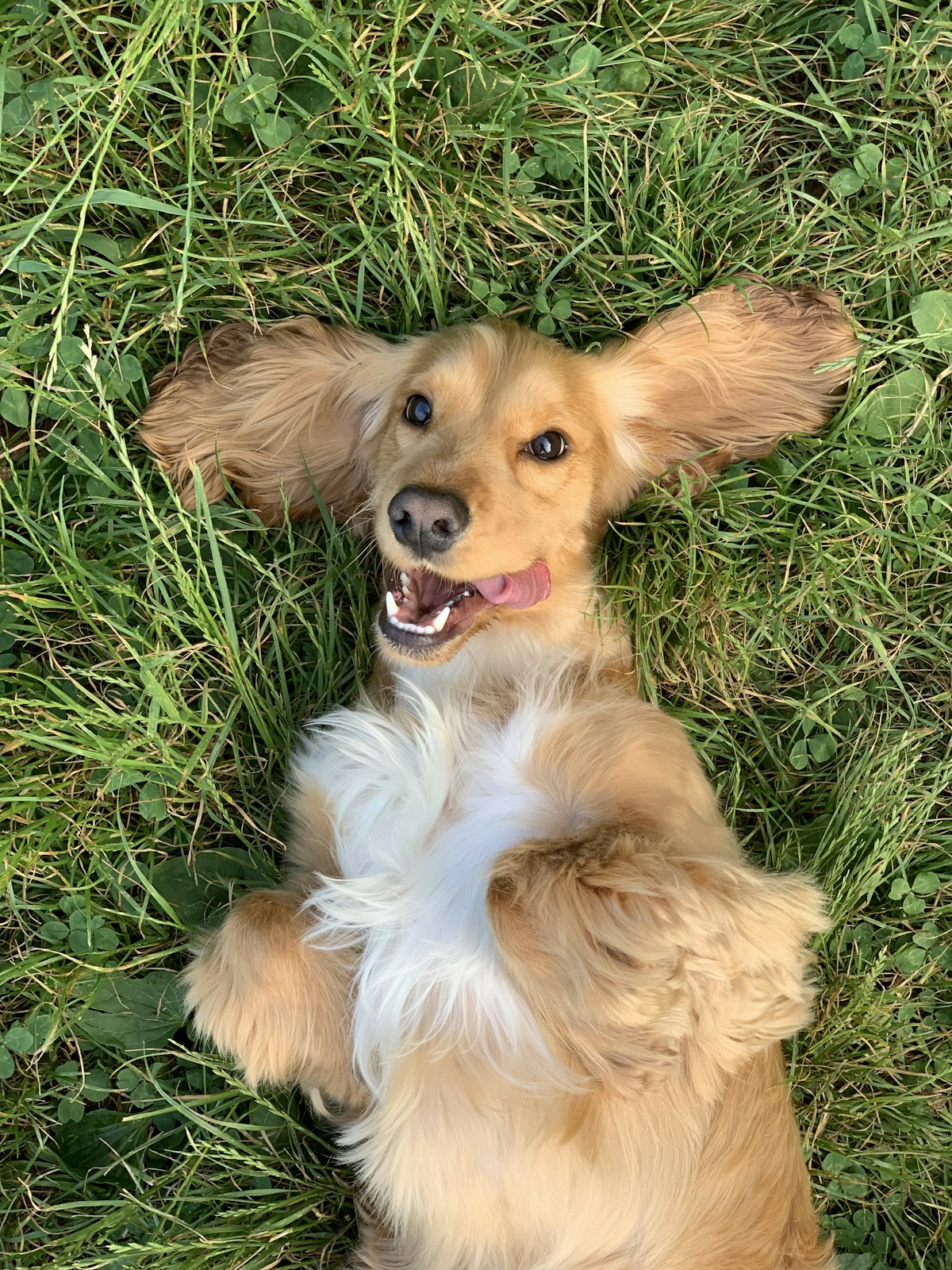
The key to successful nervous dog training lies in understanding that punishment-based methods will only worsen anxiety. Instead, modern, science-based approaches focus on building confidence through positive experiences and gradual exposure to triggers at manageable levels.
Modern Approaches to Nervous Dog Training
Positive Reinforcement Training
Contemporary nervous dog training in the UK emphasises reward-based methods that build positive associations. Rather than forcing anxious dogs to face their fears head-on, qualified trainers use systematic desensitisation and counter-conditioning techniques.
Systematic desensitisation involves gradually exposing dogs to their triggers at such low intensities that they remain below their fear threshold. Meanwhile, counter-conditioning pairs these mild exposures with something wonderful – usually high-value treats or play – creating new, positive associations.
Force-Free Training Philosophy
The Association of Pet Dog Trainers (APDT) and the Institute of Modern Dog Trainers (IMDT) both advocate for force-free training methods, particularly crucial when working with nervous dogs. These approaches recognise that fear-based training techniques can severely damage anxious dogs' mental health and potentially escalate behavioural problems.
Force-free trainers focus on understanding the root causes of nervous behaviour and addressing them through environmental management, confidence-building exercises, and teaching alternative behaviours that help dogs cope with challenging situations.
Behavioural Modification Programmes
For severely nervous dogs, comprehensive behavioural modification programmes may be necessary. These typically involve detailed behaviour assessments, customised training plans, and ongoing support over several months. Many UK trainers now offer these specialised programmes, often working alongside veterinary behaviourists for complex cases.
Types of Nervous Dog Training Available
One-to-One Training Sessions
Private training sessions remain the most popular choice for nervous dog owners. These sessions allow trainers to work directly with individual dogs in controlled environments, tailoring approaches to specific triggers and anxiety levels. Most trainers begin with in-home consultations to observe dogs in familiar surroundings before gradually introducing new environments.
Small Group Classes
Carefully managed small group classes can benefit some nervous dogs by providing controlled socialisation opportunities. However, these require experienced trainers who can monitor stress levels and adjust activities accordingly. The Kennel Club Good Citizen Dog Scheme offers structured classes that many nervous dogs find helpful once they've built initial confidence.
Specialist Confidence-Building Courses
Many UK trainers now offer courses specifically designed for anxious dogs. These typically run over 6-8 weeks and focus on building confidence through success-based learning, environmental enrichment, and gradual exposure to various stimuli in a supportive group setting.
Online Training Support
Digital training resources have expanded significantly, with many UK trainers offering video consultations and customised training plans. While not suitable for all cases, online support can be valuable for owners in remote areas or those needing ongoing guidance between in-person sessions.

Expected Costs for Nervous Dog Training in 2026
The investment in professional nervous dog training varies significantly depending on your location, the trainer's qualifications, and the severity of your dog's anxiety. Here's what you can expect to pay across the UK:
| Service Type | Price Range | Duration | What's Included |
|---|---|---|---|
| Initial Consultation | £80-£150 | 1.5-2 hours | Assessment, behaviour plan, follow-up support |
| One-to-One Sessions | £65-£120 | 1 hour | Individual training, homework exercises |
| 6-Week Confidence Course | £180-£350 | 6 x 1 hour sessions | Group sessions, training materials, ongoing support |
| Intensive Day Training | £300-£600 | 4-6 hours | One-to-one intensive, detailed report |
| Behavioural Modification Programme | £500-£1,200 | 8-12 weeks | Comprehensive plan, regular sessions, phone support |
| Online Consultation | £45-£85 | 45-60 minutes | Video session, written plan, email follow-up |
Remember that investing in quality training early often prevents more serious behavioural issues developing, potentially saving money on veterinary behaviourist fees or medication later.
Finding the Right Trainer for Your Nervous Dog
Essential Qualifications and Memberships
When searching for nervous dog training specialists, look for trainers with recognised qualifications from reputable organisations. The APDT and IMDT both maintain high standards for their members and require ongoing professional development. Many trainers also hold certificates from international organisations such as the Certification Council for Professional Dog Trainers (CCPDT).
The Kennel Club Accredited Instructor scheme provides another quality marker, whilst some trainers hold additional qualifications in canine behaviour from institutions like the Centre of Applied Pet Ethology or the Animal Behaviour Training Council.
Experience with Nervous Dogs
Not all dog trainers have specific experience with anxious or fearful dogs. Look for professionals who advertise specialisation in nervous dog training or reactive dog rehabilitation. Many will showcase case studies or testimonials from owners of previously anxious dogs.
Training Methods and Philosophy
Ensure any trainer you consider uses exclusively positive, force-free methods. Avoid anyone who suggests dominance-based training, alpha rolls, or punishment techniques, as these will worsen nervous behaviour. Reputable trainers should be transparent about their methods and happy to explain their approach.
Questions to Ask Before Hiring a Dog Trainer
Before committing to a nervous dog training programme, use this checklist to evaluate potential trainers:
- Are you a member of the APDT, IMDT, or other recognised professional body?
- What specific qualifications do you hold in dog training and behaviour?
- How much experience do you have working with nervous or anxious dogs?
- Can you provide references from previous clients with nervous dogs?
- What training methods do you use, and can you explain why?
- Do you use any punishment-based techniques or training tools?
- What does your initial assessment process involve?
- How do you measure progress with nervous dogs?
- What ongoing support do you provide between sessions?
- Do you work with veterinary behaviourists for complex cases?
- What happens if my dog doesn't respond to the training programme?
- Can you provide a written training plan and regular progress reports?
Supporting Your Nervous Dog at Home
Professional training forms just one part of helping nervous dogs. Creating a supportive home environment plays an equally crucial role in their recovery.
Environmental Management
Reducing exposure to triggers whilst your dog builds confidence prevents setbacks and reduces stress. This might involve using window film to block visual triggers, providing quiet spaces for retreat, or adjusting walk routes to avoid particularly challenging areas.
Mental Stimulation and Enrichment
Anxious dogs often benefit from increased mental stimulation, which can reduce overall stress levels and build confidence. Puzzle feeders, snuffle mats, and training games provide positive mental challenges that help nervous dogs develop problem-solving skills.
Consistency and Routine
Nervous dogs thrive on predictable routines that help them feel secure. Maintaining consistent feeding times, walk schedules, and daily activities reduces uncertainty and anxiety.
Physical Health Considerations
Some nervous behaviours stem from underlying health issues. Regular veterinary check-ups ensure physical problems aren't contributing to anxiety. Your vet may also discuss anti-anxiety medications for severely affected dogs, which can be used alongside training programmes.
When to Seek Additional Professional Help
While many nervous dogs respond well to positive training approaches, some cases require additional intervention. Consider consulting a veterinary behaviourist if your dog:
- Shows no improvement after 8-12 weeks of consistent training
- Exhibits extreme panic responses or self-harm behaviours
- Has severe separation anxiety affecting daily life
- Displays both nervous and aggressive behaviours
- Has trauma-related anxiety requiring specialised intervention
Dogs Trust and other leading UK animal welfare organisations emphasise the importance of addressing behavioural issues early, before they become entrenched patterns.
Success Stories and Realistic Expectations
Many nervous dogs make remarkable progress with appropriate training and support. However, it's important to maintain realistic expectations about timelines and outcomes. Some dogs may always remain more sensitive than others, but with proper support, they can learn to cope with their triggers and lead fulfilling lives.
Progress often comes in small steps rather than dramatic breakthroughs. Celebrating minor victories – such as a nervous dog taking treats from a stranger or remaining calm during a brief exposure to their trigger – helps maintain motivation throughout the training process.
The Role of Technology in Modern Training
2026 has seen continued growth in technology-assisted training approaches. Many UK trainers now use apps to help owners track their dog's progress, video analysis to assess body language, and online platforms for ongoing support between sessions.
However, technology should supplement, not replace, skilled human observation and intuition when working with nervous dogs. The most effective programmes combine technological tools with experienced professional guidance.
Frequently Asked Questions
How long does it take to see improvement in a nervous dog? Most dogs begin showing small improvements within 2-4 weeks of starting a consistent training programme. However, significant changes typically take 3-6 months, with some severely anxious dogs requiring a year or more to reach their full potential. Progress varies greatly depending on the dog's history, triggers, and the consistency of training.
Can medication help alongside training for nervous dogs? Yes, anti-anxiety medications prescribed by veterinary surgeons can significantly help some nervous dogs, particularly those with severe anxiety that interferes with learning. Medication works best when combined with behaviour modification training, not as a standalone solution. Always consult your vet before considering medication options.
Should I comfort my nervous dog when they're scared? Contrary to old beliefs about "reinforcing fear," comforting a scared dog won't make them more nervous. However, the most helpful approach is to remain calm and confident yourself, offering gentle reassurance without making a big fuss. Teaching your dog coping strategies through training is more beneficial than just providing comfort.
Is it possible to socialise an adult nervous dog? While the critical socialisation period occurs in puppyhood, adult dogs can still learn to become more comfortable with new experiences through careful, gradual exposure. The process takes longer and requires more patience than puppy socialisation, but many adult nervous dogs make significant improvements with proper training.
What's the difference between nervousness and reactivity in dogs? Nervous dogs typically show withdrawal behaviours and try to avoid triggers, while reactive dogs may bark, lunge, or display other intense responses to their triggers. However, both often stem from fear or anxiety, and many dogs display both nervous and reactive behaviours depending on the situation.
How do I know if a trainer is qualified to work with nervous dogs? Look for trainers with memberships in professional organisations like the APDT or IMDT, specific experience with fearful dogs, and exclusively positive training methods. They should be able to explain their approach clearly and provide references from previous clients with similar cases.
Working with a nervous dog requires patience, understanding, and professional guidance, but the rewards of seeing an anxious dog gain confidence and joy are immeasurable. With the right support and training approach, most nervous dogs can learn to navigate the world with greater comfort and security.
Find a Dog Trainer Near You →
Search our free UK directory to find qualified, accredited dog trainers and behaviourists across the UK. Compare local professionals, read reviews and find the right trainer for your dog today.
Comments(0)