Labrador Gundog Training UK 2026
Expert guide to labrador gundog training UK with 2026 costs, techniques & trainer selection tips. Transform your Lab into a skilled working dog.
Sarah

Labrador Gundog Training UK 2026: A Complete Guide to Training Your Working Retriever
Labradors are Britain's most beloved gundog breed, and their natural retrieving instincts make them exceptional working companions in the field. If you're considering labrador gundog training UK programmes, you're embarking on a rewarding journey that transforms your family pet into a skilled working dog. This comprehensive guide explores everything you need to know about training your Labrador as a gundog, from basic foundations to advanced fieldwork skills.
Understanding the Labrador as a Gundog
Labradors were originally bred in Newfoundland as fishing dogs, helping fishermen retrieve nets and catch from icy waters. Their webbed feet, water-resistant coat, and natural swimming ability made them invaluable working companions. When brought to Britain in the 19th century, they quickly became the preferred choice for waterfowl retrieval and remain the most popular gundog breed today.
The modern Labrador possesses several key traits that make them exceptional gundogs:
Natural Retrieving Instinct: Most Labradors display an innate desire to carry objects in their mouths, making the transition to retrieving game relatively straightforward.
Soft Mouth: A properly trained Labrador retrieves game without damaging it, delivering birds with minimal marking thanks to their naturally gentle grip.
Water Confidence: Their double coat and natural swimming ability make them ideal for waterfowl work in challenging conditions.
Trainability: Labradors are highly intelligent and eager to please, responding well to consistent, positive training methods.
Steady Temperament: A good gundog remains calm and controlled even in exciting situations, waiting for commands before acting.
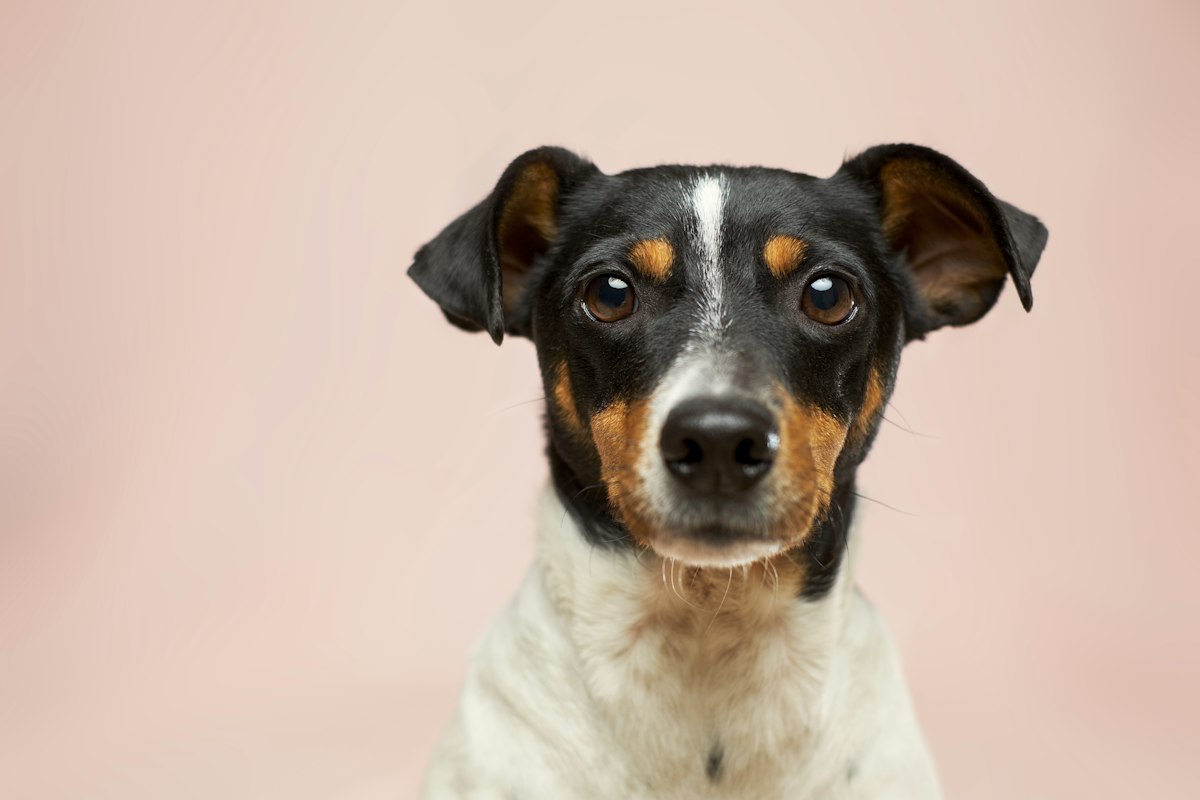
A Labrador displaying the focused attention essential for successful gundog training
The Foundation of Labrador Gundog Training
Before your Labrador can work effectively in the field, they must master several fundamental skills. These form the building blocks of all advanced gundog work and are typically introduced during puppyhood.
Basic Obedience
Recall: Your dog must return to you immediately when called, regardless of distractions. This is crucial for safety and control in the field.
Sit and Stay: The ability to remain in position until released is essential for marking falls and maintaining discipline during drives.
Walking to Heel: Your gundog must walk calmly beside you without pulling or ranging ahead, particularly important when approaching shooting pegs.
Stop Whistle: Teaching your dog to sit immediately upon hearing a specific whistle blast is fundamental for distance control.
Introduction to Retrieving
Start with simple retrieves using a canvas dummy or tennis ball. Begin indoors or in a secure garden, throwing the item a short distance and encouraging your dog to bring it back. Gradually increase distance and introduce the command "fetch" or "get on".
Key Points for Early Retrieving:
- Always use the same command word consistently
- Reward successful retrieves with praise, not treats during the exercise
- Never chase your dog if they don't return immediately
- Keep sessions short and positive
- Gradually introduce different surfaces and terrains
Water Introduction
Most Labradors love water, but formal introduction ensures they're comfortable retrieving from various water conditions. Start with shallow, calm water on warm days, allowing your dog to wade in gradually. Never force a reluctant dog into water, as this can create lasting anxiety.
Advanced Labrador Gundog Training Techniques
Once your Labrador has mastered the foundations, you can progress to more advanced skills that prepare them for real shooting scenarios.
Marking and Memory
Teaching your dog to mark where game falls and remember multiple retrieves is crucial for efficient fieldwork. Start with simple single retrieves, gradually building to doubles and eventually triples.
Progressive Marking Training:
- Throw a single dummy while your dog watches
- Send them for the retrieve immediately
- Progress to making them wait before sending
- Introduce a second dummy thrown to a different area
- Send for the memory bird (first thrown) then the marked bird
Blind Retrieves
Not all game falls where your dog can see it. Teaching blind retrieves using directional commands prepares them for these situations.
Directional Commands:
- "Get on" or "Get out" - straight line away from you
- "Left" and "Right" - lateral direction changes
- Stop whistle - sit and await further direction
Steadiness Training
A steady gundog remains calm and controlled around gunshots, other dogs, and exciting game situations. This requires gradual exposure and consistent reinforcement.
Building Steadiness:
- Start with cap guns or recordings at a distance
- Gradually increase volume and proximity
- Always associate gunshots with positive experiences
- Practice with other dogs present
- Introduce distractions like thrown dummies they mustn't retrieve

Water retrieval training is essential for developing a confident working Labrador
Professional Labrador Gundog Training Costs UK 2026
| Training Type | Duration | Price Range | What's Included |
|---|---|---|---|
| Puppy Foundation Course | 6 weeks | £180-£300 | Basic obedience, recall, introduction to retrieving |
| Intermediate Gundog Training | 8 weeks | £250-£400 | Water work, marking, steadiness, whistle training |
| Advanced Field Training | 10 weeks | £350-£550 | Blind retrieves, multiple marking, drive training |
| One-to-One Training Session | 1 hour | £45-£80 | Personalised training addressing specific issues |
| Residential Training (4 weeks) | 28 days | £1,200-£2,000 | Intensive training programme, basic to advanced |
| Assessment Day | Half day | £60-£100 | Evaluation of current abilities and training plan |
Prices vary by location, with London and South East typically 15-20% higher
Choosing the Right Training Approach
Different training methods suit different dogs and owners. Understanding your options helps you make the best choice for your Labrador's development.
Group Training Classes
Group classes offer excellent socialisation opportunities and are typically more affordable than individual training. Your Labrador learns to work around other dogs and distractions, which is valuable for real shooting scenarios.
Benefits of Group Training:
- Cost-effective option
- Social learning opportunities
- Exposure to different dogs and handlers
- Structured progression through training levels
Individual Training
One-to-one training allows for personalised programmes tailored to your dog's specific needs and your training goals.
When to Choose Individual Training:
- Your dog has specific behavioural issues
- You need flexible scheduling
- You want to progress more quickly
- Your dog is reactive or anxious around other dogs
Residential Training
Some trainers offer residential programmes where your Labrador stays with them for intensive training. This can be highly effective but requires careful consideration.
Considerations for Residential Training:
- Research the trainer's facilities and methods thoroughly
- Ensure positive, force-free methods are used
- Understand what follow-up support is provided
- Consider the impact on your bond with your dog
Essential Questions to Ask Before Hiring a Dog Trainer
When selecting a professional for labrador gundog training UK programmes, asking the right questions ensures you find the best fit for your dog's needs:
□ What qualifications and certifications do you hold (APDT, IMDT, Kennel Club)? □ How many years have you been training gundogs specifically? □ Can you provide references from previous Labrador owners? □ What training methods do you use, and are they force-free? □ Do you have insurance and DBS clearance? □ What is your experience with Labradors specifically? □ Can I observe a training session before committing? □ What happens if my dog doesn't progress as expected? □ Do you provide ongoing support after the course ends? □ Are your training grounds suitable for gundog work? □ What equipment do I need to provide? □ How do you handle dogs with different learning speeds?
Common Challenges in Labrador Gundog Training
Every dog is unique, and Labradors can present specific challenges during gundog training. Understanding these helps set realistic expectations.
Over-Enthusiasm
Many Labradors are naturally exuberant, which can interfere with the control required for gundog work. This enthusiasm needs channelling rather than suppressing.
Managing Over-Enthusiasm:
- Incorporate more steadiness exercises
- Practice calm greetings and departures
- Use structured play to burn excess energy
- Reward calm, controlled behaviour consistently
Hard Mouth
Some Labradors grip retrieved items too firmly, potentially damaging game. This requires specific correction techniques.
Addressing Hard Mouth:
- Use softer training dummies initially
- Teach "dead" or "gentle" commands
- Practice with fragile items like eggs (supervised)
- Never punish - instead, reward gentle retrieves
Water Reluctance
While most Labradors love water, some may be hesitant, particularly if they've had negative experiences.
Building Water Confidence:
- Start with shallow, warm water
- Use high-value rewards for any water interaction
- Allow the dog to progress at their own pace
- Consider working with a confident water dog as a role model
The Role of UK Gundog Training Organisations
Several organisations support gundog training standards in the UK, providing valuable resources and accreditation for trainers.
The Kennel Club
The Kennel Club runs working tests and field trials for gundogs, providing benchmarks for training standards. Their Good Citizen Dog Scheme also offers relevant foundational training.
The Gundog Club
This organisation promotes gundog training and holds events throughout the UK. They provide resources for both amateur and professional trainers.
International Association of Canine Professionals (IACP)
While international, the IACP has UK members who specialise in gundog training, offering additional training resources and networking opportunities.
Maintaining Your Labrador's Gundog Skills
Training doesn't end once your Labrador masters basic gundog skills. Regular practice and continued education ensure they remain sharp and responsive.
Regular Practice Sessions
Consistency is key to maintaining skills. Even if you don't shoot regularly, practice sessions keep your dog's abilities sharp.
Weekly Practice Routine:
- 2-3 short training sessions per week
- Vary locations and conditions
- Include both land and water work
- Practice steadiness around distractions
- Maintain fitness through appropriate exercise
Continued Learning
Both you and your dog benefit from ongoing education. Consider advanced workshops, field days, or working tests to continue developing skills.
Frequently Asked Questions
Q: At what age should I start gundog training with my Labrador?
A: You can begin foundation training as early as 8-12 weeks with basic puppy training and introduction to retrieving. Formal gundog training typically starts around 6 months, though you should avoid gunshot introduction until at least 8 months to prevent noise sensitivity.
Q: How long does it take to fully train a Labrador as a gundog?
A: A basic working gundog typically requires 12-18 months of consistent training, depending on the individual dog and training frequency. However, dogs continue learning and improving throughout their working life with regular practice and exposure to different situations.
Q: Can I train my pet Labrador as a gundog, or do I need a specific bloodline?
A: While working bloodlines often have stronger natural instincts, many pet Labradors can be successfully trained as gundogs. The key factors are individual temperament, trainability, and your commitment to consistent training rather than purely breeding.
Q: Is gundog training suitable for older Labradors?
A: Yes, older dogs can learn gundog skills, though they may take longer than puppies. Dogs up to 5-6 years old often adapt well to gundog training, especially if they have good basic obedience and natural retrieving interest.
Q: What's the difference between training a Labrador and other gundog breeds?
A: Labradors are generally more biddable and eager to please than some other gundog breeds, making them often easier to train. They typically have stronger water drive than spaniels but may need more work on steadiness compared to naturally calmer breeds like flat-coated retrievers.
Q: Do I need special equipment for Labrador gundog training?
A: Basic equipment includes canvas training dummies, a whistle (Acme 211.5 is popular), a slip lead, and eventually a training pistol or cap gun. Water training requires boat bumpers and floating dummies. Most trainers can advise on specific equipment needs for your training level.
Labrador gundog training represents one of the most rewarding aspects of dog ownership, combining the satisfaction of working with your companion while preserving traditional British fieldsports. With proper training, patience, and consistent practice, your Labrador can develop into a skilled working gundog while remaining a cherished family member.
Find a Dog Trainer Near You →
Search our free UK directory to find qualified, accredited dog trainers and behaviourists across the UK. Compare local professionals, read reviews and find the right trainer for your dog today.
Comments(0)