Jack Russell Training UK 2026
Expert Jack Russell training guide for UK owners. Find qualified trainers, costs, methods & solutions for common terrier behaviour issues.
Sarah

Jack Russell Training UK 2026: Complete Guide to Training Your Terrier
Jack Russell Terriers are amongst the most spirited and intelligent dogs you'll find, but they're also notorious for being strong-willed and independent. If you're a UK dog owner looking for effective Jack Russell training methods, you've come to the right place. These compact terriers require specialised training approaches that work with their natural instincts rather than against them.
Originally bred for fox hunting in the English countryside, Jack Russells possess an abundance of energy, intelligence, and determination that can either make them delightful companions or challenging handfuls. The key to success lies in understanding their unique temperament and finding the right training approach for your individual dog.
Understanding the Jack Russell Temperament
Jack Russell Terriers are working dogs at heart, bred to think independently and make quick decisions whilst hunting. This breeding history has created dogs with several distinct characteristics that directly impact their training needs:
High Intelligence and Problem-Solving Ability Jack Russells are exceptionally clever dogs who can quickly work out cause and effect. However, this intelligence can work against you if they decide your training sessions are boring or if they find more interesting activities to pursue.
Strong Prey Drive Their hunting heritage means Jack Russells have an incredibly strong prey drive. They'll chase anything that moves quickly – from squirrels to joggers to children on bicycles. This instinct requires careful management and channelling into appropriate outlets.
Independent Nature Unlike breeds that were developed to work closely with humans, Jack Russells were bred to work independently underground. This means they're naturally inclined to make their own decisions rather than constantly looking to their owner for guidance.
High Energy Requirements These dogs were built for action and require substantial physical and mental stimulation. Without adequate exercise and enrichment, they'll create their own entertainment – often in ways you won't appreciate.

Jack Russell Terriers were originally bred for hunting and require plenty of physical exercise and mental stimulation to stay happy and well-behaved.
Essential Training Foundations for Jack Russells
Start Early and Stay Consistent
The most critical period for Jack Russell training is between 8-16 weeks of age during their socialisation window. However, adult Jack Russells can absolutely be trained successfully – it simply requires more patience and consistency.
Socialisation Priorities
- Exposure to different people, including children, elderly individuals, and people wearing unusual clothing
- Meeting calm, well-socialised dogs of various sizes
- Experiencing different environments: busy streets, parks, countryside, and indoor spaces
- Positive associations with grooming, handling, and veterinary care
- Introduction to various sounds, surfaces, and situations they'll encounter in daily life
Positive Reinforcement Training Methods
Jack Russells respond best to positive reinforcement training methods, which align with the guidance from UK organisations like the Association of Pet Dog Trainers (APDT) and the Institute of Modern Dog Trainers (IMDT). These force-free methods work particularly well because:
- They engage the dog's intelligence in a positive way
- They build a strong bond between dog and owner
- They reduce the likelihood of defensive or aggressive responses
- They create dogs who are eager to learn and please
Traditional dominance-based training methods are particularly unsuitable for Jack Russells, as they can increase anxiety, aggression, and stubbornness in these already independent dogs.
Core Training Skills Every Jack Russell Needs
Recall Training
Perhaps no skill is more important for a Jack Russell than a reliable recall. Their strong prey drive and independent nature mean they can easily become deaf to your calls when something interesting catches their attention.
Building Reliable Recall
- Start indoors with minimal distractions
- Use high-value treats that your dog finds irresistible
- Practice short distances initially, gradually increasing
- Never call your dog to come for something they perceive as negative
- Make coming to you the best thing that can happen to them
Train recall in increasingly challenging environments, but never test it in situations where failure could be dangerous until you're absolutely confident in your dog's response.
Lead Walking
Jack Russells are notorious pullers, often because they're eager to investigate every scent and sound around them. Teaching loose lead walking requires patience but transforms daily walks from a battle into a pleasure.
Effective Lead Training Steps
- Start with short sessions in low-distraction environments
- Reward your dog for any attention or loose lead moments
- Use direction changes to keep your dog engaged with you
- Consider using a front-clip harness to reduce pulling rewards
- Practice "stop and wait" commands regularly during walks
Impulse Control
Given their high energy and strong instincts, impulse control is crucial for Jack Russells. This includes waiting at doors, not jumping on people, and leaving things alone when asked.
Key Impulse Control Exercises
- Wait command before meals, walks, and going through doors
- Leave it/drop it commands for inappropriate items
- Settle or place commands for calm behaviour on cue
- Greeting people politely without jumping
- Staying calm around other dogs and wildlife
Common Jack Russell Training Challenges
Excessive Barking
Jack Russells were bred to bay and bark to alert hunters to their location underground. This natural tendency can become problematic in modern domestic settings, particularly in urban areas or flats.
Managing Barking Behaviour
- Identify triggers and work on desensitisation
- Teach a "quiet" command using positive reinforcement
- Provide adequate mental and physical stimulation
- Use management strategies to prevent rehearsal of barking
- Consider whether the barking serves a legitimate alert function
Digging and Destructive Behaviour
The terrier instinct to dig and investigate can lead to destroyed gardens and damaged household items. Rather than trying to eliminate these behaviours entirely, it's often more effective to provide appropriate outlets.
Redirecting Natural Behaviours
- Create designated digging areas in your garden
- Provide puzzle toys and interactive feeders
- Use Kong toys and other enrichment during alone time
- Ensure adequate exercise before leaving your dog alone
- Rotate toys to maintain novelty and interest
Small Animal Aggression
Jack Russells' prey drive can make them unsuitable for homes with small pets like rabbits, guinea pigs, or cats, unless very carefully managed and trained from a young age.
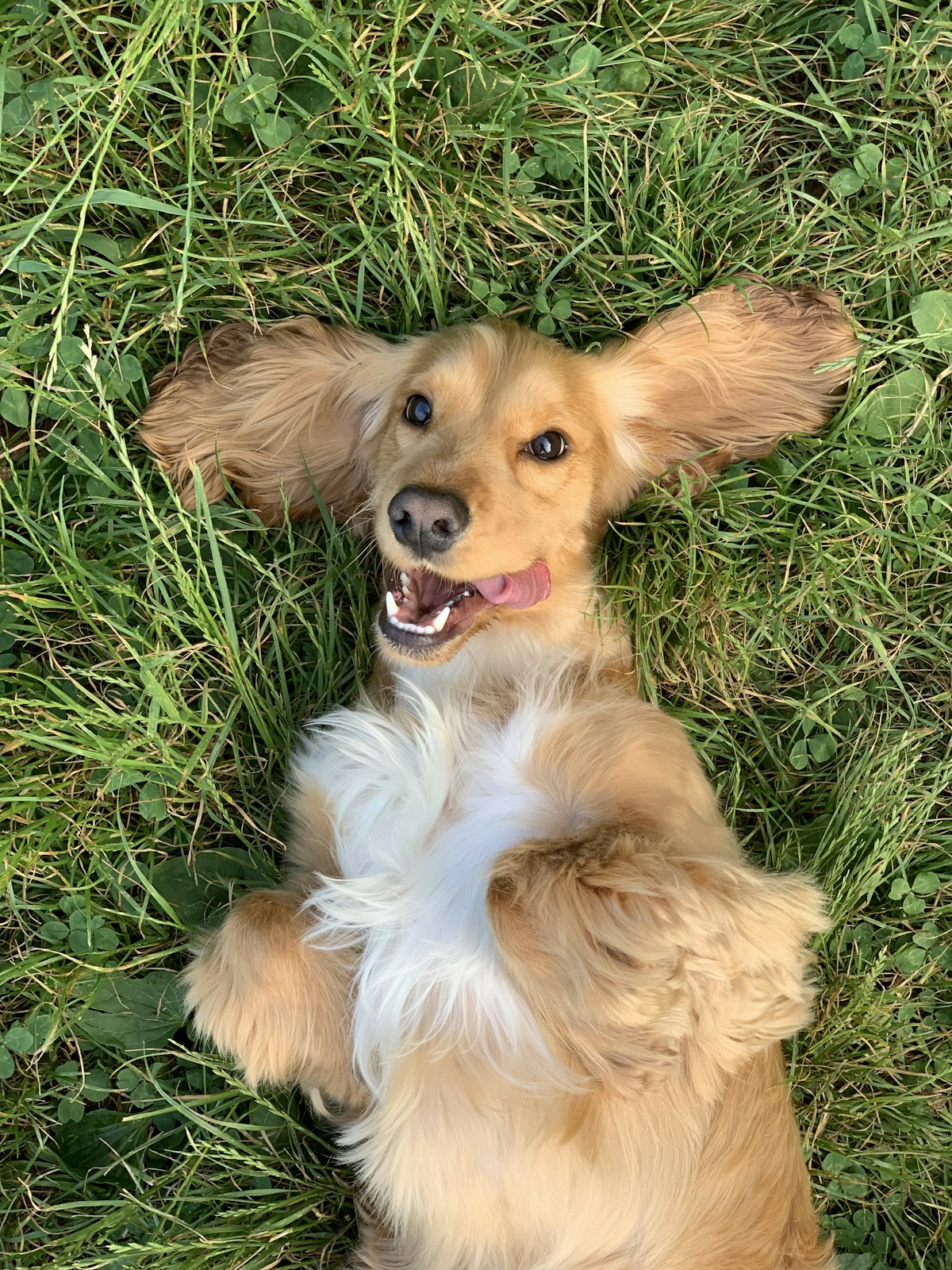
Consistent, positive training sessions help channel a Jack Russell's intelligence and energy into appropriate behaviours.
Jack Russell Training Costs in the UK (2026)
When considering professional training for your Jack Russell, here are typical costs you can expect across the UK:
| Training Type | Duration | Average Cost | What's Included |
|---|---|---|---|
| Puppy Classes | 6-8 weeks | £80-£120 | Group socialisation, basic commands, handling |
| Adult Group Classes | 6-8 weeks | £90-£140 | Basic obedience, recall, lead walking |
| One-to-One Training | Per session | £35-£65 | Personalised training, specific issues |
| Intensive Day Training | Full day | £150-£250 | Individual attention, comprehensive programme |
| Behavioural Consultation | 1-2 hours | £75-£120 | Problem assessment, customised plan |
| Online Training Course | Self-paced | £25-£75 | Video tutorials, email support |
Prices vary significantly based on location, with London and South East England typically commanding higher fees. Many trainers offer package deals that provide better value than individual sessions.
Finding the Right Trainer for Your Jack Russell
Qualifications to Look For
When searching for Jack Russell training in the UK, prioritise trainers with recognised qualifications and memberships:
- APDT (Association of Pet Dog Trainers) members follow ethical guidelines and continuing education requirements
- IMDT (Institute of Modern Dog Trainers) certified trainers specialise in modern, science-based methods
- CCAB (Canine and Feline Behaviour Association) for serious behavioural issues
- Kennel Club Accredited Instructors for structured training programmes
Questions to Ask Before Hiring a Dog Trainer
Training Philosophy and Methods
- Do you use positive reinforcement methods exclusively?
- How do you handle unwanted behaviours without punishment?
- What experience do you have specifically with terriers or Jack Russells?
- Can you provide references from other Jack Russell owners?
Qualifications and Experience
- What formal qualifications do you hold?
- Are you a member of any professional organisations?
- Do you have insurance and DBS checks?
- How do you stay updated with current training methods?
Training Approach
- Will you assess my dog individually before starting training?
- How do you adapt your methods for different dog personalities?
- What homework or practice will be expected between sessions?
- How do you measure progress and success?
Practical Considerations
- What are your rates and payment terms?
- Do you offer package deals or ongoing support?
- Where do training sessions take place?
- What happens if my dog doesn't respond to your methods?
Advanced Training Opportunities for Jack Russells
Once your Jack Russell has mastered basic obedience, consider these advanced activities that suit their intelligence and energy:
Agility Training
Jack Russells excel at agility due to their athleticism, intelligence, and eagerness to work. Many UK dog training centres offer beginner-friendly agility classes that can provide excellent physical and mental stimulation.
Scent Work
Channelling their natural hunting instincts into scent work can be incredibly rewarding for Jack Russells. This might include:
- Nosework classes teaching dogs to find specific scents
- Hide and seek games at home
- Food puzzles and scent trails
- Competitive scent work through organisations like Scentwork UK
Trick Training
Jack Russells love to learn new skills, and trick training provides mental stimulation whilst strengthening your bond. Popular tricks include:
- Playing dead or rolling over
- Weaving through legs
- Balancing objects on their nose
- Opening and closing doors
- Retrieving specific named items
Frequently Asked Questions
How long does it take to train a Jack Russell?
Basic obedience training typically takes 6-8 weeks with consistent daily practice, but Jack Russells are lifelong learners who benefit from ongoing training and mental stimulation. More complex behaviours or addressing problem issues may take several months of consistent work.
Are Jack Russells harder to train than other breeds?
Jack Russells aren't necessarily harder to train, but they do require different approaches than more biddable breeds. Their intelligence and independence mean they need engaging, varied training sessions and clear, consistent boundaries. They respond well to positive methods but can become stubborn if training becomes boring or repetitive.
Can older Jack Russells learn new behaviours?
Absolutely! Adult and senior Jack Russells can learn new skills and modify existing behaviours. Older dogs may take longer to change established habits, but their maturity often makes them more focused during training sessions. The key is patience, consistency, and using high-value rewards.
Should Jack Russells be trained individually or in groups?
Both approaches have benefits. Individual training allows for personalised attention to specific issues, whilst group classes provide crucial socialisation opportunities. Many Jack Russell owners find success combining both: starting with individual sessions to establish basic control, then moving to group classes for socialisation and distraction training.
How much exercise should a Jack Russell get during training periods?
Jack Russells need substantial daily exercise – typically 1-2 hours of active time. During intensive training periods, ensure they're getting adequate physical exercise before training sessions, as tired dogs are generally more receptive to learning. However, avoid training immediately after vigorous exercise when they may be too panted to focus properly.
What should I do if my Jack Russell becomes reactive to other dogs during training?
Reactivity requires careful, systematic desensitisation work, ideally with a qualified behaviourist. Stop exposing your dog to situations that trigger reactions, work on building positive associations at a distance where your dog can remain calm, and gradually decrease distance as your dog's confidence improves. Never punish reactive behaviour, as this often makes the problem worse.
Jack Russell training in the UK requires patience, consistency, and an understanding of these remarkable dogs' unique needs and instincts. With the right approach and professional guidance when needed, your Jack Russell can become a well-behaved, happy companion who channels their natural energy and intelligence in positive directions.
Find a Dog Trainer Near You →
Search our free UK directory to find qualified, accredited dog trainers and behaviourists across the UK. Compare local professionals, read reviews and find the right trainer for your dog today.
Comments(0)