How to Train a Dog to Walk Off Lead UK
Learn how to train your dog to walk off lead safely in the UK. Step-by-step methods, legal requirements & professional costs for reliable recall training.
Sarah

How to Train a Dog to Walk Off Lead UK: A Complete Guide to Safe, Reliable Recall
Walking your dog off lead in the UK can be one of the most rewarding experiences for both you and your canine companion. However, achieving reliable off-lead walking requires patience, consistency, and proper training techniques. This comprehensive guide will walk you through everything you need to know about training your dog to walk off lead safely and legally in the UK.
Understanding UK Laws and Regulations for Off-Lead Dogs
Before diving into training techniques, it's crucial to understand the legal framework surrounding off-lead dogs in the UK. The Dogs (Protection of Livestock) Act 1953 and the Countryside and Rights of Way Act 2000 outline specific requirements for dog owners.
In England and Wales, dogs must be kept on leads near livestock and during bird nesting season (1st March to 31st July) in many areas. Scotland has similar regulations under the Land Reform (Scotland) Act 2003. Always check local bylaws, as many urban parks, nature reserves, and beaches have specific lead requirements throughout the year.
Public spaces typically fall into three categories: areas where dogs must always be on lead, areas where dogs can be off lead but under close control, and areas where seasonal restrictions apply. The Kennel Club provides excellent resources for understanding these regulations across different regions.

Starting off-lead training in secure, enclosed areas helps build confidence and reliability before progressing to open spaces
Building Strong Foundation Skills
Establishing Reliable Recall
Before considering off-lead walking, your dog must have absolutely solid recall. This means they return to you immediately every time you call, regardless of distractions. Start training recall in your home, progressing to your garden, then to secure enclosed areas.
The Association of Pet Dog Trainers (APDT) recommends using positive reinforcement techniques exclusively. Begin with your dog's name followed by a recall command like "come" or "here." Always reward successful recalls with high-value treats, enthusiastic praise, or play.
Practice the "emergency stop" command alongside recall. This could be "stop," "wait," or "freeze." This command can be lifesaving if your dog is heading towards danger. Train this by calling the command when your dog is moving away from you, rewarding them heavily when they stop and look back at you.
Impulse Control and Focus Training
Off-lead walking requires excellent impulse control. Your dog needs to resist chasing squirrels, approaching other dogs without permission, or investigating interesting smells for extended periods.
Teach the "leave it" command using positive reinforcement methods. Start with treats in your closed fist, only opening when your dog stops trying to get them. Progress to dropping treats on the floor and teaching your dog to ignore them until given permission.
Practice attention exercises regularly. Use your dog's name to get their focus, rewarding eye contact with treats and praise. This builds the foundation for maintaining connection during off-lead walks.
Progressive Training Methodology
Phase One: Secure Environment Training
Begin off-lead training in completely secure environments such as fenced dog parks, tennis courts, or enclosed fields. Many local councils rent out secure dog exercise areas, which provide perfect training environments.
Start with short sessions of 5-10 minutes, allowing your dog to explore while practising recall every few minutes. Keep sessions positive and always end on a successful note. If your dog doesn't respond to recall, don't chase them – this turns it into a game. Instead, move away or hide, encouraging them to come looking for you.
Use a long training lead (10-15 metres) initially, even in secure areas. This safety backup allows you to prevent your dog from practising unwanted behaviours whilst building confidence in their decision-making.
Phase Two: Controlled Open Spaces
Once your dog responds reliably in enclosed spaces, progress to quiet, open areas during off-peak times. Early mornings or late evenings often provide fewer distractions. Choose locations away from roads, livestock, and heavy foot traffic.
Maintain the long training lead but allow it to drag behind your dog rather than holding it constantly. This provides security whilst giving your dog the sensation of freedom. Practice regular check-ins, calling your dog back every few minutes for treats and praise before releasing them again.
Introduce gradually increasing levels of distraction. Start in quiet areas, then progress to locations with occasional dog walkers, joggers, or wildlife. Always ensure you can manage the environment and your dog's responses.
Choosing the Right Training Equipment
Essential Gear for Off-Lead Training
Quality equipment makes training safer and more effective. A well-fitted harness provides better control than a collar and reduces neck strain. The Dogs Trust recommends harnesses that don't restrict shoulder movement whilst providing secure attachment points.
Long training leads should be lightweight but strong, typically 10-15 metres in length. Avoid extendable leads for serious training, as they don't provide consistent feedback. Biothane leads are weather-resistant and easy to clean, making them ideal for UK conditions.
Treat pouches keep rewards easily accessible and your hands free. Choose high-value training treats that your dog finds irresistible – many UK trainers recommend small pieces of cooked chicken, cheese, or specialist training treats.
Technology and Safety Aids
GPS dog trackers provide additional security during training and can help locate your dog if they become lost. Many UK models offer real-time tracking and boundary alerts, though they shouldn't replace proper training.
Consider a whistle for recall training, especially in windy conditions where your voice might not carry. The ACME 211.5 is favoured by many UK gun dog trainers for its consistent tone and range.
Emergency contacts should always be readily available. Ensure your dog wears identification tags with your current phone number, and consider microchipping if not already done.
Training Costs and Professional Help
| Service Type | Typical UK Cost (2026) | Duration | What's Included |
|---|---|---|---|
| Initial Assessment | £45-75 | 1-1.5 hours | Behaviour evaluation, training plan |
| Private Recall Training | £60-90 per session | 1 hour | One-to-one instruction, homework plan |
| Group Recall Classes | £15-25 per class | 1 hour | Group environment, socialisation |
| Intensive Off-Lead Course | £200-350 | 4-6 weeks | Complete programme, ongoing support |
| Behavioural Consultation | £80-120 | 1.5-2 hours | Problem-solving, specialist advice |
| Emergency Recall Bootcamp | £150-250 | 1 day | Intensive training, follow-up session |
Common Challenges and Solutions
Dealing with Selective Hearing
Many dogs develop "selective hearing" where they ignore recall commands when engaged in interesting activities. This often results from inconsistent training or allowing failed recalls to go uncorrected.
Address this by never calling your dog when you're not confident they'll respond. If they're heavily engaged in sniffing or playing, move closer before calling, or use environmental management to redirect their attention first.
Make recalls more rewarding than whatever your dog is currently doing. This might mean carrying exceptionally high-value treats or engaging in favourite games when they return to you.
Managing High-Distraction Environments
UK environments present unique challenges, from sheep in rural areas to busy parks in urban settings. The Institute of Modern Dog Trainers (IMDT) emphasises gradual exposure to increasing levels of distraction.
Practice the "look at that" technique, where you reward your dog for noticing distractions without reacting. This builds impulse control whilst maintaining your dog's awareness of their environment.
Use environmental management strategically. If you know your dog struggles with specific triggers, avoid those areas until their training is more advanced, or ensure you have management strategies in place.
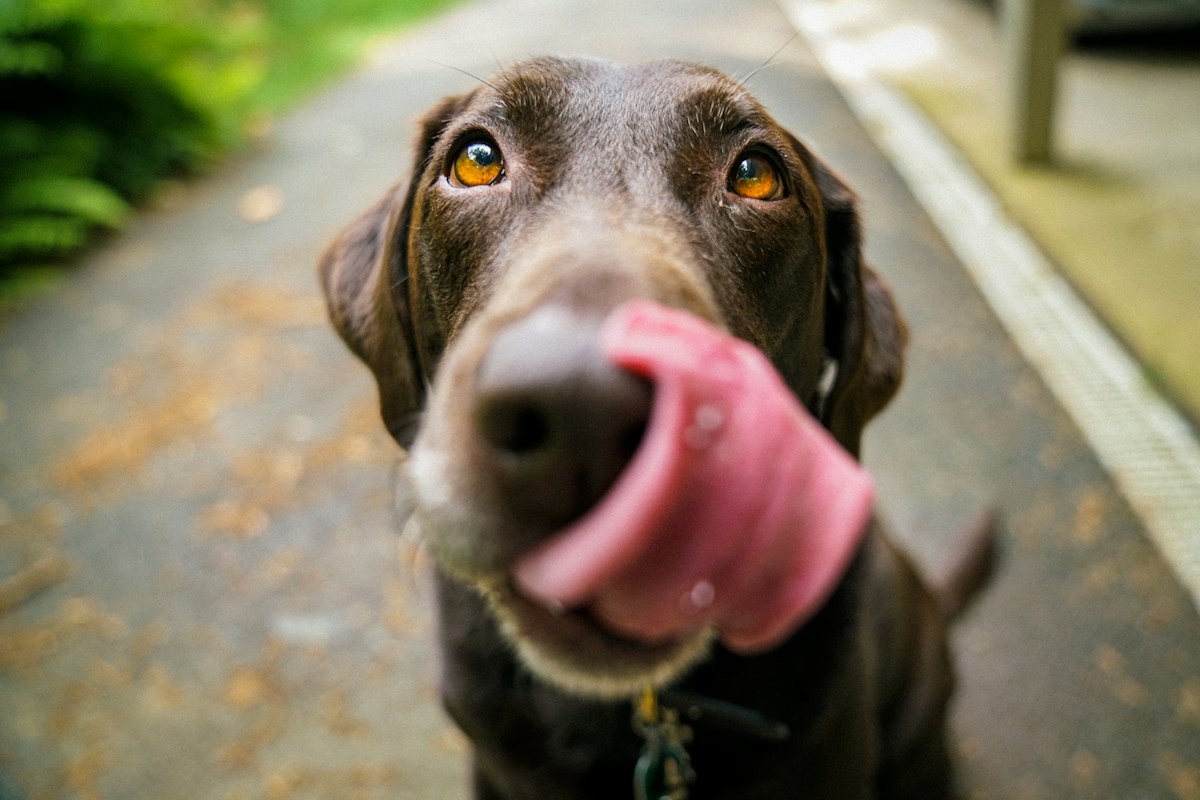
The ultimate goal: a dog who chooses to stay close and check in regularly, even in stimulating environments
Advanced Off-Lead Skills
Teaching Boundary Awareness
Advanced off-lead dogs understand invisible boundaries and stay within acceptable distances from their owners. Start by establishing a clear "stay close" command, rewarding your dog for remaining within a specific radius.
Practice direction changes frequently during walks. When your dog is ranging ahead, suddenly change direction without calling them. Reward generously when they notice and follow you, building their awareness of your location and movement.
Use natural boundaries initially, such as paths or fence lines, before progressing to invisible boundaries. This helps your dog understand the concept before applying it to more abstract limits.
Weather and Seasonal Considerations
UK weather significantly impacts off-lead training success. Wind affects scent trails and sound transmission, potentially making recall more challenging. Rain can make some dogs more excited and less responsive to commands.
During winter months, daylight hours are limited, requiring adjustment to training schedules. Many UK dog owners find early morning sessions work best, taking advantage of quieter spaces before the day begins.
Summer brings specific challenges including increased wildlife activity, more people in outdoor spaces, and potential heat stress. Always carry water for your dog and avoid peak heat hours for intensive training sessions.
Questions to Ask Before Hiring a Dog Trainer
- Are you qualified with recognised organisations like the APDT, IMDT, or Kennel Club?
- What training methods do you use, and do you follow force-free principles?
- Do you have experience with off-lead training and recall issues specifically?
- Can you provide references from previous clients with similar challenges?
- What is your approach to managing the UK legal requirements for off-lead dogs?
- Do you offer training in various environments, including outdoor spaces?
- What ongoing support do you provide after the initial training programme?
- How do you handle dogs with specific behavioural challenges or high prey drive?
- Are you insured for professional dog training services?
- What happens if my dog doesn't progress as expected during the programme?
Frequently Asked Questions
How long does it typically take to train a dog to walk reliably off lead? The timeline varies significantly depending on your dog's age, breed, previous training, and individual personality. Most dogs require 3-6 months of consistent training to achieve reliable off-lead walking, with some taking up to a year for complete reliability. Puppies and young dogs often learn faster, whilst dogs with established habits of ignoring recall may take longer to retrain.
Is it safe to walk any dog off lead in the UK? Not all dogs are suitable for off-lead walking. Dogs with high prey drive, aggressive tendencies towards other dogs or people, or those prone to running away should remain on lead for everyone's safety. Additionally, some breeds have been bred for independence and may find recall training more challenging. Always prioritise safety over freedom.
What should I do if my dog won't come back during training? Never chase your dog, as this reinforces the behaviour as a game. Instead, try moving away from your dog, hiding behind a tree, or making exciting noises to encourage them to come looking for you. If this fails, calmly walk to your dog without showing frustration, attach their lead, and end the training session. Analyse what went wrong and adjust your approach for next time.
Are there specific areas in the UK where off-lead walking is prohibited? Yes, many areas have restrictions. These typically include nature reserves during nesting season, areas near livestock, some beaches during summer months, urban parks with specific bylaws, and areas with ground-nesting birds. Always check local signage and council websites before allowing your dog off lead in new areas.
Should I use an e-collar or shock collar for off-lead training? No, modern UK dog training professionals, including those accredited by the APDT and IMDT, strongly advise against punishment-based tools. These devices can create anxiety, aggression, and actually worsen recall problems. Positive reinforcement methods are more effective and create a stronger, trust-based relationship between you and your dog.
What age should I start off-lead training with my puppy? You can begin foundation skills like recall and attention exercises as soon as you bring your puppy home, typically around 8 weeks. However, actual off-lead walking should wait until your puppy has completed their vaccination programme and had time to develop impulse control, usually around 4-6 months of age. Always start in secure, enclosed areas regardless of age.
Off-lead walking represents the pinnacle of the human-dog bond, requiring trust, communication, and mutual respect. With consistent training, appropriate professional guidance when needed, and respect for UK laws and other countryside users, most dogs can learn to enjoy the freedom of off-lead adventures safely.
Find a Dog Trainer Near You →
Search our free UK directory to find qualified, accredited dog trainers and behaviourists across the UK. Compare local professionals, read reviews and find the right trainer for your dog today.
Comments(0)