How Long Should Dog Training Sessions Be UK
Expert guide on optimal dog training session duration in the UK. Learn perfect timing for puppies, adults & seniors for effective results.
Sarah

How Long Should Dog Training Sessions Be UK: A Complete Guide to Effective Session Duration
Getting the timing right for your dog's training sessions is crucial for successful learning outcomes. Whether you're working with a new puppy or addressing behavioural challenges in an older dog, understanding optimal session lengths can make the difference between progress and frustration. Many UK dog owners struggle with this fundamental aspect of training, often making sessions either too long or too short to be effective.
The duration of dog training sessions depends on several factors including your dog's age, attention span, experience level, and the complexity of what you're teaching. Professional dog trainers across the UK consistently recommend specific timeframes based on decades of collective experience and canine learning research.
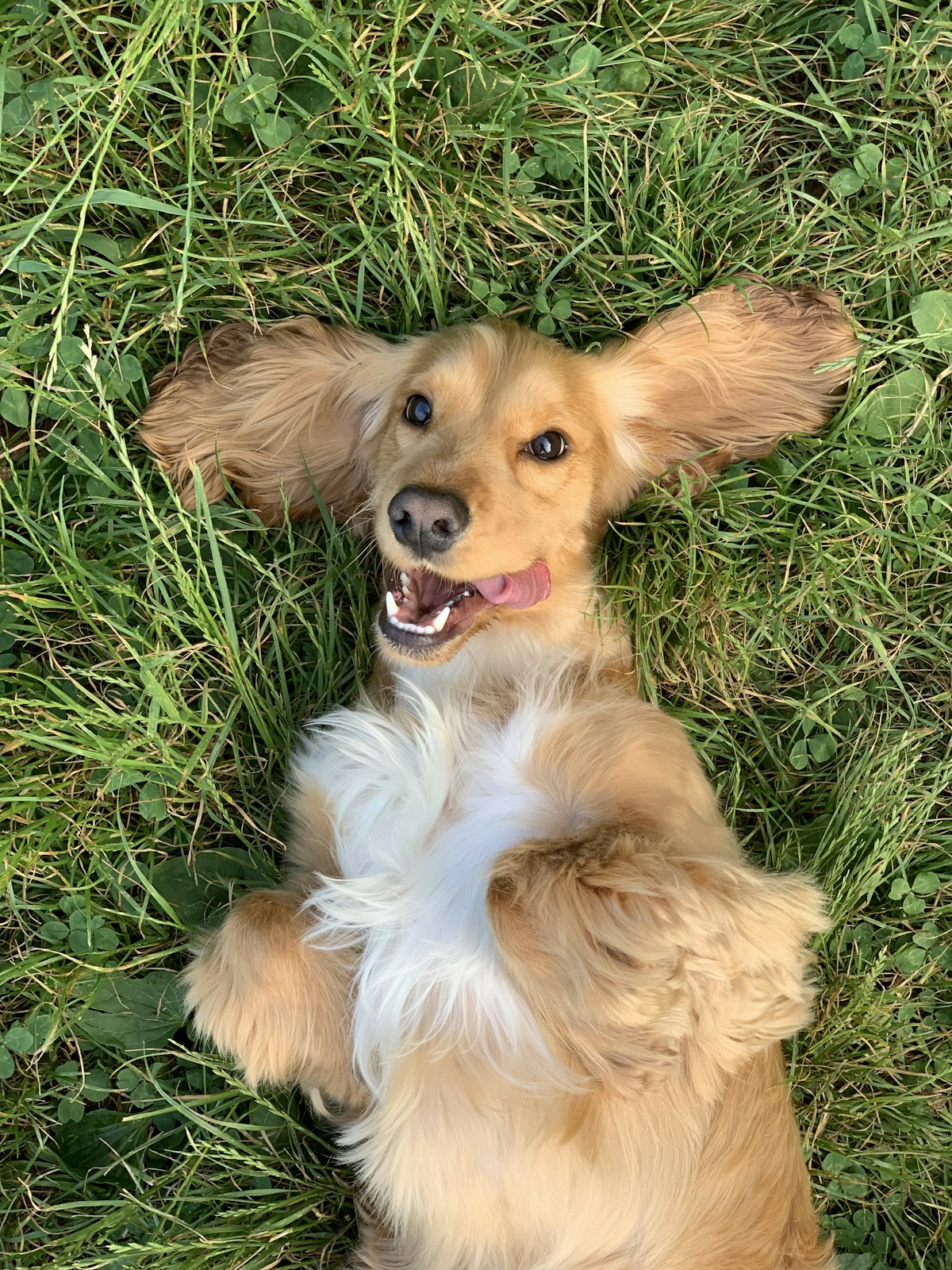
Understanding Canine Attention Spans
Dogs have naturally shorter attention spans than humans, and this varies significantly based on individual factors. Young puppies typically maintain focus for just 5-10 minutes at a time, whilst adult dogs can usually concentrate for 10-15 minutes during structured training. Senior dogs may have reduced attention spans due to age-related changes, though this varies considerably between individuals.
The concept of mental fatigue is particularly important in canine training. Just as physical exercise tires a dog's body, mental stimulation through training exercises their brain. A dog showing signs of mental fatigue will struggle to process new information effectively, making longer sessions counterproductive.
Environmental factors also play a crucial role in attention span duration. Training in familiar, low-distraction environments typically allows for longer sessions than training in busy parks or around other dogs. Weather conditions, time of day, and your dog's general health and mood all influence their ability to concentrate.
Recommended Training Session Lengths by Age
Puppies (8-16 weeks)
Puppies have the shortest attention spans and require the most frequent but brief sessions. Aim for 3-5 minute sessions, repeated 3-4 times throughout the day. At this age, everything is new and exciting, but puppies tire quickly both mentally and physically.
Focus on basic commands like sit, stay, and recall during these short bursts. House training sessions can be more frequent but should still be kept brief and positive. Remember that puppies need plenty of rest between activities.
Young Dogs (4-12 months)
As dogs mature, their attention spans gradually increase. Training sessions can extend to 5-10 minutes, still repeated multiple times daily. This age group benefits from slightly more complex exercises but still requires frequent breaks.
Young dogs are often more energetic and may seem ready for longer sessions, but maintaining shorter durations helps prevent overstimulation and maintains their enthusiasm for training.
Adult Dogs (1-7 years)
Adult dogs typically handle 10-15 minute training sessions effectively. They can focus for longer periods and tackle more complex training scenarios. However, some dogs may still prefer shorter, more frequent sessions depending on their individual temperament and energy levels.
This age group can benefit from themed sessions focusing on specific skills or behaviours, but should still include variety to maintain engagement.
Senior Dogs (7+ years)
Senior dogs may require shorter sessions again, typically 5-10 minutes, as age-related changes can affect concentration and physical comfort. However, mental stimulation remains important for cognitive health, so regular short sessions are beneficial.
Consider your senior dog's physical limitations and adjust training accordingly. Some older dogs may actually prefer longer, gentler sessions if they're comfortable and engaged.
Factors That Influence Optimal Session Length
Individual Temperament and Breed Characteristics
Working breeds like Border Collies or German Shepherds often have longer attention spans and higher motivation for training activities. These dogs might comfortably handle 15-20 minute sessions when fully engaged. Conversely, breeds with more independent natures might prefer shorter, more varied sessions.
High-energy breeds may need physical exercise before training to help them settle and focus, whilst calmer breeds might be ready to train immediately. Understanding your dog's breed tendencies helps set realistic expectations for session duration.
Training Experience Level
Dogs new to formal training typically need shorter sessions as they're learning how to learn. As they become more accustomed to training routines and understand what's expected, sessions can gradually be extended.
Experienced dogs who enjoy training may actively seek longer sessions and show disappointment when sessions end too quickly. However, it's still important to end on a positive note before attention wanes.
Complexity of Training Tasks
Simple commands like 'sit' or 'down' can be practised in quick succession during short sessions. More complex behaviours like loose lead walking or recall training may require longer sessions but with built-in breaks and varied activities.
Advanced training like agility or trick training often benefits from longer sessions (15-20 minutes) but should include multiple short exercises rather than repetitive drilling of single behaviours.

Professional Training Session Structures
UK dog trainers typically structure sessions with clear beginnings, middles, and ends. A typical 15-minute session might include:
Warm-up (2-3 minutes): Simple commands the dog knows well to build confidence and focus.
Main training (8-10 minutes): New skills or challenging behaviours, broken into 2-3 minute segments with brief play breaks.
Cool-down (2-3 minutes): Easy, enjoyable activities to end on a positive note.
Professional group classes often run for 45-60 minutes but include multiple short training segments interspersed with socialisation, discussion, and breaks. This structure prevents individual dogs from becoming overwhelmed whilst maximising learning opportunities.
Many accredited trainers belonging to organisations like the Association of Pet Dog Trainers (APDT) or Institute of Modern Dog Trainers (IMDT) emphasise quality over quantity in training sessions. They focus on achieving clear communication and positive experiences rather than extending sessions unnecessarily.
Signs Your Training Session Should End
Learning to recognise when your dog has reached their limit is crucial for effective training. Common signs include:
Physical indicators: Excessive panting (when not due to heat), yawning, lip licking, or seeking to move away from the training area.
Behavioural changes: Increased distractibility, slower response to known commands, or beginning to offer incorrect behaviours they normally perform correctly.
Loss of motivation: Reduced interest in treats or praise, reluctance to engage, or appearing 'switched off' despite your enthusiasm.
Stress signals: Scratching when not itchy, shaking off as if wet when dry, or displacement behaviours like sudden sniffing or digging.
When you notice these signs, it's time to end the session positively with something your dog can easily succeed at, followed by praise and perhaps a brief play session.
UK Dog Training Costs for Professional Sessions
| Session Type | Duration | Price Range (2026) | What's Included |
|---|---|---|---|
| Individual Training | 60 minutes | £45-80 | Personalised programme, written plan |
| Puppy Classes | 45 minutes | £12-25 per class | Group socialisation, basic training |
| Adult Group Classes | 60 minutes | £15-30 per class | Structured training, social interaction |
| Intensive Training | 90 minutes | £70-120 | Advanced behaviours, complex issues |
| Behavioural Consultation | 90-120 minutes | £80-150 | Assessment, tailored programme |
| Follow-up Sessions | 45 minutes | £35-60 | Progress review, programme adjustment |
Prices vary by location, with London and Southeast England typically at the higher end of ranges
Creating Effective Training Schedules
Consistency is more important than duration when establishing training routines. Most dogs benefit from 2-3 short sessions daily rather than one lengthy session weekly. This approach reinforces learning and prevents skills from deteriorating between practices.
Consider your dog's daily routine when scheduling training. Many dogs are most alert and responsive after moderate exercise but before meals. Avoid training immediately after eating or when your dog is overly excited or tired.
Weekend intensive training sessions can be beneficial but should still follow the principle of multiple short segments with breaks. A two-hour workshop might include six 15-minute training segments with socialisation and discussion periods between.
Questions to Ask Before Hiring a Dog Trainer
- How long are your typical training sessions and why?
- What qualifications and professional memberships do you hold?
- Do you adjust session length based on individual dogs' needs?
- What training methods do you use, and are they force-free?
- Can you provide references from recent clients?
- How do you handle dogs who lose focus during sessions?
- What happens if my dog doesn't respond well to your training approach?
- Do you offer follow-up support between sessions?
- Are you insured for training dogs?
- How do you stay updated with current training techniques?
Advanced Training Considerations
As dogs progress in their training journey, session structures can become more sophisticated. Advanced dogs might enjoy 20-30 minute sessions when working on complex sequences or chains of behaviours. However, these longer sessions should still include variety and mental breaks.
Competition training for activities like agility, obedience, or working trials often requires longer sessions but should be built up gradually. Even highly trained dogs benefit from varied activities within longer sessions to maintain engagement and prevent boredom.
Some dogs develop such enthusiasm for training that they actively request longer sessions. While this is wonderful, it's still important to maintain structure and end sessions before the dog becomes overtired or overstimulated.
Troubleshooting Common Session Length Issues
If your dog consistently loses interest quickly, consider whether you're asking too much too soon. Breaking complex behaviours into smaller steps and reducing session length might help rebuild enthusiasm.
Dogs who seem to want longer sessions might benefit from more frequent shorter sessions throughout the day rather than extending individual session duration. This approach maintains their motivation while providing adequate mental stimulation.
Environmental factors often impact optimal session length. Indoor training might allow for longer sessions due to fewer distractions, whilst outdoor training in stimulating environments typically requires shorter, more focused sessions.
Frequently Asked Questions
Q: Can training sessions be too short to be effective? A: While very brief sessions (under 3 minutes) may not allow time to establish focus and complete meaningful training, even 5-minute sessions can be highly effective when done consistently. Quality and frequency often matter more than duration.
Q: Should I train my dog every day? A: Daily training is ideal for most dogs, but this can include very short sessions or simply practising commands during daily activities like feeding time or walks. Consistency is more important than intensive daily sessions.
Q: What if my dog gets distracted during training sessions? A: Distractions often indicate the session has gone on too long or the environment is too stimulating. Try shorter sessions in quieter locations, and gradually increase duration and environmental challenges as your dog's focus improves.
Q: Are online training sessions as effective as in-person sessions? A: Online sessions can be effective for many training goals, though session lengths often need to be shorter due to the digital format. They work particularly well for teaching basic commands and addressing specific behavioural questions with professional guidance.
Q: How do I know if my dog trainer is using appropriate session lengths? A: Professional trainers should adjust session length based on your dog's responses and explain their reasoning. They should recognise signs of fatigue or overstimulation and modify sessions accordingly. Look for trainers who prioritise your dog's wellbeing over rigid schedules.
Q: Should training sessions be the same length for all types of training? A: No, different types of training benefit from different session lengths. Basic obedience might use shorter sessions, whilst socialisation or behavioural modification might require longer but less intensive sessions with plenty of breaks.
Understanding how long dog training sessions should be is fundamental to successful training outcomes. By matching session duration to your dog's individual needs, age, and attention span, you'll create positive learning experiences that build long-term success. Remember that consistency and quality always trump duration when it comes to effective dog training.
Find a Dog Trainer Near You →
Search our free UK directory to find qualified, accredited dog trainers and behaviourists across the UK. Compare local professionals, read reviews and find the right trainer for your dog today.
Comments(0)