First Week with a New Puppy UK
Expert guide to your first week with a new puppy in the UK. Essential tips, routines, and solutions for common challenges to help you both succeed.
Sarah

First Week with a New Puppy UK: Your Complete Survival Guide
Bringing home a new puppy is one of life's most exciting experiences, but the first week with a new puppy in the UK can feel overwhelming for even the most prepared dog owners. From establishing routines to managing sleepless nights, those initial seven days set the foundation for your lifelong relationship with your canine companion.
This comprehensive guide will walk you through everything you need to know to navigate your puppy's first week successfully, covering essential preparations, common challenges, and expert tips from UK dog training professionals to help both you and your new family member adjust smoothly.
Preparing Your Home Before Your Puppy Arrives
Before your puppy sets paw in your home, thorough preparation is crucial. Start by puppy-proofing your living space, removing or securing anything potentially dangerous such as electrical cables, toxic plants, small objects that could be swallowed, and valuable items that might be chewed.
Set up a designated safe space where your puppy can retreat when feeling overwhelmed. This could be a crate, playpen, or quiet corner with comfortable bedding. The space should be large enough for your puppy to stand, turn around, and lie down comfortably, but not so large that they might toilet in one corner.
Stock up on essential supplies including high-quality puppy food (preferably the same brand the breeder was using to avoid digestive upset), food and water bowls, a collar and lead, identification tag, comfortable bedding, appropriate toys for teething, and cleaning supplies for inevitable accidents.
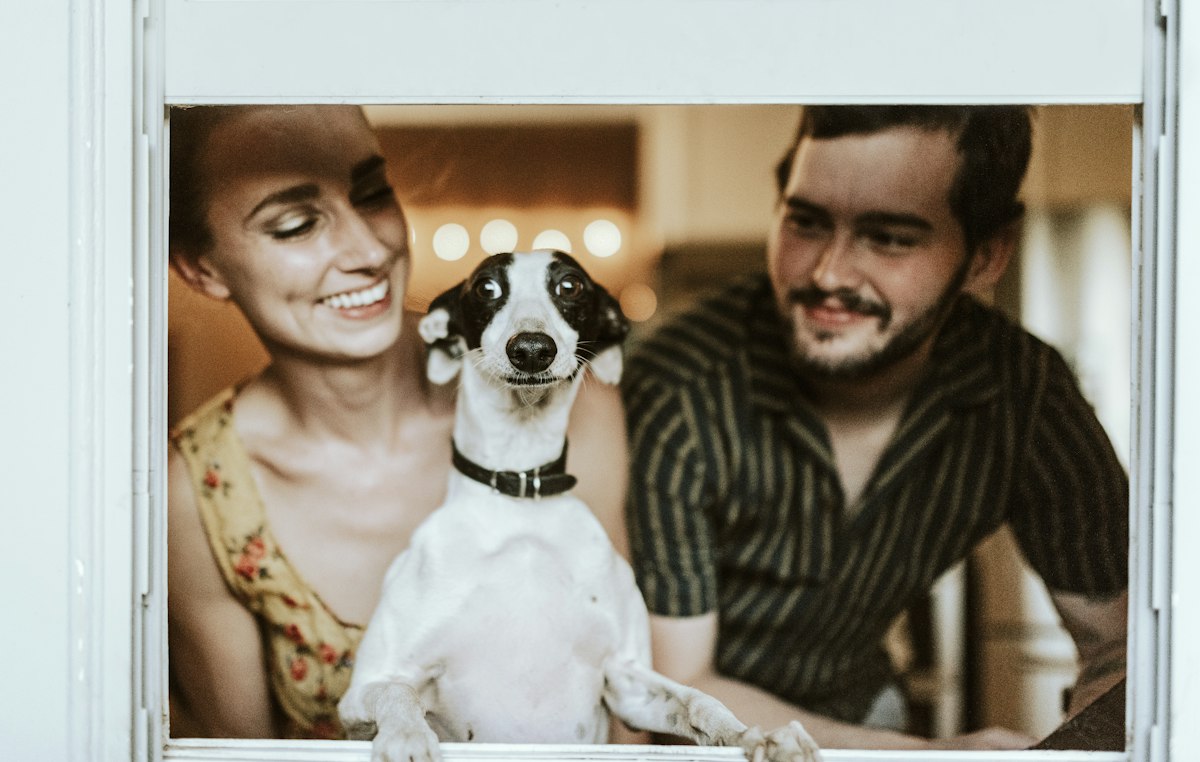
Creating a comfortable, safe space for your new puppy is essential for helping them settle into their new home during that crucial first week.
Day One: The Big Arrival
The first day is often the most stressful for both puppy and owner. Keep initial introductions calm and low-key. Allow your puppy to explore their new environment gradually, starting with one room before expanding to other areas of the house over the coming days.
Establish feeding times immediately, offering small, frequent meals as recommended by your veterinarian or the puppy's previous carer. Most young puppies need feeding three to four times daily, with consistent timing helping to regulate their digestive system and toilet schedule.
Begin house training from the moment your puppy arrives. Take them outside every hour, immediately after meals, upon waking, and after play sessions. Praise enthusiastically when they toilet outside, but never punish accidents indoors – simply clean up quietly and increase supervision.
Sleep Challenges and Solutions
The first few nights are notoriously difficult as your puppy adjusts to sleeping alone, away from their littermates and mother. Whining and crying are completely normal responses to this major change.
Position your puppy's sleeping area where they can see or hear you, such as in your bedroom or just outside. This proximity provides comfort whilst maintaining boundaries. Some owners find success with a ticking clock or soft radio to provide gentle background noise that mimics the sounds of sleeping littermates.
Resist the urge to constantly comfort a crying puppy during the night, as this can create dependency and worsen separation anxiety. Instead, only respond if you suspect they need to toilet. Most puppies settle within a few nights once they understand the routine.
Establishing Essential Routines
Consistency is vital during your puppy's first week. Establish regular meal times, toilet breaks, play sessions, and rest periods. Puppies thrive on predictable routines that help them feel secure in their new environment.
Create a daily schedule that includes:
- Morning toilet break immediately upon waking
- Breakfast followed by outdoor time
- Short play or training sessions
- Regular toilet breaks throughout the day
- Afternoon nap times (puppies sleep 18-20 hours daily)
- Evening meal and outdoor time
- Final toilet break before bed
Young puppies have limited bladder control, typically able to "hold it" for one hour per month of age plus one. A 10-week-old puppy might manage three hours maximum, so adjust expectations accordingly.
Health and Veterinary Considerations
Schedule a veterinary check-up within the first few days of bringing your puppy home, even if they appear healthy. This initial examination establishes baseline health records and allows discussion of vaccination schedules, parasite prevention, and any concerns about your puppy's development.
Most puppies arrive with partially completed vaccination courses. Until fully vaccinated (typically around 12-16 weeks), limit exposure to unvaccinated dogs and avoid areas where unvaccinated dogs might have been. This doesn't mean complete isolation – your puppy still needs carefully managed socialisation experiences.
Monitor your puppy's eating, drinking, toileting, and energy levels closely. Sudden changes in any of these areas warrant veterinary attention. Common first-week concerns include digestive upset from stress or diet changes, and minor injuries from enthusiastic exploration.

Gentle handling and positive interactions during the first week help build trust and confidence in your new puppy.
Early Socialisation and Handling
The first week presents crucial opportunities for positive socialisation, even before vaccinations are complete. Invite calm, vaccinated dogs to visit your garden, introduce your puppy to different household sounds, and encourage gentle handling by family members.
Focus on making every new experience positive through treats, praise, and patience. Handle your puppy's paws, ears, and mouth gently to prepare them for future grooming and veterinary examinations. These early positive associations prevent fear and anxiety later in life.
Avoid overwhelming your puppy with too many new experiences simultaneously. Quality matters more than quantity – a few positive interactions are better than numerous stressful ones.
Common First Week Challenges
Expect some typical challenges during your puppy's first week. House training accidents are inevitable – maintain patience and consistency rather than frustration. Chewing inappropriate items is natural teething behaviour; redirect to appropriate toys and ensure adequate mental stimulation.
Separation anxiety when left alone is common. Start with very brief separations (even just stepping outside for a minute) and gradually increase duration. Never make a big fuss when leaving or returning, as this heightens the emotional intensity of separations.
Some puppies may refuse food initially due to stress or dietary changes. Offer meals at regular times but don't panic if your puppy eats less than expected for the first few days. Ensure fresh water is always available.
Professional Dog Training Costs in the UK (2026)
| Service Type | Price Range | Duration | What's Included |
|---|---|---|---|
| Puppy Foundation Classes | £80-£150 | 4-6 weeks | Basic commands, socialisation, house training advice |
| One-to-One Puppy Training | £40-£80 per session | 1 hour | Personalised training, problem-solving |
| Puppy Socialisation Classes | £60-£120 | 4-6 weeks | Controlled puppy interactions, confidence building |
| Intensive Puppy Programme | £200-£400 | 3-4 sessions | Comprehensive foundation training package |
| Online Puppy Course | £30-£100 | Self-paced | Video tutorials, email support |
Prices vary significantly based on location, trainer qualifications, and specific services included.
Building Positive Relationships
Use your puppy's first week to establish yourself as a source of good things rather than someone to be feared. Hand-feed treats, engage in gentle play, and respond to your puppy's needs consistently. This builds trust and forms the foundation for successful training later.
Avoid punishment-based methods entirely during this sensitive period. Instead, redirect unwanted behaviours to appropriate alternatives and reward good choices enthusiastically. The Association of Pet Dog Trainers (APDT) and Institute of Modern Dog Trainers (IMDT) both advocate for positive, force-free training approaches.
Include all family members in caring for your puppy to prevent over-attachment to one person. However, ensure children understand how to interact appropriately – no rough play or handling, and always supervised interactions.
Questions to Ask Before Hiring a Dog Trainer
✓ Are you a member of a recognised professional body (APDT, IMDT, or CCPDT)? ✓ What training methods do you use, and do you follow force-free principles? ✓ Do you have insurance and relevant qualifications? ✓ Can you provide references from recent clients? ✓ What experience do you have specifically with puppies? ✓ Do you offer follow-up support after formal training sessions? ✓ How do you handle behavioural problems that arise during training? ✓ What is your policy on missed sessions or cancellations? ✓ Do you provide training materials or homework between sessions? ✓ Are you familiar with my puppy's breed and their specific needs?
Creating Long-Term Success
Remember that your puppy's first week is just the beginning of a lifelong journey together. The habits and routines you establish now will influence your dog's behaviour for years to come. Stay patient, consistent, and positive even when faced with challenges.
Consider enrolling in puppy training classes once your puppy is adequately vaccinated. The Kennel Club Good Citizen Dog Scheme provides excellent structured training programmes, whilst Dogs Trust offers valuable resources and sometimes subsidised training courses.
Keep detailed records of your puppy's progress, including house training successes, new behaviours learned, and any concerns that arise. This information proves invaluable when discussing your puppy's development with veterinarians or professional trainers.
Frequently Asked Questions
How long does it take for a puppy to settle in their new home? Most puppies begin settling within 3-7 days, though full adjustment can take several weeks. Each puppy is different – some adapt quickly whilst others need more time. Consistent routines and patience help speed the process.
Should I let my puppy sleep in my bed during the first week? It's generally better to establish boundaries from the start. If you don't want your adult dog in your bed, don't allow it as a puppy. However, having their sleeping area in your bedroom can provide comfort whilst maintaining appropriate boundaries.
When can I start training my puppy? Training can begin immediately! Simple commands like "sit" and "come" can be taught from 8 weeks old. Focus on short, positive sessions and remember that puppies have limited attention spans.
How do I know if my puppy is eating enough? Puppies should be gaining weight steadily and have good energy levels. If you're concerned about eating habits, consult your veterinarian. Some reduction in appetite during the first few days due to stress is normal.
What should I do if my puppy won't stop crying at night? First, ensure all basic needs are met – food, water, toilet, comfort. Then, avoid constantly responding to crying as this can reinforce the behaviour. Most puppies settle within a few nights once they adjust to the routine.
When should I be concerned about my puppy's behaviour? Contact your veterinarian if your puppy shows signs of illness (lethargy, loss of appetite, vomiting, diarrhoea), extreme fearfulness that doesn't improve, or aggressive behaviour. Early intervention prevents problems from becoming established.
The first week with your new puppy sets the stage for your entire relationship together. By maintaining realistic expectations, establishing positive routines, and focusing on building trust through patience and consistency, you'll help your puppy develop into a well-adjusted, confident adult dog.
Find a Dog Trainer Near You →
Search our free UK directory to find qualified, accredited dog trainers and behaviourists across the UK. Compare local professionals, read reviews and find the right trainer for your dog today.
Comments(0)