Dog Walking Classes Near Me UK
Find professional dog walking classes across the UK. Expert lead training, group sessions, and walking skills development for all dogs.
Sarah

Dog Walking Classes Near Me UK: Your Complete Guide to Professional Group Training
Walking your dog might seem straightforward, but many UK dog owners quickly discover that pleasant, controlled walks require proper training and technique. Dog walking classes have become increasingly popular across Britain, offering structured group sessions that teach both dogs and their owners the skills needed for enjoyable, stress-free walks. Whether you're dealing with a puppy who hasn't mastered lead manners or an older dog with ingrained pulling habits, professional dog walking classes can transform your daily walks from a battle of wills into a pleasant experience for both of you.
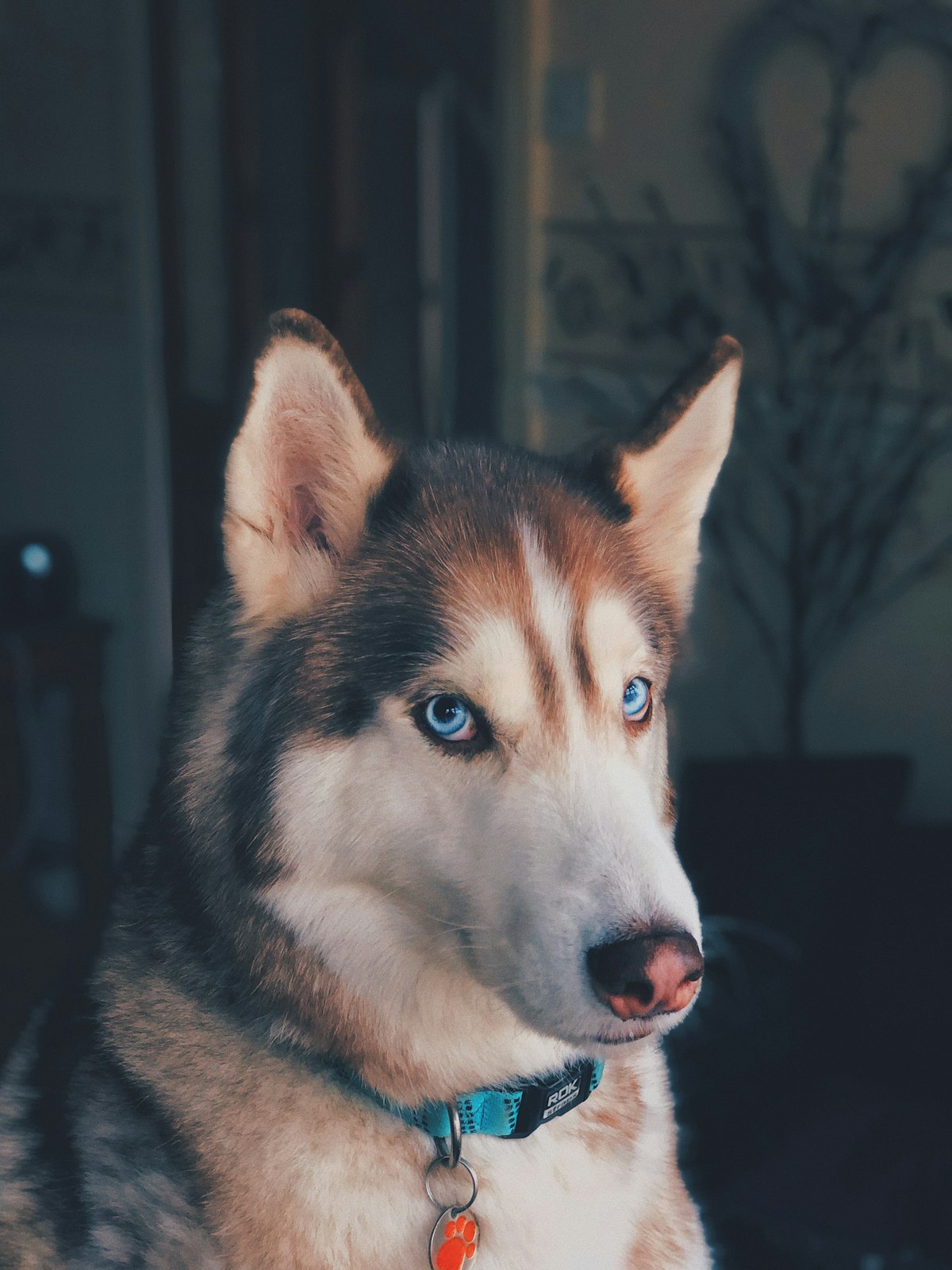
What Are Dog Walking Classes?
Dog walking classes are structured training sessions specifically designed to teach proper lead manners, walking etiquette, and outdoor behaviour management. Unlike general obedience classes, these sessions focus exclusively on the skills needed for successful walks, including loose lead walking, appropriate greetings with other dogs and people, recall training, and managing distractions in outdoor environments.
These classes typically take place in controlled outdoor settings such as parks, recreation grounds, or purpose-built training facilities with outdoor areas. Professional dog trainers guide groups of dogs and their owners through progressive exercises designed to build confidence, improve communication, and establish positive walking routines.
The group format offers unique advantages, as dogs learn to behave appropriately around other canines whilst maintaining focus on their owners. This social aspect is particularly valuable for dogs who become overexcited or reactive when encountering other dogs during walks.
Benefits of Professional Dog Walking Classes
Improved Lead Manners
The primary benefit of dog walking classes is developing proper lead manners. Many dogs naturally pull on the lead, viewing walks as an opportunity to explore at their own pace. Professional trainers teach positive reinforcement techniques that encourage dogs to walk beside their owners rather than dragging them down the street.
Socialisation Opportunities
Dog walking classes provide controlled socialisation experiences. Dogs learn to remain calm and focused even when other dogs are nearby, whilst owners gain confidence managing their pets in social situations. This controlled exposure helps prevent or reduce reactivity issues that can develop when dogs only encounter others unexpectedly during regular walks.
Real-World Training Environment
Unlike indoor training classes, dog walking sessions take place in the actual environments where you'll use these skills. Dogs learn to navigate real-world distractions such as traffic noise, other people, interesting smells, and various terrain types. This practical approach ensures the skills transfer effectively to your daily walks.
Owner Education
These classes aren't just about training dogs—they're equally focused on educating owners. You'll learn proper lead handling techniques, timing for rewards and corrections, reading your dog's body language, and understanding canine communication signals. This knowledge improves your overall relationship with your dog beyond just walking.
What to Expect in Dog Walking Classes
Initial Assessment
Most reputable dog walking classes begin with an assessment of your dog's current walking abilities and any specific challenges you're facing. Trainers will observe how your dog behaves on lead, their reaction to distractions, and their general temperament during outdoor activities.
Progressive Skill Building
Classes typically follow a structured progression, starting with basic lead acceptance for puppies or dogs new to walking, then advancing through loose lead walking, controlled greetings, recall training, and managing various environmental challenges. Each session builds upon previous learning to ensure solid skill development.
Group Dynamics Management
Professional trainers carefully manage group dynamics to ensure all participants can learn effectively. Dogs with similar skill levels or behavioural challenges are often grouped together, and trainers maintain appropriate spacing to prevent overwhelming reactive or nervous dogs whilst still providing socialisation benefits.
Homework and Practice
Expect to receive homework assignments and practice exercises to complete between sessions. Consistent practice outside of class time is essential for reinforcing new skills and ensuring long-term success.
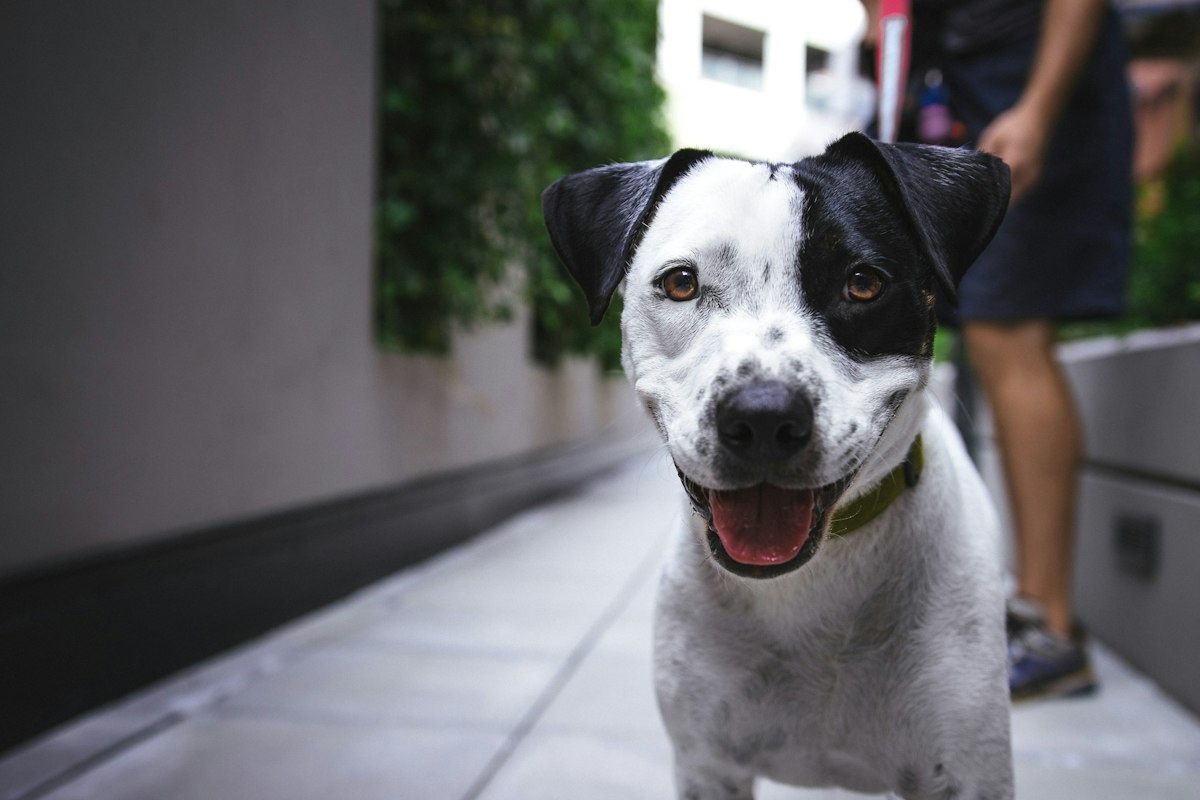
Types of Dog Walking Classes Available
Puppy Walking Classes
Specifically designed for puppies typically between 12-20 weeks old, these classes focus on introducing young dogs to lead walking, basic manners, and positive outdoor experiences. Puppy classes often incorporate play elements and shorter attention spans.
Adult Dog Lead Training
These classes cater to adult dogs who need to learn or improve their walking skills. They address common issues such as pulling, lunging at other dogs or people, and general over-excitement during walks.
Reactive Dog Walking Classes
Specialised classes for dogs who display reactive behaviours during walks, such as barking, lunging, or showing fear or aggression towards other dogs, people, or environmental triggers. These classes typically have smaller group sizes and focus heavily on behaviour modification techniques.
Advanced Walking Skills
For dogs who have mastered basic lead manners, advanced classes might cover off-lead walking in appropriate areas, competitive heelwork, or preparing for activities such as hiking or urban walking in busy environments.
Specific Breed Classes
Some trainers offer classes tailored to specific breed groups, recognising that different breeds may have unique challenges or requirements when it comes to walking and exercise.
Finding Dog Walking Classes in Your Area
Professional Trainer Directories
Start your search by consulting professional directories such as the Association of Pet Dog Trainers (APDT) or the Institute of Modern Dog Trainers (IMDT). These organisations maintain lists of qualified trainers across the UK who adhere to positive, science-based training methods.
Local Dog Training Schools
Many established dog training schools offer specialised walking classes alongside their general obedience programmes. These facilities often have the advantage of outdoor training areas and experienced instructors familiar with local environments and challenges.
Veterinary Recommendations
Your local veterinary practice is an excellent source of recommendations for reputable dog walking classes. Vets work closely with professional trainers and can suggest programmes suitable for your dog's age, health status, and temperament.
Council and Community Centres
Some local councils and community centres host dog training classes, including walking-specific sessions. These options are often more affordable and take place in local parks or recreation areas.
Online Search Strategies
When searching online, use specific terms such as "dog walking classes," "lead training," or "loose lead walking" combined with your location. Look for trainers who provide clear information about their qualifications, methods, and class structures.
Choosing the Right Dog Walking Class
Trainer Qualifications
Verify that potential trainers hold recognised qualifications from organisations such as the APDT, IMDT, or Kennel Club Good Citizen Dog Training Scheme. Qualified trainers should be happy to discuss their credentials and training philosophy.
Training Methods
Ensure the trainer uses positive, force-free methods. Avoid classes that rely on punishment, dominance theory, or equipment such as choke chains or prong collars. Modern dog training focuses on positive reinforcement and building positive associations with desired behaviours.
Class Size and Structure
Smaller class sizes typically provide better individual attention and learning outcomes. Ask about maximum class sizes and how the trainer manages different skill levels within the same group.
Safety Protocols
Inquire about safety measures, including vaccination requirements, how aggressive or reactive dogs are managed, and what protocols exist if incidents occur during class time.
Typical Pricing for Dog Walking Classes in the UK (2026)
| Class Type | Duration | Group Size | Price Range | Location Type |
|---|---|---|---|---|
| Puppy Walking (6 weeks) | 1 hour | 4-6 dogs | £120-180 | Outdoor park/facility |
| Adult Lead Training (6 weeks) | 1 hour | 4-8 dogs | £140-200 | Outdoor park/facility |
| Reactive Dog Classes (8 weeks) | 45 mins | 3-4 dogs | £200-280 | Controlled outdoor space |
| Advanced Walking Skills (4 weeks) | 1 hour | 6-8 dogs | £100-140 | Various outdoor locations |
| One-to-One Walking Training | 1 hour | Individual | £60-90 | Your local area |
| Assessment Session | 30 mins | Individual | £25-40 | Outdoor location |
Prices vary significantly based on location, trainer experience, and facilities. Urban areas typically command higher prices than rural locations.
Maximising Success in Dog Walking Classes
Preparation Before Classes
Ensure your dog is up-to-date with vaccinations and comfortable with basic handling. Practice short lead sessions at home to familiarise your dog with wearing a collar or harness and having a lead attached.
Consistent Attendance
Regular attendance is crucial for building skills and maintaining momentum. Dogs thrive on routine and consistency, so missing sessions can set back progress significantly.
Practice Between Sessions
Dedicate time between classes to practising the skills learned. Start with short sessions in low-distraction environments before gradually increasing difficulty as your dog's abilities improve.
Patience and Positive Attitude
Maintain realistic expectations and celebrate small improvements. Dogs learn at different rates, and some may need more time to master certain skills than others.
Questions to Ask Before Hiring a Dog Trainer for Walking Classes
- What qualifications and certifications do you hold from recognised UK organisations?
- What training methods do you use, and can you explain your philosophy?
- What is the maximum class size, and how do you manage different skill levels?
- What safety protocols do you have in place for group classes?
- Can you provide references from previous clients with similar challenges?
- What happens if my dog becomes reactive or overwhelmed during class?
- Do you offer make-up sessions if we miss a class due to illness or weather?
- What equipment do you recommend, and what should I bring to classes?
- How do you assess progress, and what ongoing support do you provide?
- Are there any dogs or situations where you would recommend individual training instead?
- What is your policy on refunds if the classes aren't suitable for my dog?
- Do you provide written materials or resources to support home practice?
Common Challenges in Dog Walking Classes
Over-Excitement
Some dogs become overstimulated in group environments, making it difficult to focus on training. Good trainers will help you manage this through gradual exposure and specific techniques for maintaining your dog's attention.
Fear or Anxiety
Nervous dogs may shut down or become overwhelmed in group settings. Professional trainers can adapt their approach to help build confidence gradually whilst ensuring the dog feels safe and secure.
Inconsistent Progress
Not all dogs progress at the same rate, and some may have setbacks during training. This is normal, and experienced trainers will adjust their approach to accommodate individual learning styles and challenges.
Weather Dependency
Outdoor classes can be affected by weather conditions. Look for trainers who have contingency plans for severe weather and can adapt sessions accordingly.
Frequently Asked Questions
How long does it typically take to see improvements in my dog's walking behaviour?
Most dogs show initial improvements within 2-3 weeks of consistent training, but significant changes usually become apparent after 4-6 weeks of regular classes and home practice. Complex behavioural issues may require longer-term commitment.
Can older dogs benefit from walking classes, or are they only suitable for puppies?
Dogs of all ages can benefit from professional walking classes. Whilst puppies may learn faster, older dogs are perfectly capable of learning new skills and breaking established habits with proper training and consistency.
What should I do if my dog is reactive to other dogs during walks?
If your dog shows reactivity, seek out specialised reactive dog walking classes rather than general group classes. These sessions have smaller groups, greater spacing between dogs, and trainers experienced in behaviour modification techniques.
Are dog walking classes suitable for all breeds and sizes?
Most walking classes accommodate dogs of all breeds and sizes, though some trainers may run separate sessions for small and large dogs for safety reasons. Discuss your dog's specific needs with potential trainers to ensure suitability.
What equipment will I need for dog walking classes?
Typically, you'll need a well-fitting collar or harness, a standard lead (not retractable), and high-value treats for rewards. Your trainer will provide specific equipment recommendations based on their methods and your dog's needs.
How do I know if group classes are better than individual training for walking issues?
Group classes are ideal for dogs who need socialisation and aren't severely reactive. Individual training may be better for dogs with significant behavioural issues, extreme anxiety, or complex training needs that require personalised attention.
Professional dog walking classes offer structured, expert-led training that can transform your daily walks from stressful struggles into enjoyable experiences. With proper instruction and consistent practice, most dogs can learn excellent lead manners and appropriate outdoor behaviour regardless of their age or previous training history.
Find a Dog Trainer Near You →
Search our free UK directory to find qualified, accredited dog trainers and behaviourists across the UK. Compare local professionals, read reviews and find the right trainer for your dog today.
Comments(0)