Dog Training Frustration UK 2026
Struggling with dog training frustration? Discover proven strategies to overcome common UK training challenges and find success with your dog.
Sarah

Dog Training Frustration UK 2026: Overcoming Common Challenges and Finding Success
Training your dog should be an enjoyable bonding experience, but for many dog owners across the UK, it can become a source of significant frustration. Whether you're dealing with a stubborn puppy who refuses to house train, an adolescent dog testing boundaries, or an older rescue with ingrained behavioural issues, dog training frustration is incredibly common and completely normal.
The good news is that most training challenges can be overcome with the right approach, patience, and sometimes professional guidance. Understanding why frustration occurs and how to work through it is crucial for maintaining a positive relationship with your four-legged companion whilst achieving your training goals.
Understanding Why Dog Training Frustration Occurs
Dog training frustration typically stems from unrealistic expectations, inconsistent methods, or simply not understanding how dogs learn. Many owners expect immediate results, particularly when dealing with basic commands or house training. However, dogs learn through repetition, positive reinforcement, and clear communication – processes that take time to establish.
Common triggers for training frustration include:
- Inconsistent progress: Your dog masters a command one day but seems to forget it the next
- Mixed signals: Different family members using different commands or rules
- Lack of immediate results: Expecting weeks of training to be undone in days
- Comparing your dog to others: Every dog learns at their own pace
- External pressures: Feeling judged by other dog owners or neighbours
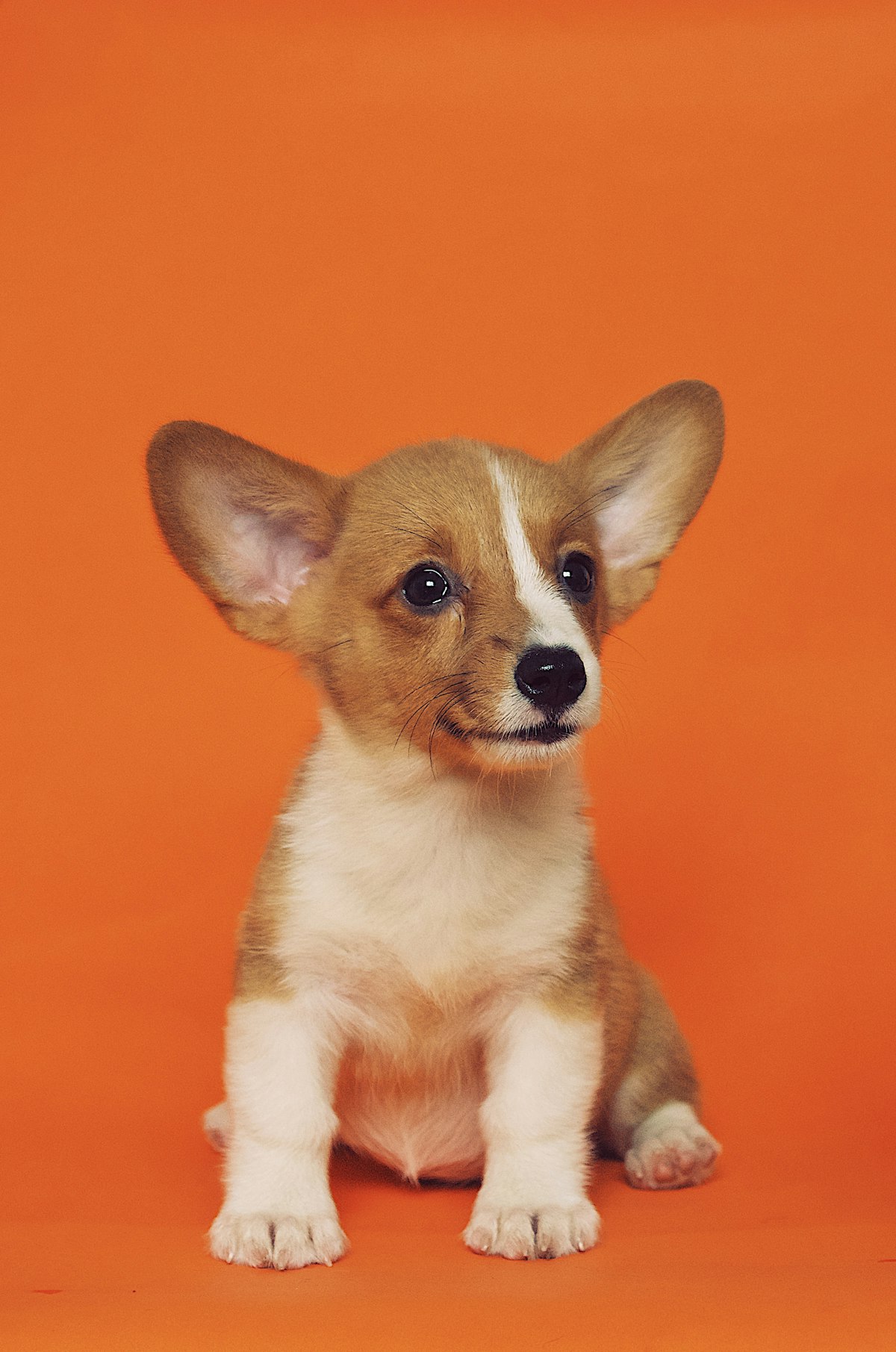
Common Sources of Dog Training Frustration in the UK
House Training Challenges
House training remains one of the biggest sources of frustration for UK dog owners. British weather doesn't help – frequent rain and cold temperatures can make outdoor toilet breaks less appealing for both dog and owner. Many people underestimate how long house training takes, expecting results within days rather than weeks or months.
Accidents in the home are particularly frustrating when they occur on carpets or furniture. The key is understanding that accidents are part of the learning process, not acts of defiance or spite.
Recall Problems
With the UK's emphasis on countryside walks and off-lead exercise, poor recall can be incredibly frustrating and potentially dangerous. Many owners feel embarrassed when their dog ignores them in front of other walkers or when their pet approaches other dogs uninvited.
Reactive Behaviour
Dog reactivity towards other dogs, people, or vehicles is increasingly common in urban UK areas. This behaviour can make walks stressful and limit where you can take your dog, leading to feelings of isolation and frustration for both owner and pet.
Adolescent Regression
Many UK dog owners experience particular frustration during their dog's adolescent phase (typically 6-18 months). Previously well-behaved puppies may suddenly seem to forget everything they've learned, testing boundaries and appearing selectively deaf to familiar commands.
The Psychology Behind Training Setbacks
Understanding why dogs seem to "forget" their training can help alleviate frustration. Dogs don't actually forget commands – rather, they may be distracted, overstimulated, or operating in a different emotional state than when they first learned the behaviour.
Several factors can affect your dog's ability to respond to training:
- Stress and anxiety: Anxious dogs struggle to focus and learn
- Distractions: New environments, smells, or sounds can overwhelm your dog
- Inconsistent reinforcement: Mixed messages confuse dogs and slow learning
- Physical discomfort: Pain or illness can affect behaviour and responsiveness
- Developmental stages: Puppies and adolescent dogs go through various learning phases
Practical Strategies for Overcoming Training Frustration
Set Realistic Expectations
Most basic obedience training takes 3-6 months to become reliable, whilst more complex behaviours or addressing behavioural issues can take much longer. House training typically takes 4-6 months for puppies and can take longer for adult dogs.
Accept that progress isn't always linear – your dog may have good days and bad days, just like humans learning new skills.
Maintain Consistency
Ensure all family members use the same commands, rewards, and rules. Create a household training plan that everyone follows, including visitors and dog walkers.
Focus on Positive Reinforcement
Force-free training methods recommended by organisations like the Association of Pet Dog Trainers (APDT) and the Institute of Modern Dog Trainers (IMDT) are not only more effective but also help maintain a positive relationship with your dog.
Reward good behaviour immediately and ignore or redirect unwanted behaviour rather than punishing it.
Break Training into Manageable Sessions
Short, frequent training sessions (5-10 minutes) are more effective than long, intensive ones. Dogs have limited attention spans, and ending sessions on a positive note helps maintain enthusiasm.
Address Your Own Stress
Dogs are incredibly sensitive to human emotions. If you're feeling frustrated, stressed, or angry, your dog will pick up on these feelings, which can hinder their ability to learn and respond positively.
Take breaks when you feel frustrated building up. Sometimes stepping away for a few minutes can reset both your mood and your dog's receptiveness to training.

When to Seek Professional Help
Recognising when you need professional support is crucial for overcoming persistent training frustration. Consider hiring a qualified dog trainer or behaviourist when:
- You've been working on an issue for several months without progress
- Your dog shows signs of aggression or fear-based behaviour
- Training problems are affecting your quality of life or relationship with your dog
- You feel consistently frustrated or stressed about training
- Your dog's behaviour poses safety risks to themselves or others
Professional trainers can provide fresh perspectives, identify issues you might have missed, and create tailored training plans for your specific situation.
Dog Training Costs in the UK (2026)
| Training Type | Cost Range | Duration | Description |
|---|---|---|---|
| Puppy Classes | £80-£150 | 4-6 weeks | Group socialisation and basic obedience |
| Adult Dog Classes | £90-£180 | 6-8 weeks | Basic obedience and problem-solving |
| Private Sessions | £45-£85 per hour | As needed | One-to-one training for specific issues |
| Intensive Programmes | £300-£800 | 2-4 weeks | Comprehensive training for complex problems |
| Behavioural Consultation | £80-£150 | 1-2 hours | Assessment and treatment plan for behavioural issues |
| Online Training | £30-£120 | Self-paced | Video courses and virtual support |
Prices vary significantly based on location, trainer qualifications, and specific requirements
Building a Support Network
Training frustration can feel isolating, but remember that most dog owners experience similar challenges. Building a support network can provide encouragement, practical advice, and reassurance that you're not alone.
Consider joining local dog training classes, online communities, or breed-specific groups. The Kennel Club and Dogs Trust offer resources and can connect you with local groups and events.
Sharing experiences with other dog owners can provide valuable insights and remind you that training challenges are temporary and surmountable.
Preventing Future Frustration
Once you've overcome initial training frustration, maintaining your dog's skills and preventing future problems requires ongoing attention:
Regular Practice
Even well-trained dogs need regular practice to maintain their skills. Incorporate training into daily routines rather than viewing it as separate sessions.
Continued Learning
Stay informed about modern training techniques and canine behaviour. Attend refresher classes or workshops to keep your skills sharp and learn new approaches.
Environmental Management
Set your dog up for success by managing their environment. Use baby gates, leads, and other tools to prevent problematic behaviours rather than constantly correcting them.
Health Monitoring
Regular veterinary check-ups ensure that behavioural changes aren't related to underlying health issues that could affect training success.
Questions to Ask Before Hiring a Dog Trainer
When training frustration becomes overwhelming, professional help can make all the difference. Use this checklist when selecting a dog trainer:
- Are they accredited by recognised organisations (APDT, IMDT, CCPDT)?
- Do they use positive, force-free training methods?
- Can they provide references from previous clients?
- Do they offer a consultation to assess your dog's specific needs?
- Are they insured and police-checked (DBS)?
- Do they continue their education with ongoing training courses?
- Can they explain their training methods clearly?
- Do they provide follow-up support after formal training ends?
- Are their fees transparent with no hidden costs?
- Do they have experience with your dog's specific breed or issues?
Frequently Asked Questions
How long should I expect dog training to take?
Basic obedience training typically takes 3-6 months to become reliable, but this varies greatly depending on your dog's age, previous experience, and the complexity of behaviours you're teaching. House training can take 4-6 months for puppies and longer for adult dogs. More complex behavioural issues may require ongoing management and training for several months or even years.
Is it normal to feel frustrated during dog training?
Absolutely. Training frustration is incredibly common and completely normal. Most dog owners experience periods of frustration, particularly during the puppy phase or when dealing with behavioural issues. The key is recognising these feelings and taking steps to address them rather than letting them escalate.
Should I continue training when I'm feeling frustrated?
No, it's best to take a break when you're feeling frustrated. Dogs are sensitive to human emotions and can become stressed or confused when their owners are upset. Step away, take some deep breaths, and return to training when you're feeling calmer and more positive.
Can older dogs still be trained if they have bad habits?
Yes, dogs can learn new behaviours at any age. While it may take longer to modify well-established habits in older dogs, with patience, consistency, and the right approach, significant improvements are definitely possible. Many rescue dogs successfully learn new behaviours well into their senior years.
When should I consider switching training methods?
If you've been consistent with a training method for several weeks without seeing progress, it may be time to try a different approach. However, ensure you're giving methods enough time to work and that you're applying them correctly. Consider consulting a professional trainer who can assess whether your current method is appropriate for your dog's specific needs.
How can I stay motivated during difficult training periods?
Keep a training journal to track progress – small improvements can be easy to forget when you're focused on remaining challenges. Celebrate small victories, connect with other dog owners for support, and remember that most training issues are temporary phases that will improve with time and consistency.
Training your dog requires patience, consistency, and realistic expectations. While frustration is a normal part of the journey, understanding why it occurs and having strategies to overcome it can transform your training experience from stressful to enjoyable. Remember that every dog learns at their own pace, and with the right approach, you can build a strong, positive relationship with your canine companion.
Find a Dog Trainer Near You →
Search our free UK directory to find qualified, accredited dog trainers and behaviourists across the UK. Compare local professionals, read reviews and find the right trainer for your dog today.
Comments(0)