Dog Swimming UK 2026
Comprehensive guide to dog swimming in UK 2026. Find facilities, costs, benefits & safety tips for canine hydrotherapy and recreational swimming.
Sarah

Dog Swimming UK 2026: The Complete Guide to Canine Hydrotherapy and Water Activities
Swimming isn't just a fantastic form of exercise for humans – it's equally beneficial for our four-legged friends. As we move into 2026, dog swimming in the UK has evolved from a niche activity to a mainstream wellness practice, with dedicated canine hydrotherapy centres, dog-friendly beaches, and swimming facilities opening across the country. Whether your dog needs rehabilitation therapy, weight management, or simply loves splashing about, this comprehensive guide covers everything you need to know about dog swimming in the UK.
What Is Dog Swimming and Hydrotherapy?
Dog swimming encompasses both recreational water activities and therapeutic hydrotherapy sessions. Recreational swimming allows dogs to enjoy natural water bodies or specially designed pools for exercise and fun. Hydrotherapy, on the other hand, is a structured therapeutic approach using water's properties to aid rehabilitation, build strength, and manage various health conditions.
Canine hydrotherapy has gained significant recognition from UK veterinary professionals and is often recommended as part of treatment plans for conditions ranging from arthritis to post-surgical recovery. The buoyancy of water reduces stress on joints whilst providing resistance for muscle strengthening – making it an ideal low-impact exercise option.
The Dogs Trust and other leading UK animal welfare organisations have recognised the benefits of controlled swimming programmes, particularly for overweight dogs and those with mobility issues. Many veterinary practices now work closely with certified canine hydrotherapists to provide comprehensive care packages.

Professional canine hydrotherapy facilities provide safe, controlled environments for therapeutic swimming sessions
Benefits of Dog Swimming
Physical Health Benefits
Swimming provides exceptional cardiovascular exercise whilst being gentle on joints and bones. The water's buoyancy supports up to 80% of your dog's body weight, making movement easier for dogs with arthritis, hip dysplasia, or other joint conditions. Regular swimming sessions can improve muscle tone, increase flexibility, and enhance overall fitness levels.
For overweight dogs, swimming burns calories efficiently without putting additional strain on already stressed joints. The resistance provided by water means dogs work harder than they would during a typical walk, making it an excellent weight management tool.
Mental Health and Wellbeing
Many dogs find swimming mentally stimulating and enjoyable. The sensory experience of water, combined with the physical challenge, can help reduce anxiety and provide mental enrichment. Swimming can be particularly beneficial for high-energy breeds that struggle to get sufficient exercise through traditional walks alone.
Therapeutic Applications
Veterinary professionals frequently recommend hydrotherapy for:
- Post-surgical rehabilitation
- Arthritis management
- Spinal injuries
- Muscle wastage
- Neurological conditions
- Chronic pain management
Types of Dog Swimming Facilities in the UK
Professional Hydrotherapy Centres
These specialised facilities offer heated pools, qualified hydrotherapists, and tailored treatment programmes. Most centres require veterinary referrals and conduct thorough assessments before beginning treatment. They typically feature:
- Temperature-controlled pools (usually 28-30°C)
- Non-slip surfaces and ramps
- Underwater treadmills
- Qualified canine hydrotherapists
- Changing and drying facilities
Dog Swimming Pools
Recreational dog swimming pools have become increasingly popular across the UK. These facilities focus on fun and fitness rather than medical treatment, though many still maintain high safety standards. They often offer:
- Open swimming sessions
- Swimming lessons for nervous dogs
- Birthday parties and group bookings
- Training classes in water
Natural Water Bodies
The UK boasts numerous dog-friendly beaches, lakes, and rivers where dogs can swim safely. Popular locations include:
- Cornish beaches during off-peak seasons
- Lake District tarns and lakes
- Scottish lochs
- Designated areas of rivers and reservoirs
Dog Swimming UK: Costs and Pricing Guide 2026
Understanding the costs associated with dog swimming helps you budget appropriately and choose the right service for your needs. Prices vary significantly based on location, facility type, and services provided.
| Service Type | Session Duration | Average Cost (2026) | Package Options |
|---|---|---|---|
| Hydrotherapy Assessment | 45-60 minutes | £45-65 | Often included in first session |
| Individual Hydrotherapy Session | 30 minutes | £35-50 | 6 sessions: £180-270 |
| Hydrotherapy Block Booking | 30 minutes each | £30-40 per session | 12 sessions: £320-450 |
| Recreational Swimming | 30-45 minutes | £15-25 | Monthly membership: £60-90 |
| Swimming Lessons (Group) | 45 minutes | £20-30 | 4-week course: £70-110 |
| Swimming Lessons (1-to-1) | 30 minutes | £35-45 | 4 sessions: £120-160 |
| Pool Hire (Private) | 60 minutes | £80-120 | Includes up to 4 dogs |
Prices vary by location, with London and South East facilities typically charging 20-30% above national averages
Finding the Right Dog Swimming Facility
Location and Accessibility
Consider facilities within reasonable travelling distance, as stressed dogs don't benefit as much from swimming sessions. Look for centres with adequate parking and easy access, particularly if your dog has mobility issues.
Qualifications and Accreditation
Ensure hydrotherapists hold recognised qualifications from organisations such as:
- National Association of Registered Canine Hydrotherapists (NARCH)
- Canine Hydrotherapy Association (CHA)
- National Board of Animal Physiotherapy (NBAP)
For recreational facilities, check that staff have appropriate water safety training and canine first aid qualifications.
Facility Standards
High-quality facilities should maintain:
- Clean, properly filtered water
- Appropriate water temperature
- Non-slip surfaces
- Emergency equipment
- Regular health and safety inspections
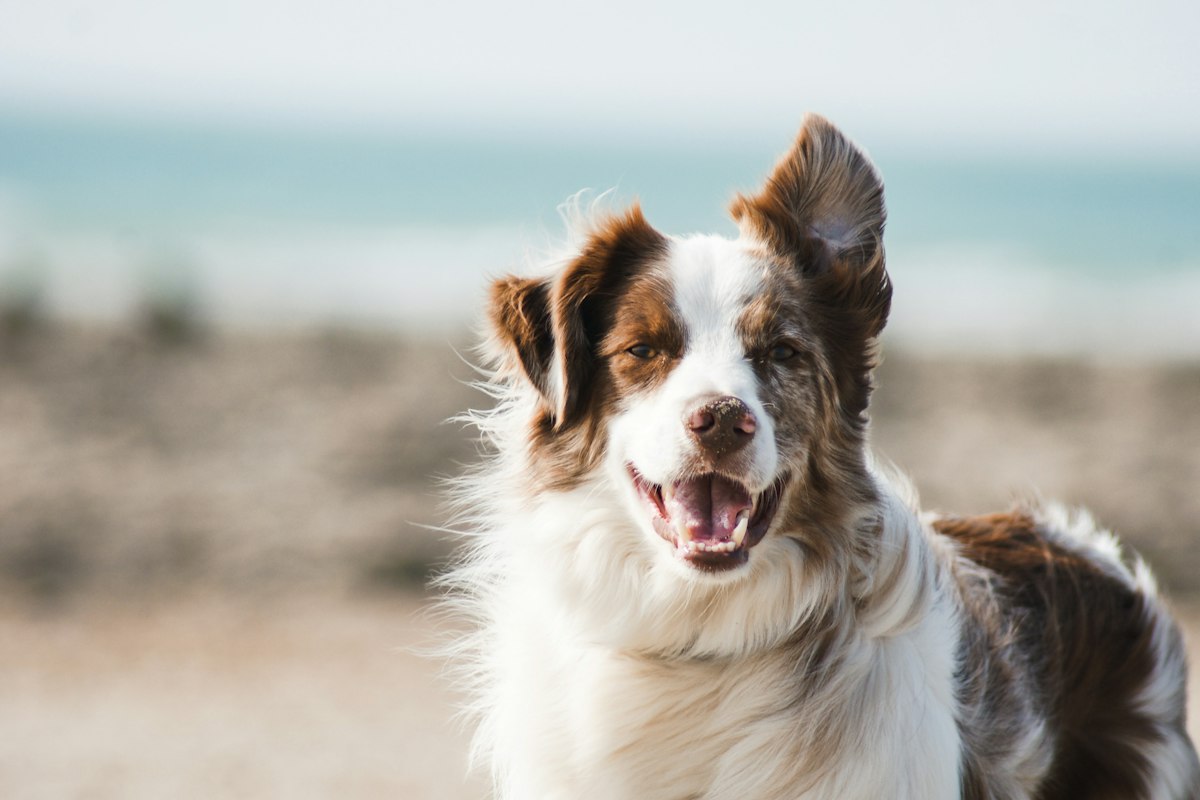
Natural swimming environments provide excellent recreational opportunities for water-loving dogs
Preparing Your Dog for Swimming
Initial Assessment
Before starting any swimming programme, consult your veterinarian, especially if your dog has health conditions. Some dogs may not be suitable candidates for swimming due to certain medical conditions or physical limitations.
Building Water Confidence
Not all dogs are natural swimmers. Gradual introduction is key:
- Start with shallow water paddling
- Use positive reinforcement and treats
- Allow your dog to progress at their own pace
- Consider professional swimming lessons for anxious dogs
- Never force a reluctant dog into water
Safety Considerations
Always prioritise safety during swimming sessions:
- Supervise your dog at all times
- Use appropriate flotation devices if recommended
- Check water conditions and currents in natural environments
- Be aware of blue-green algae warnings
- Rinse your dog after swimming in salt water or chlorinated pools
UK Regulations and Guidelines
Health and Safety Requirements
Commercial dog swimming facilities must comply with various regulations:
- Health and Safety at Work Act requirements
- Public liability insurance
- Water quality testing and maintenance
- Staff training and certification
- Emergency procedures and equipment
Local Authority Licensing
Many councils require licensing for commercial dog swimming operations. Check that facilities hold appropriate licences and undergo regular inspections.
Regional Variations Across the UK
England
England offers the widest variety of dog swimming options, from Cornwall's dog-friendly beaches to the Lake District's natural swimming areas. Major cities like London, Manchester, and Birmingham have seen significant growth in indoor facilities.
Scotland
Scotland's abundant lochs provide excellent natural swimming opportunities. However, always check access rights and seasonal restrictions. Professional hydrotherapy centres are concentrated around major population centres.
Wales
Welsh coastal areas offer superb beach swimming, whilst inland reservoirs and rivers provide freshwater alternatives. The Welsh Government has been supportive of canine hydrotherapy as part of veterinary care.
Northern Ireland
Though smaller in scale, Northern Ireland has developed quality hydrotherapy facilities, particularly around Belfast. The province's lakes and coastal areas offer good natural swimming opportunities.
Checklist: Questions to Ask Before Hiring a Dog Swimming Trainer or Facility
- What qualifications do your hydrotherapists/instructors hold?
- Can you provide references from veterinarians who refer to you?
- What is your policy on dogs with behavioural issues or medical conditions?
- How do you ensure water quality and safety standards?
- What emergency procedures do you have in place?
- Do you require veterinary referrals or health certificates?
- What is your policy on cancellations and missed sessions?
- Can you provide a tour of the facilities before booking?
- What changing and drying facilities do you provide?
- Do you offer initial assessments to determine suitability?
- How do you handle dogs that are nervous around water?
- What insurance coverage do you maintain?
Building a Swimming Routine
Frequency and Duration
Most dogs benefit from 1-2 swimming sessions per week, though this varies based on fitness levels, age, and health status. Sessions typically last 15-30 minutes for recreational swimming, with hydrotherapy sessions often being shorter but more intensive.
Seasonal Considerations
Indoor facilities operate year-round, but natural water swimming is seasonal in most UK locations. Summer months provide the best conditions for outdoor swimming, though hardy breeds may enjoy winter sea swimming with proper preparation.
Integration with Training
Swimming can complement traditional dog training by:
- Building confidence and trust
- Providing mental stimulation
- Creating positive associations with following instructions
- Developing impulse control around exciting activities
Common Challenges and Solutions
Water-Shy Dogs
Some dogs need significant encouragement to enter water. Patient, gradual exposure combined with high-value rewards usually succeeds. Professional swimming instructors experienced with nervous dogs can be invaluable.
Overexcitement
Water-loving dogs may become overstimulated, leading to unsafe behaviour. Teaching calm entry and exit routines, along with impulse control exercises, helps manage enthusiasm safely.
Health Monitoring
Watch for signs of fatigue, including excessive panting, difficulty climbing out, or reluctance to continue. Dogs can tire quickly in water, and hypothermia is a risk in cooler conditions.
Future Trends in UK Dog Swimming
Technology Integration
2026 has seen increased use of underwater cameras for gait analysis, heart rate monitoring during sessions, and apps for tracking progress. These technological advances help optimise therapy programmes and demonstrate improvements to owners and veterinarians.
Insurance Recognition
More pet insurance policies now cover hydrotherapy when veterinary-prescribed, making treatment accessible to a broader range of dog owners. This trend is expected to continue expanding access to therapeutic swimming.
Specialised Programmes
Facilities increasingly offer targeted programmes for specific conditions, age groups, or breeds. Puppy swimming classes, senior dog sessions, and breed-specific programmes are becoming more common.
Frequently Asked Questions
How old should my dog be before starting swimming?
Puppies can generally start swimming around 4-5 months old, once they've completed their vaccination programme. However, very young puppies shouldn't swim until their immune systems are fully developed. Senior dogs can benefit greatly from swimming, though they may need shorter, gentler sessions. Always consult your veterinarian before starting any swimming programme, regardless of your dog's age.
Is swimming safe for dogs with joint problems?
Swimming is often highly beneficial for dogs with joint issues like arthritis or hip dysplasia. The water's buoyancy reduces stress on joints whilst providing gentle resistance for muscle strengthening. However, water temperature and session length need careful management. Professional hydrotherapy under veterinary guidance is recommended for dogs with diagnosed joint conditions.
How often should my dog swim for optimal benefits?
For recreational swimming, 1-2 sessions per week typically provide good fitness benefits without overexertion. Therapeutic hydrotherapy sessions are usually prescribed by veterinary professionals and may range from twice weekly during intensive rehabilitation to monthly maintenance sessions. The key is consistency rather than frequency – regular, moderate swimming is more beneficial than occasional intensive sessions.
What should I do if my dog seems afraid of water?
Never force a fearful dog into water, as this can create lasting negative associations. Start with shallow paddling areas and use positive reinforcement to create pleasant water experiences. Professional swimming instructors experienced with nervous dogs can provide structured confidence-building programmes. Some dogs may never become comfortable with swimming, and this should be respected.
Can all dog breeds swim naturally?
Whilst most dogs can learn to swim, some breeds face significant challenges due to their physical structure. Brachycephalic breeds (flat-faced dogs like Bulldogs and Pugs) may struggle due to breathing difficulties, whilst dogs with heavy, muscular builds or short legs may tire quickly. Breeds like Newfoundlands and Labradors are natural swimmers, but even they benefit from proper introduction and supervision.
How much does dog swimming cost in the UK?
Costs vary significantly based on location and service type. Recreational swimming sessions typically cost £15-25 for 30-45 minutes, whilst professional hydrotherapy ranges from £35-50 per session. Block bookings often offer better value, and some facilities provide monthly membership options. London and South East locations generally charge 20-30% above national averages.
Dog swimming in the UK continues to grow as both a recreational activity and therapeutic treatment option, with facilities and expertise expanding rapidly across all regions. Whether seeking rehabilitation support or simply wanting to provide your dog with enjoyable exercise, the UK now offers excellent options for every need and budget.
Find a Dog Trainer Near You →
Search our free UK directory to find qualified, accredited dog trainers and behaviourists across the UK. Compare local professionals, read reviews and find the right trainer for your dog today.
Comments(0)