Dog Play Behaviour UK 2026
Expert guide to understanding dog play behaviour in the UK. Learn signs of healthy play, when to intervene & find qualified trainers near you.
Sarah

Understanding Dog Play Behaviour UK 2026: A Complete Guide for Pet Owners
Understanding your dog's play behaviour is crucial for ensuring they develop healthy social skills, maintain good physical condition, and enjoy a balanced emotional life. In the UK, where dog ownership continues to flourish with over 13 million pet dogs, recognising the difference between healthy play and potential problems has become increasingly important for responsible pet owners.
Dog play behaviour encompasses a wide range of activities, from the enthusiastic romping between puppies to the more structured interactions between adult dogs. However, not all dog interactions constitute healthy play, and misunderstanding these behaviours can lead to stress, anxiety, or even aggression in our canine companions.
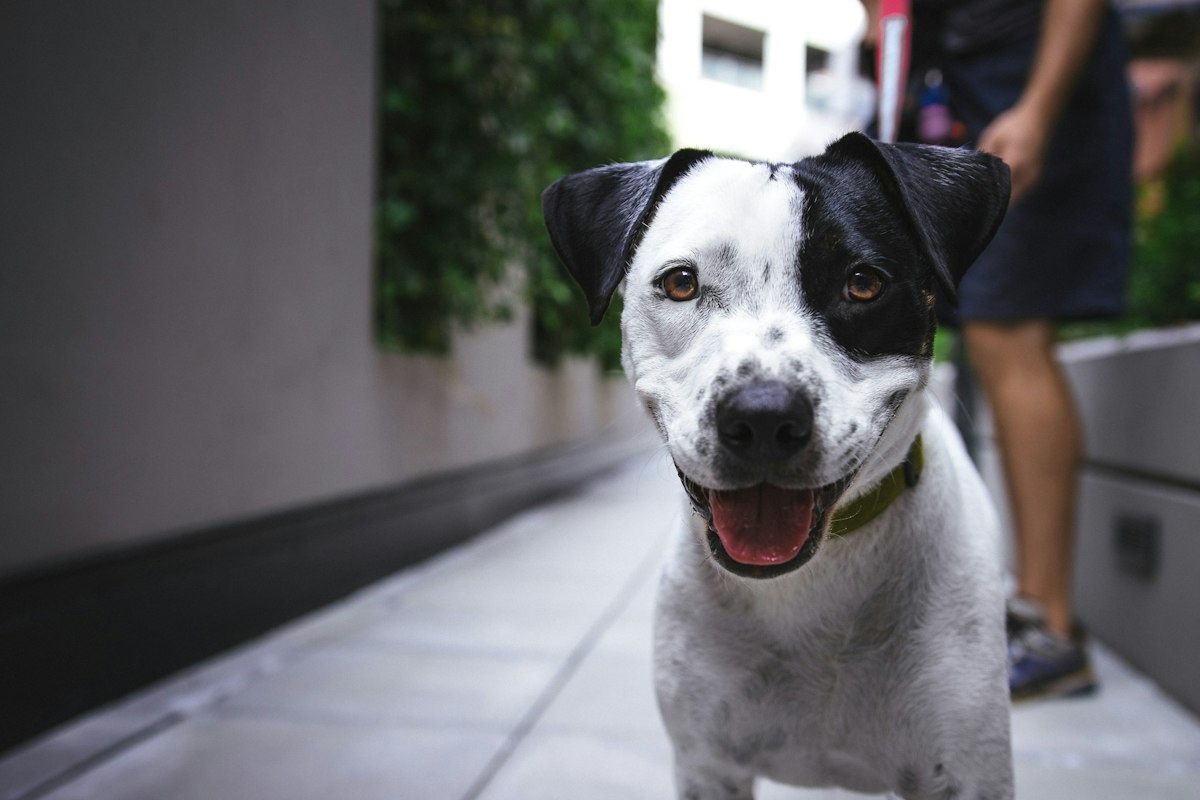
What Constitutes Healthy Dog Play Behaviour?
Healthy dog play behaviour is characterised by several key elements that distinguish it from aggressive or problematic interactions. Understanding these characteristics helps UK dog owners recognise when their pets are engaging in beneficial social activities.
Key Characteristics of Positive Play
Reciprocal interaction forms the foundation of healthy dog play. Both dogs should be actively participating, with neither consistently dominating or withdrawing from the interaction. You'll observe dogs taking turns being the chaser and the chased, or alternating between being on top during wrestling matches.
Body language remains relaxed throughout positive play sessions. Dogs maintain loose, wiggly body postures with play bows, bouncy movements, and frequent position changes. Their mouths often appear slightly open in a relaxed manner, and their tails typically wag in a loose, natural motion.
Voluntary engagement is another crucial indicator. Both dogs should appear willing participants who can easily disengage when they choose to. If one dog consistently tries to leave whilst the other pursues relentlessly, this indicates problematic behaviour rather than healthy play.
Self-handicapping behaviour often occurs during positive play, where larger or more dominant dogs deliberately restrain themselves to match their play partner's energy level or physical capabilities. This demonstrates emotional intelligence and social awareness.
Warning Signs of Problematic Play
Several behaviours indicate when play has crossed the line into potentially problematic territory. Persistent mounting, excessive rough play without breaks, or one dog consistently pinning another without role reversal suggests the interaction has become unbalanced.
Stress signals such as excessive panting, drooling, or attempts to hide behind owners indicate a dog is overwhelmed. Similarly, if a dog's body becomes stiff, their tail stops wagging, or they begin showing whale eye (showing the whites of their eyes), intervention is necessary.
Escalating intensity without natural breaks suggests dogs are becoming overstimulated. Healthy play includes regular pauses where dogs naturally separate, sniff around, or engage in brief displacement behaviours before resuming play.
Age-Appropriate Play Behaviour Patterns
Dog play behaviour varies significantly across different life stages, and understanding these variations helps UK pet owners provide appropriate socialisation opportunities and identify when professional guidance might be beneficial.
Puppy Play Behaviour (8-16 weeks)
Puppies engage in exploratory play that focuses heavily on investigating their environment and learning social cues from other dogs. Their play tends to be more mouthy, with frequent nipping and wrestling as they develop bite inhibition and learn boundaries.
During this crucial socialisation period, puppies benefit from controlled interactions with well-socialised adult dogs who can teach appropriate behaviour. The Kennel Club emphasises the importance of puppy socialisation classes during this developmental window.
Puppy play sessions should be brief but frequent, as young dogs tire quickly and can become overstimulated. Sessions lasting 10-15 minutes with regular rest breaks prove most beneficial for learning and development.
Adolescent Dog Play (4-18 months)
Adolescent dogs often display increased energy and sometimes challenging behaviour as they navigate hormonal changes and continued brain development. Their play may become more intense or persistent, requiring careful supervision and management.
This life stage frequently sees the emergence of resource guarding behaviours or testing of boundaries with other dogs. Professional guidance from APDT or IMDT accredited trainers can prove invaluable during this period.
Adult Dog Play Behaviour
Adult dogs typically develop more refined play styles and clearer preferences for certain types of interactions or specific play partners. Some prefer chase games, others enjoy wrestling, whilst some favour gentle social interaction over vigorous play.
Mature dogs often serve as excellent teachers for younger dogs, naturally regulating play intensity and providing social feedback. However, not all adult dogs enjoy puppy energy, and respecting these preferences prevents stress and potential conflicts.
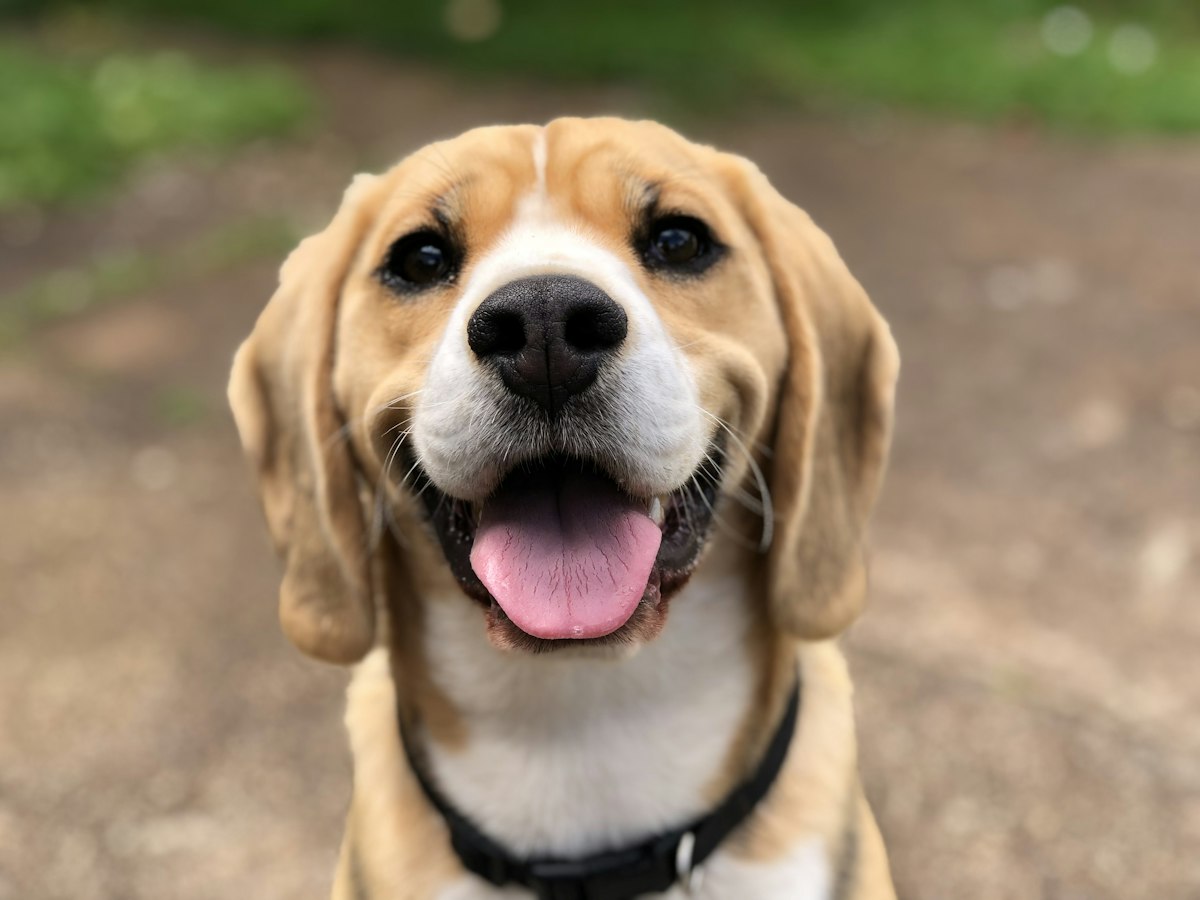
Senior Dog Considerations
Senior dogs may experience reduced play drive due to physical limitations, sensory changes, or decreased energy levels. Their play preferences often shift towards gentler, less physically demanding interactions.
Accommodating senior dogs' changing needs whilst maintaining social enrichment requires careful observation and possibly seeking advice from canine behaviour professionals who understand age-related changes.
Environmental Factors Affecting Play Behaviour
The environment significantly influences how dogs interact and play together. UK dog owners must consider various environmental factors when facilitating positive play experiences for their pets.
Space Considerations
Adequate space allows dogs to engage in natural chase behaviours and provides escape routes when dogs need breaks from interaction. Cramped environments can increase stress and lead to defensive behaviours that interfere with healthy play.
Outdoor spaces like secure dog parks or private gardens offer ideal environments for energetic play, whilst indoor spaces work better for gentler interactions or when weather conditions prevent outdoor activities.
Surface and Terrain
Different surfaces affect play behaviour significantly. Grass provides excellent traction and cushioning for vigorous play, whilst hard surfaces like concrete can increase injury risk and may inhibit natural play behaviours.
Uneven terrain adds mental stimulation but requires consideration of all dogs' physical capabilities. Ensuring safe footing prevents injuries and allows dogs to focus on social interaction rather than navigation challenges.
Weather Considerations
UK weather patterns significantly impact outdoor play opportunities. Wet conditions can make dogs more slippery and potentially increase play intensity as dogs compensate for reduced traction. Hot weather requires careful monitoring to prevent overheating, whilst cold conditions may require shorter play sessions for some breeds.
Training and Managing Play Behaviour
Effective management of dog play behaviour requires understanding, preparation, and often professional guidance. Many UK dog owners benefit from working with qualified trainers who can provide personalised advice for their specific situations.
Teaching Appropriate Play Boundaries
Training dogs to respond to recall commands during play situations ensures owners can intervene when necessary. This requires gradual training, starting with low-distraction environments and progressively increasing difficulty as dogs master the skills.
Teaching "wait" or "settle" commands helps dogs learn to take breaks during play sessions, preventing overstimulation and maintaining positive interactions. Regular practice of these commands outside play contexts improves reliability when needed most.
Recognising When to Intervene
Successful intervention requires timing and technique. Brief distractions often work better than forceful separation, which can increase arousal and potentially redirect onto other dogs or people.
Creating positive interruptions through recall training or offering alternative activities helps redirect energy constructively rather than simply stopping unwanted behaviour.
Professional Training Costs in the UK (2026)
| Service Type | Session Length | Typical Cost Range | Notes |
|---|---|---|---|
| Puppy Socialisation Classes | 60 minutes | £15-30 per session | Group sessions, 6-8 week courses |
| One-to-One Behaviour Consultation | 90 minutes | £75-150 | Initial assessment and plan |
| Group Training Classes | 60 minutes | £20-40 per session | Ongoing weekly sessions |
| Dog Park Supervision Training | 60 minutes | £50-80 | Specialised play behaviour focus |
| Intensive Day Training | 6-8 hours | £300-500 | Full day with professional trainer |
| Online Behaviour Consultation | 45 minutes | £45-80 | Video call assessment and advice |
Prices vary significantly based on trainer qualifications, location, and specific services required. Always verify trainer credentials through APDT, IMDT, or similar recognised organisations.
Questions to Ask Before Hiring a Dog Trainer
When seeking professional help with dog play behaviour issues, asking the right questions ensures you find a qualified trainer who uses appropriate methods:
- What qualifications and certifications do you hold from recognised organisations (APDT, IMDT, CCPDT)?
- Do you specialise in canine social behaviour and play interactions?
- What training methods do you use, and do you commit to positive, force-free approaches?
- Can you provide references from clients with similar play behaviour concerns?
- How do you assess individual dogs' play styles and social preferences?
- What ongoing support do you provide after initial training sessions?
- Are you insured for professional liability and public liability?
- How do you stay current with developments in canine behaviour science?
- What is your approach to working with multiple dogs or reactive dogs?
- Can you provide a clear training plan with measurable objectives?
- What emergency protocols do you follow during training sessions?
- Do you offer follow-up support if issues arise after training completion?
Frequently Asked Questions About Dog Play Behaviour
How can I tell if my dog's play is too rough?
Rough play becomes problematic when one dog consistently dominates without role reversal, when dogs cannot self-regulate their intensity, or when stress signals appear. Look for tense body language, persistent mounting, or one dog trying to escape whilst the other continues pursuing. Healthy play includes natural breaks and both dogs remaining engaged willingly.
Should I intervene when dogs are playing?
Light supervision is appropriate, but constant intervention prevents dogs from learning social skills. Intervene only when play becomes unbalanced, stress signals appear, or safety concerns arise. Teaching reliable recall commands allows you to redirect dogs when necessary without physically separating them, which can increase arousal.
Why does my dog play differently with different dogs?
Dogs develop individual play styles and preferences, just like humans have different friendship dynamics. Some dogs prefer gentle social contact whilst others enjoy vigorous wrestling. Age, size, energy level, and past experiences all influence how dogs interact. This variation is normal and healthy.
Can all dogs learn to play appropriately with others?
Most dogs can learn appropriate play behaviour with proper socialisation and guidance, though individual personalities vary significantly. Some dogs prefer human interaction over dog play, whilst others are naturally more social. Dogs with negative past experiences may require professional help to develop confidence and appropriate social skills.
What should I do if my dog doesn't seem interested in playing with other dogs?
Not all dogs are naturally social or playful, and this is perfectly normal. Some dogs prefer human company, solo activities, or gentle social contact rather than active play. Respect your dog's preferences whilst ensuring they receive adequate mental and physical stimulation through other activities. If sudden changes in social behaviour occur, consult your veterinarian to rule out health issues.
How do I introduce my dog to new play partners safely?
Introduce dogs in neutral territory rather than in either dog's home environment. Allow them to see each other from distance initially, then gradually decrease space if body language remains positive. Keep initial meetings brief and positive, allowing dogs to disengage naturally. Avoid forcing interactions and watch for stress signals from either dog.
Understanding dog play behaviour requires patience, observation, and often professional guidance. By recognising the signs of healthy play versus problematic interactions, UK dog owners can provide their pets with enriching social experiences that contribute to their overall wellbeing. Remember that every dog is an individual with unique social preferences and needs.
Find a Dog Trainer Near You →
Search our free UK directory to find qualified, accredited dog trainers and behaviourists across the UK. Compare local professionals, read reviews and find the right trainer for your dog today.
Comments(0)