Dog Nutrition and Training UK
Discover how proper dog nutrition supports successful training in the UK. Expert guidance on feeding, treats, and working with professional trainers.
Sarah

Dog Nutrition and Training UK: The Essential Connection for Optimal Canine Development
The relationship between proper nutrition and successful dog training is far more significant than many pet owners realise. What your dog eats directly impacts their ability to learn, focus, and respond to training commands. Understanding dog nutrition and training UK standards can transform your approach to raising a well-behaved, healthy companion.
Modern canine science has revealed that nutrition affects everything from cognitive function to energy levels, making it a crucial component of any comprehensive training programme. Professional dog trainers across the UK increasingly emphasise the importance of proper diet alongside traditional training methods, recognising that a well-nourished dog is simply easier to train.
Understanding the Nutrition-Training Connection
Dogs require specific nutrients to support optimal brain function and learning capacity. Just as children need proper nutrition for cognitive development, puppies and adult dogs benefit enormously from diets that support neurological health and sustained energy levels.
The brain consumes approximately 20% of a dog's daily energy requirements, making glucose availability crucial for concentration and learning. When blood sugar levels fluctuate dramatically due to poor diet choices, dogs may struggle with focus, exhibit hyperactive behaviour, or become lethargic during training sessions.
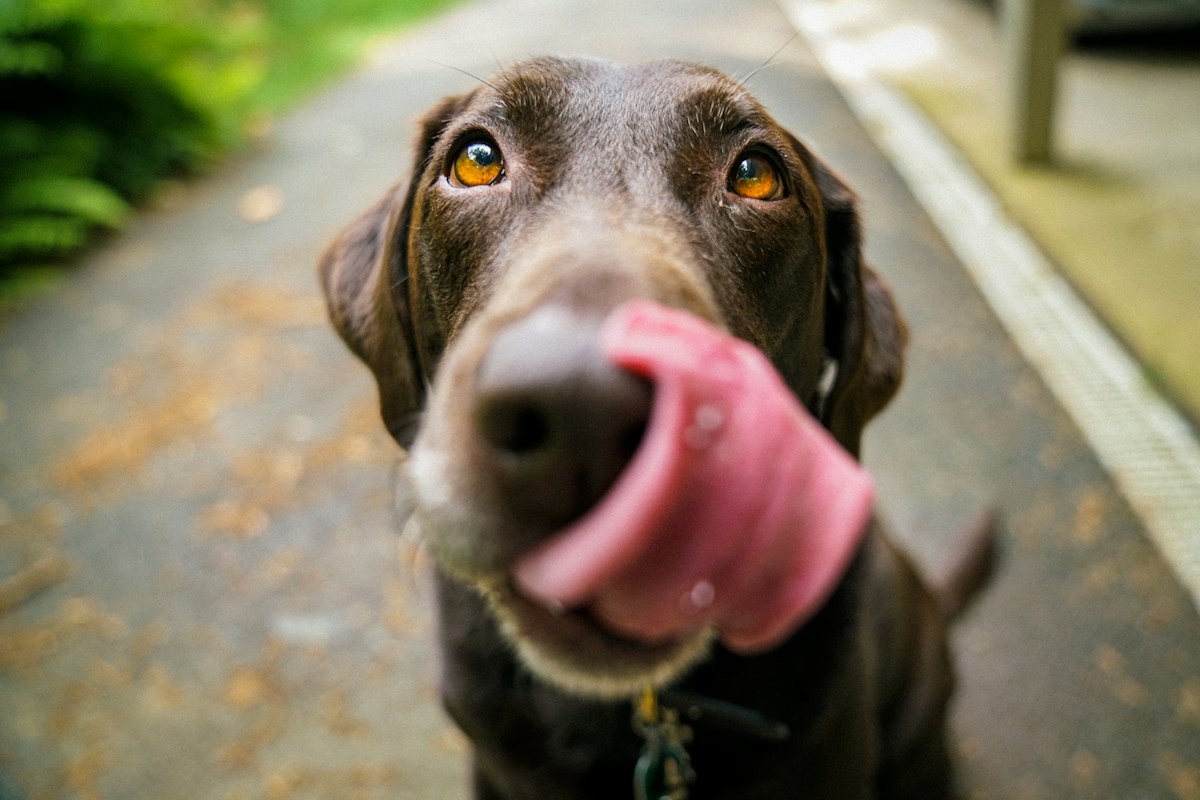
Key Nutritional Components for Training Success
Protein Quality and Brain Function
High-quality protein sources provide essential amino acids that support neurotransmitter production. These chemical messengers facilitate communication between brain cells, directly impacting learning and memory formation. Look for foods containing named meat sources such as chicken, lamb, or fish rather than generic "meat meal" or by-products.
Tryptophan, found in turkey and some fish, helps produce serotonin, which promotes calm, focused behaviour. This can be particularly beneficial for anxious dogs or those struggling with attention during training sessions.
Omega-3 Fatty Acids for Cognitive Health
DHA (docosahexaenoic acid) and EPA (eicosapentaenoic acid) are crucial omega-3 fatty acids that support brain development and function. These nutrients improve cognitive performance, memory retention, and can even reduce hyperactivity in some dogs.
Fish oils, particularly from salmon or sardines, provide excellent sources of these beneficial fats. Some commercial dog foods now include these supplements, or you can add them separately under veterinary guidance.
Complex Carbohydrates for Sustained Energy
Unlike simple sugars that cause energy spikes and crashes, complex carbohydrates provide steady glucose release throughout the day. Sweet potatoes, brown rice, and oats offer sustained energy that supports consistent training performance.
Avoid foods high in simple sugars or corn syrup, which can cause behavioural fluctuations that interfere with training progress.
Feeding Schedules and Training Timing
The timing of meals relative to training sessions significantly impacts your dog's performance and willingness to work for food rewards. Professional trainers recommend specific feeding schedules that optimise both nutrition and training effectiveness.
Pre-Training Nutrition Strategy
Training on a completely full stomach reduces food motivation and can cause digestive discomfort. Conversely, training a ravenously hungry dog may result in over-excitement and inability to focus. The ideal approach involves:
- Feeding main meals 2-3 hours before intensive training sessions
- Using small, high-value treats during training that don't constitute a full meal
- Ensuring adequate hydration before and after training
Post-Training Recovery
After training sessions, dogs benefit from easily digestible nutrition that supports recovery and reinforces positive associations with training. A small portion of their regular food or a healthy treat helps cement the training experience positively.
Training Treats: Choosing Wisely
The treats you use during training sessions become part of your dog's daily nutritional intake. Poor-quality treats can undermine overall health and training progress, whilst appropriate choices support both goals simultaneously.

Characteristics of Effective Training Treats
Successful training treats should be:
- Small enough to consume quickly without chewing
- Highly palatable to maintain motivation
- Easy to digest to prevent stomach upset
- Low in calories to allow frequent use
- Free from artificial colours and preservatives
Homemade vs Commercial Options
Many UK dog trainers recommend a combination of high-quality commercial treats and simple homemade options. Freeze-dried liver, small pieces of cooked chicken, or even portions of your dog's regular kibble can serve as effective rewards when used appropriately.
Age-Specific Nutritional Considerations for Training
Puppy Training and Nutrition
Puppies have unique nutritional needs that directly impact their ability to learn and develop. Their rapidly growing brains require DHA for optimal development, whilst their high energy needs must be balanced with digestive sensitivity.
Puppy training classes often coincide with periods of rapid growth, making proper nutrition even more critical. Feed puppy-specific formulas that meet AAFCO guidelines for growth and reproduction.
Senior Dog Nutrition and Continued Learning
Older dogs benefit from adjusted nutrition that supports cognitive function whilst accommodating changing metabolisms and potential health issues. Antioxidants, found in blueberries and other fruits, may help maintain mental sharpness in aging dogs.
Senior dogs can absolutely learn new behaviours, but may require adjusted training approaches alongside appropriate nutritional support.
Addressing Behavioural Issues Through Nutrition
Certain behavioural problems may have nutritional components that, when addressed, significantly improve training outcomes.
Hyperactivity and Diet
Some dogs exhibit hyperactive behaviour partly due to dietary factors such as:
- Excessive sugar intake
- Food additives and preservatives
- Inadequate protein levels
- Allergic reactions to specific ingredients
Anxiety and Nutritional Support
Anxious dogs may benefit from specific nutritional interventions alongside training:
- L-theanine supplements (under veterinary guidance)
- Consistent feeding schedules to reduce anxiety
- Avoiding caffeine-containing products
- Supporting gut health through appropriate probiotics
Working with Professional Trainers and Nutritionists
The most effective approach to dog nutrition and training UK often involves collaboration between qualified professionals. APDT or IMDT certified trainers increasingly work alongside veterinary nutritionists to create comprehensive programmes.
Cost Considerations for Nutrition and Training
| Service/Product | Low End (£) | Mid Range (£) | High End (£) | Notes |
|---|---|---|---|---|
| Monthly premium dog food | 25 | 45 | 80 | Based on medium-sized dog |
| Training treats (monthly) | 8 | 15 | 30 | High-quality options |
| Nutritional consultation | 50 | 80 | 150 | One-time veterinary assessment |
| Supplement additions | 10 | 25 | 50 | Omega-3, probiotics etc. |
| Combined training programme | 200 | 350 | 600 | 6-week course including nutrition guidance |
Questions to Ask Before Hiring a Dog Trainer
- Do you consider nutritional factors in your training programmes?
- Can you provide guidance on appropriate training treats and feeding schedules?
- What qualifications do you hold from recognised UK organisations (APDT, IMDT, Kennel Club)?
- Do you work with veterinary professionals when behavioural issues may have nutritional components?
- Can you accommodate dogs with specific dietary requirements or allergies?
- What is your approach to using food rewards in training?
- Do you provide ongoing support for maintaining training progress through proper nutrition?
- Are you insured and can you provide references from previous clients?
- What happens if my dog doesn't respond well to your training methods?
- Do you offer follow-up sessions to ensure long-term success?
Creating a Sustainable Nutrition and Training Plan
Success in dog nutrition and training UK requires consistency and long-term commitment. The most effective programmes integrate nutritional awareness into daily routines rather than treating it as a separate concern.
Daily Integration Strategies
- Use meal times as training opportunities
- Incorporate puzzle feeders to provide mental stimulation
- Maintain consistent feeding schedules that support training sessions
- Monitor your dog's response to different foods and adjust accordingly
- Work with professionals to address any concerns promptly
Long-term Health Benefits
Dogs receiving appropriate nutrition alongside proper training typically enjoy:
- Better overall health and longevity
- Stronger human-animal bonds
- Reduced behavioural problems
- Enhanced quality of life
- Lower veterinary costs over time
Regional Considerations Across the UK
Different regions of the UK may have varying access to specific dog foods, training professionals, and veterinary services. Urban areas typically offer more variety in premium dog foods and specialist trainers, whilst rural areas may require more planning but often provide excellent value.
The Kennel Club maintains directories of approved trainers across all UK regions, whilst organisations like Dogs Trust provide educational resources regardless of location.
Frequently Asked Questions
How long does it take to see improvements when combining better nutrition with training? Most dogs show noticeable improvements in focus and energy within 2-4 weeks of dietary changes. Training progress may accelerate once nutritional foundations are established, though individual variation is significant.
Can poor nutrition actually make training more difficult? Absolutely. Dogs suffering from nutritional deficiencies, food allergies, or digestive issues often struggle with concentration, exhibit inconsistent behaviour, and may appear less motivated during training sessions.
Should I change my dog's diet before starting a training programme? Gradual dietary improvements can support training success, but sudden changes may cause digestive upset. Consult with a qualified trainer or veterinary professional to create an appropriate timeline.
Are expensive dog foods always better for training purposes? Not necessarily. The key is finding foods that meet your dog's specific nutritional needs and support consistent energy levels. Some moderately priced foods may be more appropriate than premium options, depending on individual requirements.
How do I know if my dog's behaviour problems are nutrition-related? Keep a detailed diary of your dog's behaviour, meals, and training sessions. Patterns may emerge that suggest nutritional influences. Professional assessment from a qualified behaviourist or veterinary nutritionist can provide definitive guidance.
Can I use my dog's regular food as training treats? Yes, this can be effective, particularly for food-motivated dogs. Set aside a portion of their daily kibble allowance specifically for training to maintain proper caloric balance.
Proper nutrition forms the foundation upon which successful dog training is built. By understanding the connection between what your dog eats and how they learn, you can create optimal conditions for training success whilst supporting their overall health and wellbeing.
Find a Dog Trainer Near You →
Search our free UK directory to find qualified, accredited dog trainers and behaviourists across the UK. Compare local professionals, read reviews and find the right trainer for your dog today.
Comments(0)