Dog Competition Training UK 2026
Complete guide to dog competition training UK. Find qualified trainers, costs, timelines & tips for agility, obedience & competitive success.
Sarah

Dog Competition Training UK 2026: Your Complete Guide to Competitive Canine Sports
The world of competitive dog sports in the UK has never been more vibrant or accessible. From traditional obedience competitions to the high-energy excitement of agility trials, dog competition training offers an incredible opportunity to strengthen your bond with your canine companion whilst developing their skills to an impressive standard. Whether you're dreaming of Crufts glory or simply want to enjoy local club competitions, professional dog competition training can transform both you and your dog into a formidable team.
Competition training goes far beyond basic obedience, requiring specialised techniques, dedicated practice, and expert guidance to achieve success. The UK's rich tradition of dog sports, governed by organisations like The Kennel Club and supported by countless local clubs, provides numerous pathways for ambitious owners and their dogs to excel.

Professional competition training requires expert guidance and proper equipment to help dogs reach their full potential
Types of Dog Competitions Available in the UK
The UK offers an impressive variety of competitive dog sports, each requiring different skills and training approaches. Understanding these disciplines helps you choose the right path for your dog's temperament and abilities.
Agility Competitions
Agility remains one of the most popular competitive dog sports in the UK. Dogs navigate obstacle courses including jumps, tunnels, weave poles, and contact equipment against the clock. The sport demands precision, speed, and excellent handler-dog communication. Training typically begins with foundation work on individual obstacles before progressing to course sequences.
Obedience Competitions
Competitive obedience tests a dog's ability to perform precise movements and positions on command. From novice to championship level, exercises become increasingly complex, including scent discrimination, send-aways, and advanced retrieving. The precision required means training must be methodical and consistent.
Rally Obedience
A more relaxed alternative to traditional obedience, rally combines elements of agility and obedience. Handlers and dogs work through a course of numbered stations, each requiring specific exercises. The sport allows for encouragement and communication between handler and dog throughout the performance.
Working Trials
These competitions test a dog's natural working abilities across three main sections: nosework, agility, and control. Dogs must demonstrate tracking skills, property searches, and various jumps whilst maintaining excellent obedience standards.
Gundog Trials and Tests
Specifically designed for sporting breeds, these competitions test natural retrieving instincts, steadiness to shot, and water work. Training focuses on developing the dog's natural abilities whilst maintaining control in exciting situations.
Flyball and Other Team Sports
Fast-paced relay races where teams of four dogs race over hurdles to trigger a ball-release mechanism. The sport requires speed, precision timing, and the ability to work alongside other dogs without distraction.
Essential Skills for Competition Success
Success in dog competition training requires developing specific foundational skills that apply across all competitive disciplines. These core competencies form the building blocks of more advanced competition work.
Focus and Attention
Competition dogs must maintain unwavering focus on their handler despite numerous distractions. Training begins with basic attention exercises and progressively introduces more challenging environments and stimuli. Professional trainers use positive reinforcement techniques to build strong focus whilst maintaining the dog's enthusiasm and drive.
Precision and Consistency
Unlike pet obedience training, competition work demands millimetre-perfect positioning and timing. Dogs must learn to perform exercises identically every time, requiring patient, systematic training approaches. This precision comes from breaking complex behaviours into small components and building them gradually.
Confidence Building
Competition environments can be overwhelming for dogs. Successful training programmes systematically expose dogs to various venues, equipment, and situations they'll encounter in competitions. This confidence-building process is crucial for dogs to perform reliably under pressure.
Handler Connection
The partnership between handler and dog is paramount in competitive sports. Training focuses heavily on developing clear communication systems, reading each other's body language, and working as a cohesive team. This connection often determines success more than individual technical skills.
Benefits of Professional Competition Training
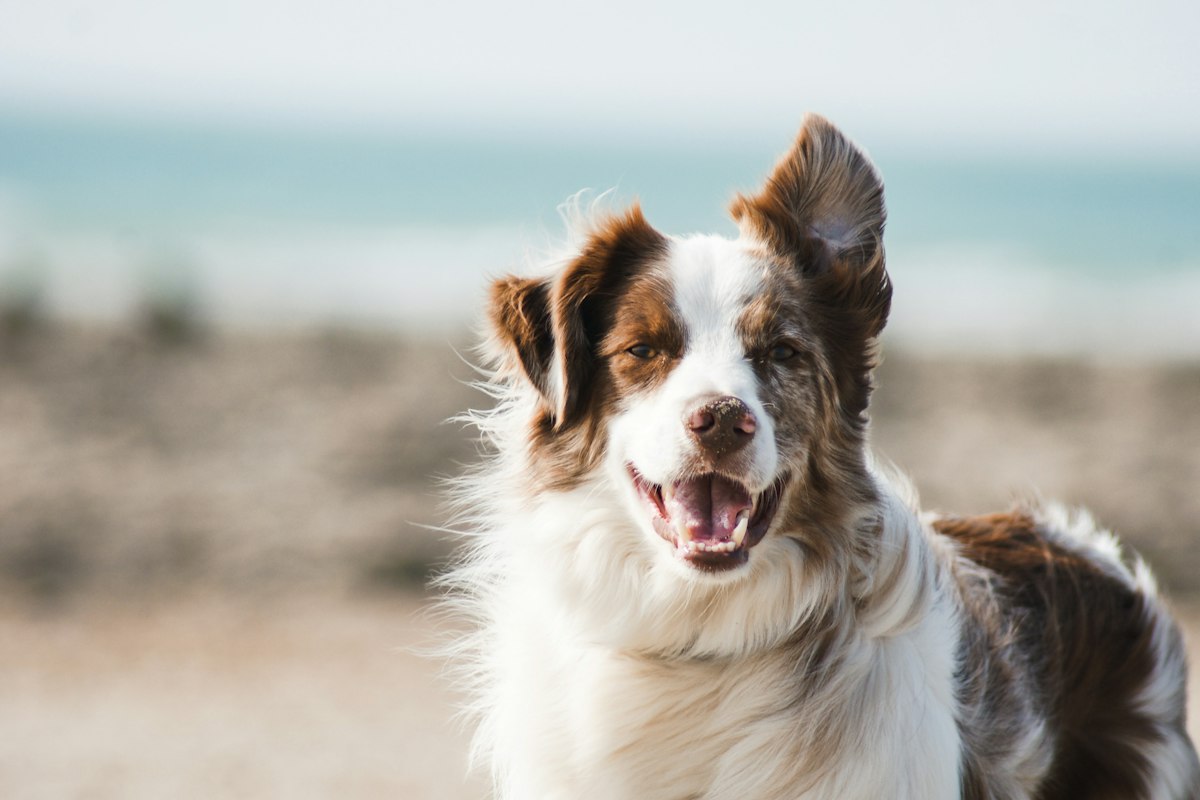
Competition training develops incredible focus, athleticism, and partnership between dog and handler
Structured Learning Progression
Professional competition trainers provide systematic training programmes tailored to specific sports and individual dogs. They understand the progression needed to build skills safely and effectively, preventing common training mistakes that can set back progress significantly.
Equipment and Facility Access
Competition training requires specialised equipment that's often expensive and space-consuming for individual ownership. Professional training facilities provide access to regulation-standard equipment, ensuring dogs train on apparatus identical to competition venues.
Expert Technical Guidance
Successful competition performance requires understanding subtle technical details that only experienced trainers recognise. Professional trainers identify and correct minor issues before they become ingrained habits, saving months of remedial work.
Mental Preparation Support
Competition success isn't just about technical skills—mental preparation is equally important. Professional trainers help handlers develop confidence, manage competition nerves, and create effective warm-up routines for optimal performance.
Injury Prevention
Competition sports place physical demands on dogs that require careful conditioning and technique development. Professional trainers understand canine biomechanics and structure training programmes to build strength and flexibility whilst minimising injury risk.
Training Methods and Techniques
Modern dog competition training in the UK emphasises positive reinforcement methods that maintain dogs' enthusiasm whilst developing precision and reliability. These approaches align with current understanding of canine learning theory and welfare standards.
Positive Reinforcement Foundations
All reputable competition training programmes use reward-based methods as their foundation. Dogs learn through positive associations with training and competition environments, maintaining their natural drive and enthusiasm throughout their careers.
Shaping and Targeting
Complex competition behaviours are taught using shaping techniques, where trainers reward successive approximations of the final behaviour. Targeting methods help dogs understand precise positioning requirements essential for competition success.
Motivation Management
Professional trainers understand that different dogs require different motivational approaches. Some dogs work best for food rewards, others prefer toy play, and many need varied reward schedules to maintain peak performance levels.
Stress Management
Competition training programmes include specific protocols for recognising and managing stress in training dogs. This includes understanding when to push forward and when to step back, ensuring dogs remain confident and eager participants.
Competition Training Costs in the UK 2026
Understanding the financial investment required for professional dog competition training helps owners plan their journey effectively. Costs vary significantly based on location, trainer experience, and training intensity.
| Service Type | Frequency | Cost Range | Notes |
|---|---|---|---|
| Individual Lessons | Weekly | £45-£75 per hour | Intensive one-on-one instruction |
| Group Classes | Weekly | £18-£30 per session | Social learning environment |
| Workshop Days | Monthly | £80-£150 per day | Intensive skill development |
| Competition Preparation | As needed | £60-£100 per session | Pre-competition fine-tuning |
| Training Camps | Weekend/Week | £200-£800 total | Immersive training experience |
| Online Coaching | Ongoing | £30-£60 per month | Remote guidance and support |
Additional costs include competition entry fees (£15-£40 per competition), travel expenses, and potential equipment purchases for home practice. Many trainers offer package deals that provide better value for committed competitors.
Finding the Right Competition Trainer
Selecting an appropriate competition trainer significantly impacts your success and enjoyment of the sport. The UK has many excellent trainers, but finding one who matches your goals and training philosophy requires careful consideration.
Qualifications and Experience
Look for trainers with relevant qualifications from recognised organisations such as the Association of Pet Dog Trainers (APDT) or the Institute of Modern Dog Trainers (IMDT). Competition-specific experience and successful student records provide additional confidence in their expertise.
Training Philosophy Alignment
Ensure your chosen trainer uses positive, force-free methods that align with modern understanding of canine learning and welfare. The best competition trainers maintain dogs' enthusiasm whilst developing precision and reliability.
Facility and Equipment Standards
Visit potential training facilities to assess equipment quality and safety standards. Regulation-standard apparatus ensures your dog trains on equipment identical to competition venues, preventing adaptation issues.
Student Success Records
Inquire about the trainer's students' achievements in competitions. Successful trainers should have students competing regularly at various levels, with some achieving significant wins or qualifications.
Questions to Ask Before Hiring a Dog Trainer
Use this checklist when interviewing potential competition trainers to ensure they meet your needs and standards:
- What qualifications and certifications do you hold in dog training and your specific competition discipline?
- Can you provide references from current or former competition students?
- What training methods do you use, and how do you handle dogs who struggle with motivation?
- What is your experience with my dog's breed and the competition discipline I'm interested in?
- How do you structure training programmes to progress from beginner to competition level?
- What equipment do you have available, and is it regulation standard for competitions?
- How do you assess whether a dog is suitable for competition training?
- What ongoing support do you provide between lessons and at competitions?
- Can you explain your fee structure and any package deals available?
- How do you handle dogs who develop anxiety or stress during training?
- What safety protocols do you follow during training sessions?
- How do you prepare dogs and handlers for their first competitions?
Training Timeline Expectations
Understanding realistic timelines helps set appropriate expectations for competition training progress. These timelines vary significantly based on the dog's age, previous training, natural ability, and the handler's commitment level.
Foundation Phase (3-6 months)
Initial training focuses on building basic skills, attention, and motivation. Dogs learn fundamental exercises and develop the confidence needed for more advanced work. This phase is crucial and shouldn't be rushed.
Skill Development Phase (6-12 months)
Complex competition exercises are introduced and refined during this phase. Dogs learn to perform reliably in various environments and begin working on precision and consistency.
Competition Preparation (2-4 months)
Final preparation involves simulating competition conditions, fine-tuning performance, and building confidence. Dogs learn to work in new venues with distractions and time pressures.
Ongoing Development (Lifelong)
Competition training never truly ends. Successful competitors continue refining skills, learning new techniques, and maintaining peak performance throughout their dogs' careers.
Frequently Asked Questions
At what age should I start competition training with my dog?
Most trainers recommend beginning foundation work around 12-18 months of age, once dogs have matured physically and mentally. However, puppy foundation classes can start as early as 4-6 months, focusing on confidence building and basic skills rather than intensive competition preparation.
How do I know if my dog is suitable for competition training?
Suitable competition dogs typically display enthusiasm for training, ability to focus despite distractions, and physical soundness for their chosen discipline. Professional trainers can assess your dog's potential during initial consultations, considering temperament, drive, and structural suitability.
Can rescue dogs succeed in competition training?
Absolutely! Many rescue dogs excel in competitive sports, often displaying remarkable motivation and bonding with their handlers. The key is patient, positive training that builds confidence whilst addressing any previous negative experiences.
How often should we train for competitions?
Most successful competitors train 3-4 times per week, combining formal lessons, practice sessions, and fitness work. However, quality matters more than quantity—focused, positive sessions are more valuable than lengthy, repetitive practices.
What should I expect at our first competition?
First competitions focus on experience rather than winning. Expect some nervousness (both yours and your dog's), and concentrate on having fun whilst applying your training. Many trainers attend first competitions to provide support and guidance.
How do I maintain my dog's enthusiasm during intensive training?
Successful trainers use variety in training sessions, maintain high reward rates, and monitor dogs for signs of stress or boredom. Regular breaks, play sessions, and ensuring training remains fun are essential for long-term success.
Competition training transforms the relationship between dogs and their owners, creating partnerships built on mutual respect, communication, and shared achievement. Whether your goals involve local club competitions or national championships, professional guidance ensures both you and your dog can reach your full potential whilst maintaining the joy and enthusiasm that makes dog sports so rewarding.
Find a Dog Trainer Near You →
Search our free UK directory to find qualified, accredited dog trainers and behaviourists across the UK. Compare local professionals, read reviews and find the right trainer for your dog today.
Comments(0)