Dog Body Language UK 2026
Master dog body language UK 2026. Learn to read your dog's signals, understand stress indicators & improve communication for better training.
Sarah

Understanding Dog Body Language: Your Complete UK Guide for 2026
Learning to read your dog's body language is one of the most valuable skills any dog owner can develop. Dogs communicate constantly through their posture, facial expressions, tail movements, and vocalisations, yet many of their signals are misunderstood or missed entirely by well-meaning owners. This comprehensive guide will help you decode what your dog is really trying to tell you, potentially preventing behavioural issues and strengthening the bond between you and your canine companion.
Why Understanding Dog Body Language Matters
Dogs cannot speak our language, but they're constantly communicating through their body language. Every ear position, tail wag, and facial expression conveys important information about their emotional state, intentions, and needs. Misreading these signals can lead to stress for both dog and owner, missed opportunities for training, and in some cases, preventable incidents.
The Association of Pet Dog Trainers (APDT) emphasises that understanding canine communication is fundamental to successful dog ownership. When you can accurately interpret your dog's signals, you're better equipped to respond appropriately, whether that's removing them from a stressful situation, recognising when they're ready to learn, or simply understanding their needs better.
Reading Facial Expressions and Eye Contact
Eyes and Eye Contact
A dog's eyes reveal tremendous information about their emotional state. Soft, relaxed eyes with a natural blink rate typically indicate a calm, content dog. Conversely, hard stares, wide eyes showing the whites (often called "whale eye"), or rapid blinking can signal stress, fear, or arousal.
Direct, prolonged eye contact in dogs can be interpreted as a challenge or threat, which is why many dogs feel uncomfortable when strangers stare at them. However, dogs who know and trust their owners often engage in mutual gazing as a bonding behaviour.
Mouth and Lips
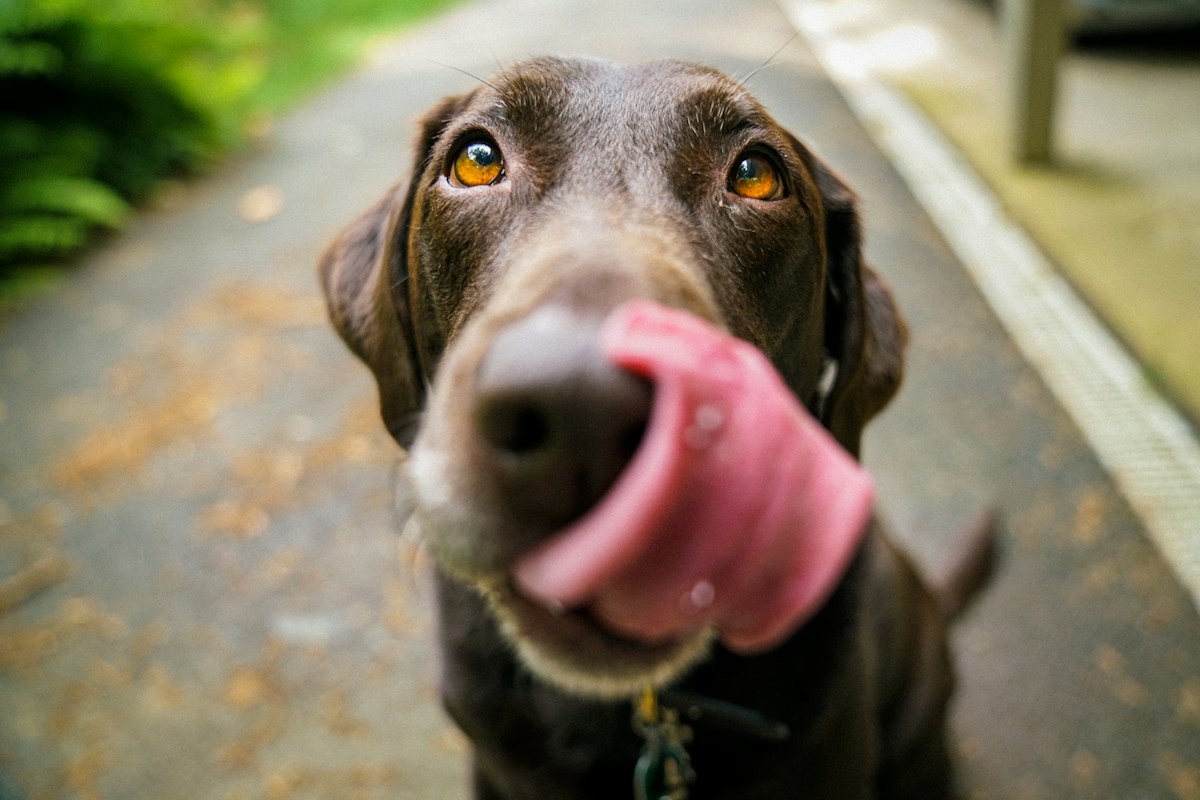
A relaxed, slightly open mouth with the tongue lolling out is a sign of a calm, happy dog. Tight lips, especially when pulled back in what might look like a "smile," can actually indicate stress or appeasement. Lip licking when there's no food present often signals anxiety or uncertainty.
Yawning, when your dog isn't tired, is frequently a calming signal - either self-soothing or an attempt to communicate peaceful intentions to others.
Ears
Ear position varies significantly between breeds due to different ear shapes, but the movement and positioning relative to the dog's normal ear set provides valuable information. Forward-facing, erect ears (within the dog's natural range) often indicate alertness and interest. Pinned-back ears typically signal fear, submission, or anxiety.
Tail Positions and Movements
Perhaps no aspect of dog body language is more misunderstood than tail wagging. The position, speed, and direction of tail movement all convey different messages:
Tail Height
- High tail carriage: Confidence, alertness, or arousal (not always positive)
- Mid-level tail: Generally neutral, relaxed state
- Low or tucked tail: Fear, anxiety, or submission
Wagging Patterns
- Broad, loose wags: Generally positive, friendly intentions
- Fast, tight wags: High arousal, could be excitement or agitation
- Slow wags: Uncertainty or tentative approach
- Stiff, high wags: Potential warning signal, high arousal
Recent research has even suggested that dogs wag more to the right when happy and more to the left when anxious, though this subtle distinction requires careful observation.
Body Posture and Movement
Overall Body Position
Play bow: Front end down, rear end up with tail wagging - this is the universal canine invitation to play.
Weight distribution: Dogs shift their weight to communicate intentions:
- Weight forward: Interest, potential approach
- Weight back: Uncertainty, preparation to retreat
- Balanced stance: Neutral, observing
Body size: Dogs make themselves larger when confident or potentially threatening, and smaller when fearful or submissive.
Movement Quality
Loose, flowing movement indicates relaxation and confidence, whilst stiff, stilted movement suggests tension or arousal. Trembling or shaking (when not cold) often indicates high stress or excitement.
Stress Signals and Calming Behaviours
Dogs display numerous stress signals that owners often overlook:
Common Stress Indicators
- Excessive panting when not hot or after exercise
- Drooling without food stimulus
- Loss of appetite
- Destructive behaviour
- Excessive vocalisation
- Repetitive behaviours (spinning, pacing)
- House training accidents in previously house-trained dogs
Calming Signals
Norwegian dog trainer Turid Rugaas identified numerous "calming signals" that dogs use to reduce tension:
- Yawning
- Lip licking
- Looking away or turning head
- Moving slowly
- Sitting or lying down
- Sniffing the ground
- Creating distance
Context Matters: Reading the Whole Picture
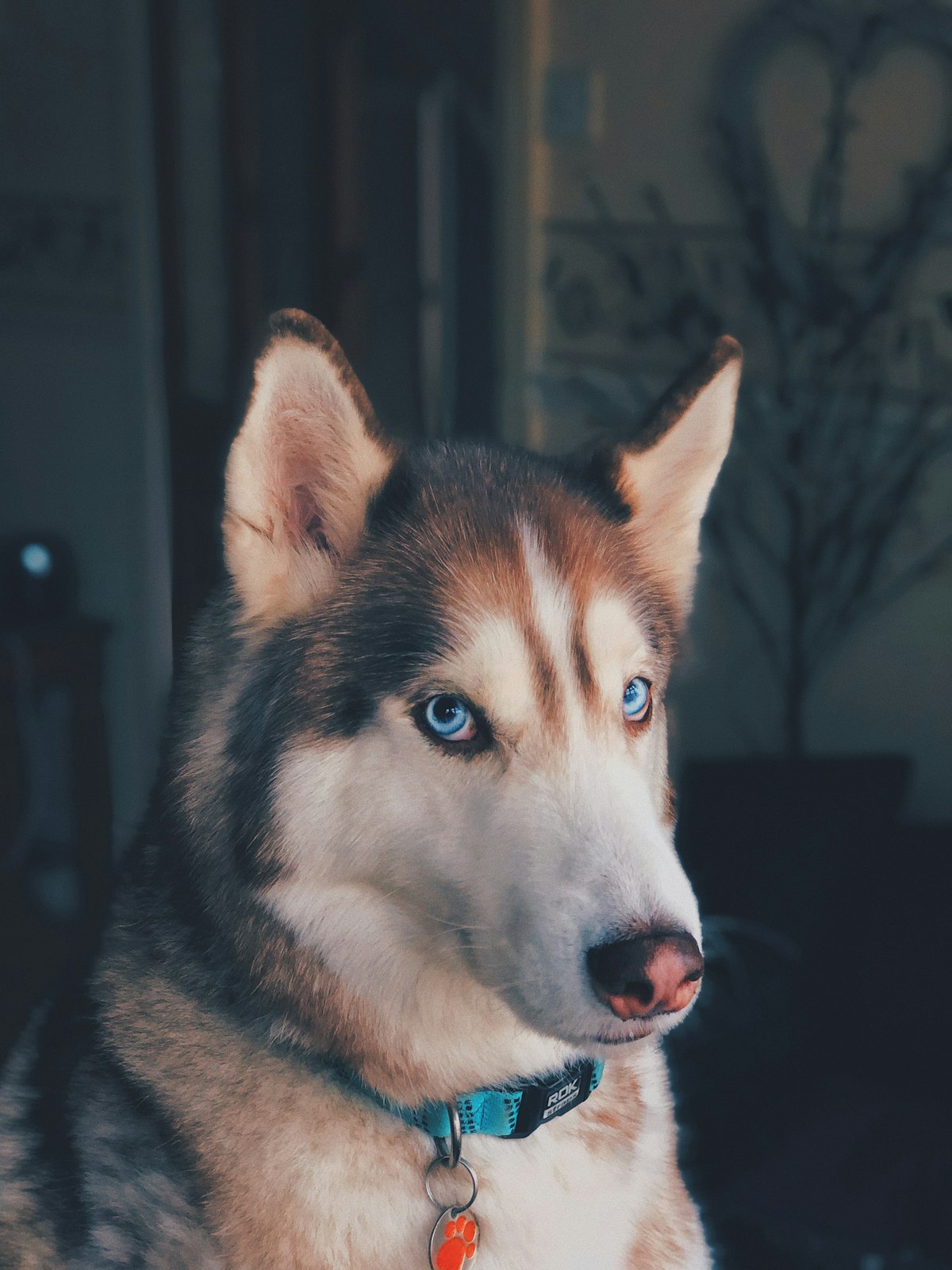
Understanding dog body language requires looking at the entire dog, not just isolated signals. A wagging tail on a dog with a tense body, hard stare, and raised hackles sends a very different message than the same tail wag on a dog with soft eyes and relaxed posture.
Environmental context is equally important. A dog's body language will differ when:
- Meeting new dogs or people
- In familiar versus unfamiliar environments
- During training sessions
- When unwell or in pain
- During different weather conditions
Age and Individual Differences
Puppy Body Language
Puppies often display more exaggerated body language as they learn social skills. Their signals may be less refined, and they're still developing impulse control. Puppy behaviour that seems rude or inappropriate often stems from inexperience rather than aggression.
Senior Dog Considerations
Older dogs may have reduced mobility affecting their ability to communicate through body language. Arthritis might prevent normal play bows, and hearing or vision loss can impact their ability to send and receive signals effectively.
Breed-Specific Variations
Certain breeds have physical characteristics that affect body language interpretation:
- Flat-faced breeds may have limited facial expression
- Breeds with cropped ears or docked tails have reduced communication tools
- Heavily coated breeds may have obscured body language signals
Training and Body Language
Understanding your dog's body language dramatically improves training effectiveness:
When to Train
- Relaxed, alert body language indicates optimal learning states
- Stress signals suggest the need for a break or environmental change
- Over-arousal requires calming before effective learning can occur
Reading Training Responses
Your dog's body language tells you whether they understand what you're asking, are confused, stressed, or engaged with the training process.
Common Body Language Mistakes UK Owners Make
Misinterpreting "Guilt"
The "guilty look" many owners recognise is actually appeasement behaviour - your dog responding to your body language and tone, not showing remorse for past actions.
Forced Interactions
Pushing dogs to interact when their body language clearly indicates discomfort or fear can escalate problems and damage trust.
Overlooking Subtle Signals
Many significant communications happen through subtle changes in posture, breathing, or facial expression that owners miss when focused on more obvious behaviours.
Professional Dog Training Costs in the UK (2026)
| Service Type | Price Range | Duration | Notes |
|---|---|---|---|
| Initial Consultation | £80-£150 | 1-2 hours | Includes behaviour assessment |
| Group Training Classes | £15-£35 per session | 1 hour | 4-8 week courses |
| One-to-One Training | £60-£120 per session | 1 hour | Home visits may cost more |
| Puppy Socialisation | £20-£40 per session | 1 hour | Crucial for development |
| Behaviour Modification | £100-£200 per session | 1-2 hours | For serious issues |
| Online Training Programs | £30-£150 | Self-paced | Growing in popularity |
Prices vary by location, with London and Southeast England typically at the higher end
Questions to Ask When Hiring a Dog Trainer
Checklist for Selecting a Professional
- What qualifications and certifications do you hold?
- Are you a member of professional organisations (APDT, IMDT, CCPDT)?
- What training methods do you use, and do you follow force-free principles?
- Can you provide references from recent clients?
- Do you have experience with my dog's specific breed or behaviour issues?
- What's your approach to reading and responding to dog body language?
- How do you handle dogs who show stress signals during training?
- Do you offer follow-up support after formal training ends?
- Are you insured for professional practice?
- Can you explain your training plan and expected timeline?
Building Your Observation Skills
Daily Practice
Spend time each day simply observing your dog without interaction. Notice their natural body language patterns during different activities and emotions.
Video Analysis
Record your dog during various situations and review the footage to spot signals you might have missed in real-time.
Professional Guidance
Consider working with a qualified dog trainer or behaviourist to improve your body language reading skills. Many offer specific workshops on canine communication.
Frequently Asked Questions
Q: How can I tell if my dog is truly happy or just excited? A: Happy dogs typically display loose, flowing body language with soft eyes and relaxed facial muscles. Excitement often involves higher arousal with faster movements, higher tail carriage, and more intense focus. Happy dogs can self-regulate, whilst over-excited dogs may struggle with impulse control.
Q: My dog wags their tail but then snaps - why does this happen? A: Not all tail wagging indicates friendliness. High, stiff wagging combined with tense body language can signal arousal or warning. Look at the whole dog - ears, eyes, body posture, and mouth - rather than focusing solely on the tail.
Q: How do I know if my dog is playing or being aggressive with other dogs? A: Play typically involves reciprocal behaviour, play bows, loose body language, and dogs taking turns being "chaser" and "chased." Aggressive encounters show sustained tension, stiff bodies, prolonged staring, and lack of reciprocity. If in doubt, interrupt and redirect.
Q: What should I do if I notice stress signals in my dog? A: First, identify and remove or reduce the stressor if possible. Give your dog space and time to calm down. Avoid forcing interaction or training during high stress. If stress signals persist or worsen, consult a qualified dog behaviourist.
Q: Can dogs read human body language as well as we can read theirs? A: Yes, dogs are remarkably skilled at reading human body language, facial expressions, and vocal cues. They often respond to our emotions and intentions before we're consciously aware of them ourselves. This makes our own body language crucial in training and daily interactions.
Q: How early can puppies start displaying adult body language patterns? A: Puppies begin showing basic body language from a few weeks old, but their signals become more refined and reliable as they mature. Most adult body language patterns are established by 4-6 months, though social skills continue developing well into adulthood.
Understanding your dog's body language is an ongoing journey that deepens your relationship and improves your ability to meet their needs effectively. The more you observe and learn, the better you'll become at recognising the subtle communications that make up the rich vocabulary of canine expression.
Find a Dog Trainer Near You →
Search our free UK directory to find qualified, accredited dog trainers and behaviourists across the UK. Compare local professionals, read reviews and find the right trainer for your dog today.
Comments(0)