Dog Biting Child UK 2026
Complete guide to dog biting child incidents in UK. Legal advice, prevention strategies, immediate response steps. Keep children safe.
Sarah

Dog Biting Child UK 2026: Prevention, Response and Legal Responsibilities
When a dog bites a child, it creates a devastating situation that affects families, communities and the dogs themselves. Understanding the complexities surrounding dog bites involving children in the UK is crucial for prevention, appropriate response and ensuring the safety of both young people and our canine companions.
Dog bite incidents involving children have serious legal, emotional and practical consequences. In the UK, specific laws govern dog attacks, and when children are involved, the stakes become even higher. This comprehensive guide explores everything you need to know about preventing dog bites, responding appropriately when incidents occur, and understanding your legal obligations as a dog owner.
Understanding Dog Bite Statistics and Risks in the UK
Dog bite incidents involving children represent a significant concern for UK families and authorities. Children are particularly vulnerable to dog bites due to their size, behaviour patterns and limited understanding of canine body language. Young children often approach dogs differently than adults, potentially triggering defensive reactions from dogs who feel threatened or uncomfortable.
The vulnerability of children stems from several factors. Their smaller stature means they're often at face level with many dogs, putting them at risk for more serious facial injuries. Children's natural movements can be unpredictable and exciting to dogs, potentially triggering prey drive or defensive responses. Additionally, children may not recognise warning signs that a dog is feeling stressed, anxious or territorial.
Most dog bite incidents involving children occur with dogs the child knows, often family pets or dogs belonging to friends and neighbours. This familiarity can create a false sense of security, leading to situations where appropriate supervision and caution aren't maintained. Understanding these risk factors is the first step in effective prevention.

Legal Framework: UK Laws Regarding Dog Bites and Children
The UK has comprehensive legislation governing dog attacks, with specific provisions that become particularly relevant when children are involved. The Dangerous Dogs Act 1991 and subsequent amendments provide the primary legal framework, alongside common law principles of negligence and liability.
Under UK law, dog owners have strict liability for injuries caused by their dogs in public spaces. When a dog bites a child in a public area, the owner is automatically liable for damages, regardless of whether they knew the dog was dangerous or whether they were present during the incident. This strict liability recognises the particular vulnerability of children and the responsibility of dog owners to control their animals.
In private spaces, including the dog owner's property, the legal situation becomes more complex. The owner still has duties of care, particularly when children are present. If a dog owner invites a family with children onto their property, they have a responsibility to ensure the children's safety from their dog. This includes warning visitors about any behavioural issues, properly restraining the dog if necessary, and maintaining adequate supervision.
The Animals Act 1971 also plays a crucial role in determining liability. This act establishes that dog owners can be held liable if they knew or should have known about their dog's dangerous propensities. When it comes to children, courts often take a more stringent view of what constitutes reasonable knowledge and care.
Criminal charges may also apply in severe cases. If a dog attack results in serious injury to a child, owners may face charges under the Dangerous Dogs Act, potentially including imprisonment. The Crown Prosecution Service takes dog attacks on children particularly seriously, recognising both the physical and psychological trauma these incidents can cause.
Immediate Response to Dog Bite Incidents
When a dog bites a child, the immediate response can significantly impact both the child's recovery and the legal consequences that follow. The priority must always be the child's medical welfare, followed by proper documentation and reporting procedures.
Medical attention should be sought immediately, even for seemingly minor bites. Children's immune systems may be more vulnerable to infection, and the psychological impact of a dog bite can be significant regardless of the physical severity. Healthcare professionals can properly assess the wound, provide appropriate treatment including tetanus shots if necessary, and document the injuries for potential legal proceedings.
The incident should be reported to local authorities promptly. This typically involves contacting the local council's environmental health department or animal control services. In serious cases, police involvement may be necessary. Proper reporting helps protect other children and ensures that appropriate measures are taken to prevent future incidents.
Documentation is crucial for both medical and legal purposes. This includes photographing injuries (when appropriate and with parental consent), recording witness statements, and gathering information about the dog involved, including its vaccination status and behavioural history. This information becomes vital if legal action becomes necessary.
Prevention Strategies: Education and Management
Preventing dog bites involving children requires a multi-faceted approach combining education, proper management, and creating safe environments for interactions between dogs and young people. The most effective prevention strategies address both human behaviour and canine management.
Child education plays a fundamental role in prevention. Children should learn basic dog safety rules from an early age, including never approaching unfamiliar dogs without permission, avoiding dogs that are eating, sleeping, or caring for puppies, and recognising basic signs of canine stress or aggression. Teaching children to move slowly and calmly around dogs, avoid direct eye contact with unfamiliar dogs, and always ask permission before petting can significantly reduce bite risk.
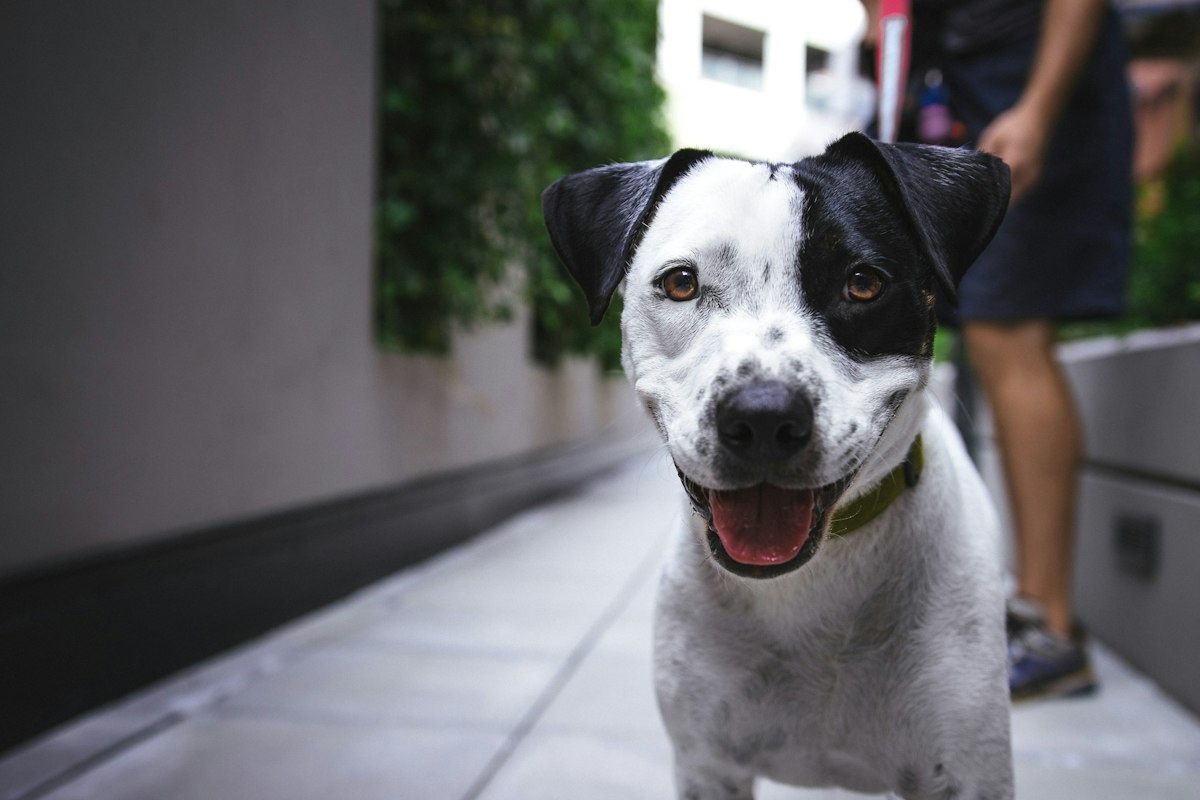
Adult supervision remains the most critical prevention factor. No child should be left unsupervised with any dog, regardless of the dog's temperament or the child's experience. Adults must actively monitor interactions, intervening before situations become problematic. This supervision should be particularly vigilant during exciting times such as play, feeding, or when the dog is stressed.
Professional Dog Training and Behavioural Support
When families have both dogs and children, professional dog training becomes not just beneficial but essential for safety. Qualified dog trainers and behaviourists can assess the specific dynamics of each household and provide tailored strategies for maintaining safe interactions.
Professional trainers can identify potential risk factors in a dog's behaviour that family members might miss. They can work on essential commands such as "leave it," "stay," and recall training that can prevent problematic situations from escalating. Additionally, they can help dogs develop positive associations with children through careful socialisation and counter-conditioning exercises.
Behavioural modification programmes may be necessary for dogs showing signs of stress, anxiety, or aggression around children. These programmes should only be conducted by qualified professionals using positive, force-free methods. The Association of Pet Dog Trainers (APDT) and the International Association of Animal Behavior Consultants provide directories of qualified professionals who can assist with these complex situations.
| Service Type | Cost Range (2026) | Duration | What's Included |
|---|---|---|---|
| Initial Assessment | £80-£150 | 1-2 hours | Behaviour evaluation, safety assessment, basic recommendations |
| One-to-One Training Sessions | £60-£120 per session | 1 hour | Personalised training, family coaching, homework assignments |
| Intensive Training Programme | £400-£800 | 4-6 sessions | Comprehensive behaviour modification, ongoing support |
| Emergency Behavioural Consultation | £150-£250 | 2-3 hours | Crisis intervention, immediate safety planning |
| Group Family Classes | £25-£45 per class | 1 hour | Basic safety training, socialisation in controlled environment |
Checklist: Questions to Ask Before Hiring a Dog Trainer
- What professional qualifications and certifications do you hold (APDT, IMDT, CCAB)?
- Do you have specific experience working with dogs and children safety issues?
- What training methods do you use, and do you follow force-free, positive reinforcement principles?
- Can you provide references from other families with children?
- Do you carry professional indemnity insurance?
- What is your assessment process for evaluating potential risks?
- How do you involve all family members, including children, in the training process?
- What ongoing support do you provide after the initial training programme?
- Are you able to work with other professionals (vets, behaviourists) if needed?
- What emergency protocols do you have if serious behavioural issues are identified?
Creating Safe Environments and Management Systems
Effective management systems are essential for households with both dogs and children. These systems should be designed to prevent problematic situations rather than simply reacting to them. Physical management tools such as baby gates, crates, and designated safe spaces can help maintain separation when direct supervision isn't possible.
Creating positive associations between dogs and children requires careful orchestration. This might involve having children present during the dog's favourite activities, such as feeding time or walks, while maintaining safe distances and proper supervision. The goal is to help the dog view children as predictors of good things rather than as threats or sources of stress.
Environmental management also includes ensuring that resources such as food, toys, and resting areas are protected. Many dog bites occur when dogs feel their resources are threatened. Teaching children to respect the dog's space and belongings while also ensuring the dog has access to safe retreat areas can significantly reduce tension.
Rehabilitation and Recovery After Incidents
When a dog bite incident involving a child has occurred, the path forward requires careful consideration of both the child's recovery and the dog's future. Not all dogs that bite children are inherently dangerous, and many incidents result from manageable situations that escalated due to lack of supervision or understanding.
The child's psychological recovery is often as important as physical healing. Professional counselling may be beneficial to address any trauma and fear that developed from the incident. Gradually rebuilding confidence around dogs, if appropriate, should be done under professional guidance and with extreme caution.
For the dog involved, a comprehensive behavioural assessment is essential. This assessment should be conducted by a qualified animal behaviourist who can determine whether the bite was an isolated incident resulting from specific circumstances or indicative of more serious behavioural issues. The assessment will inform decisions about the dog's future and any necessary interventions.
Long-term Considerations and Ongoing Safety
Maintaining long-term safety requires ongoing commitment to education, management, and professional support. As children grow and develop, their interactions with dogs change, requiring adjustments to safety protocols and management strategies. What works for a toddler may not be appropriate for a school-age child.
Regular check-ins with professional trainers or behaviourists can help identify developing issues before they become serious problems. Changes in the dog's behaviour, stress levels in the household, or significant life events may all impact the dynamics between dogs and children.
The goal should always be creating a harmonious household where both children and dogs can thrive safely. This requires ongoing education, proper management, and the humility to seek professional help when needed. The investment in professional support far outweighs the potential consequences of inadequate preparation.
Frequently Asked Questions
Q: What should I do immediately if a dog bites my child? A: Seek immediate medical attention, even for minor bites. Clean the wound gently, photograph injuries if possible, and report the incident to local authorities. Contact your GP or visit A&E depending on the severity. Gather information about the dog's vaccination status and behavioural history.
Q: Are certain dog breeds more likely to bite children? A: Any dog can bite regardless of breed. Factors such as socialisation, training, health, and circumstances are more important than breed in determining bite risk. Focus on individual dog behaviour and proper management rather than breed stereotypes.
Q: Can a dog that has bitten a child ever be trusted around children again? A: This depends on many factors including the circumstances of the bite, the dog's overall behaviour, and professional assessment. Some dogs can be successfully rehabilitated with proper training and management, while others may require permanent restrictions around children. Professional evaluation is essential.
Q: What legal action can I take if another dog bites my child? A: You may be entitled to compensation for medical costs, pain and suffering, and other damages. Contact a solicitor specialising in dog bite cases. The dog owner's liability depends on factors including where the bite occurred and whether they knew about aggressive tendencies.
Q: How can I teach my children to be safe around dogs? A: Teach basic safety rules: always ask permission before approaching a dog, move slowly and calmly, avoid disturbing dogs while eating or sleeping, and never run from a dog. Role-play different scenarios and consider enrolling in child-dog safety classes.
Q: Should I get rid of my dog if it has shown aggression towards my child? A: This decision requires professional assessment. Many dogs showing mild aggression can be successfully managed with proper training, management, and supervision. However, serious aggression may require difficult decisions prioritising child safety. Consult with a qualified animal behaviourist and your vet.
Dog bite prevention requires commitment, education, and professional support, but the safety of children must always remain the top priority. With proper knowledge and management, many families successfully maintain safe, positive relationships between their dogs and children.
Find a Dog Trainer Near You →
Search our free UK directory to find qualified, accredited dog trainers and behaviourists across the UK. Compare local professionals, read reviews and find the right trainer for your dog today.
Comments(0)