Dog Anxiety Signs UK 2026
Learn to identify dog anxiety signs UK dogs commonly display. Expert guide to recognising stress symptoms and finding help for your anxious dog.
Sarah

Dog Anxiety Signs UK 2026: How to Recognise When Your Dog is Stressed
Dog anxiety is one of the most common behavioural issues affecting our canine companions across the UK. As pet ownership continues to rise and our understanding of canine psychology deepens, recognising the signs of anxiety in dogs has become increasingly important for responsible dog owners. Whether you're a first-time dog owner or have years of experience, understanding these warning signals can make the difference between a happy, well-adjusted pet and one that suffers in silence.
Anxiety in dogs manifests in numerous ways, often subtle at first but potentially escalating to more serious behavioural problems if left unaddressed. From separation anxiety triggered by our busy lifestyles to noise phobias exacerbated by fireworks season, British dogs face various stressors that can significantly impact their quality of life.
Understanding Canine Anxiety: The Basics
Dog anxiety is a complex emotional state characterised by feelings of worry, unease, or fear in response to perceived threats or stressful situations. Unlike humans, dogs cannot verbally communicate their distress, making it crucial for owners to recognise the physical and behavioural indicators that suggest their pet is struggling.
The canine brain processes anxiety similarly to humans, releasing stress hormones like cortisol and adrenaline when faced with threatening situations. However, what constitutes a threat to a dog may differ significantly from human perceptions. Common triggers include loud noises, separation from owners, unfamiliar environments, other animals, or even specific objects or situations that have created negative associations.
Research by organisations such as the Dogs Trust and RSPCA indicates that anxiety-related behaviours are among the most frequent reasons for dog surrender in the UK. This highlights the importance of early recognition and appropriate intervention to maintain the human-animal bond.
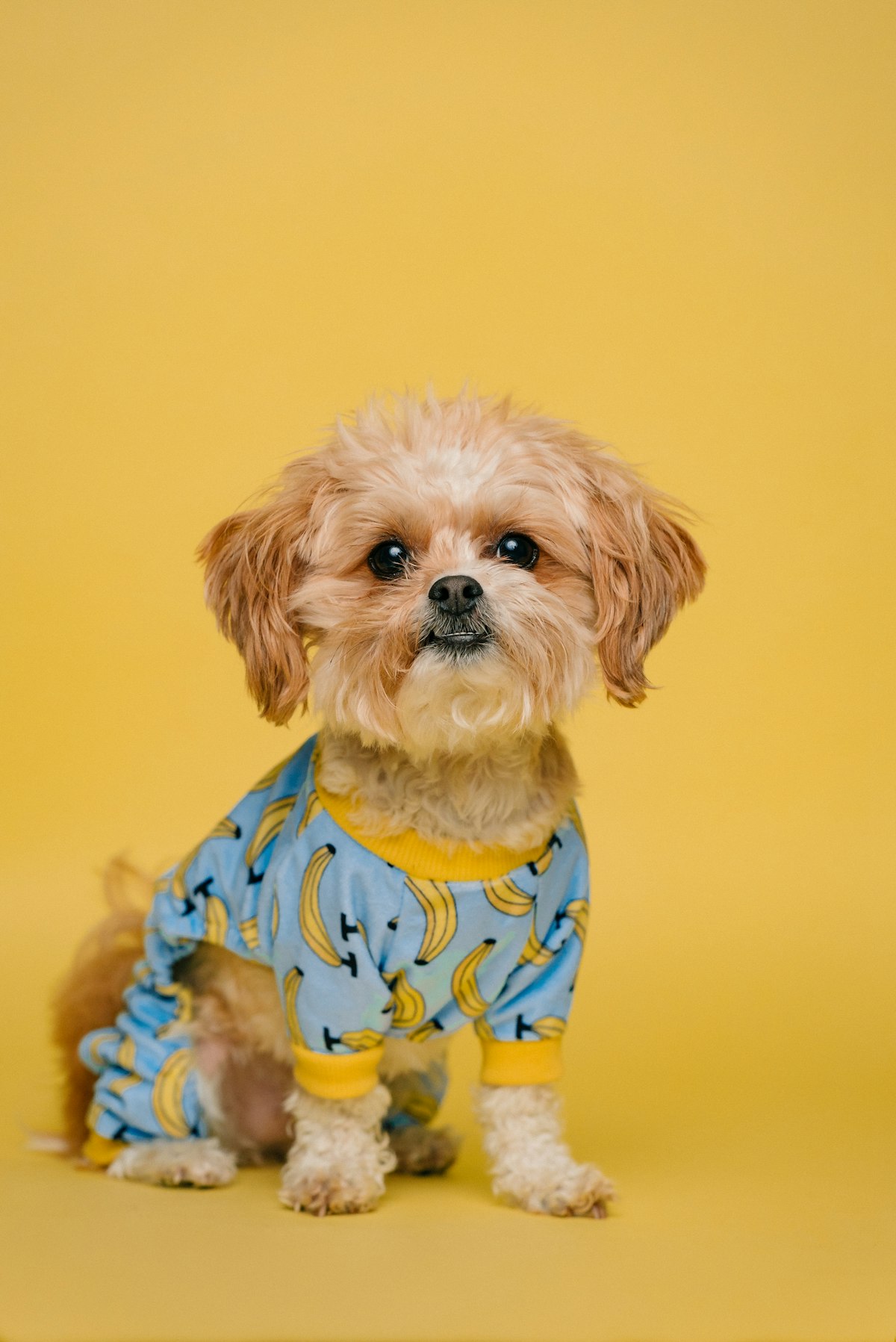
Dogs often retreat to quiet spaces when feeling anxious, seeking comfort and security away from perceived threats
Physical Signs of Dog Anxiety
Body Language Indicators
Anxious dogs display distinct physical postures and movements that trained observers can readily identify. A tucked tail, often held low between the legs or wrapped tightly against the body, is one of the most recognisable signs. The ears may be pinned back against the head, and the dog might appear smaller as they attempt to make themselves less noticeable.
Trembling or shaking, particularly when not cold, frequently indicates anxiety. This involuntary response occurs as the nervous system prepares for fight-or-flight reactions. You might also notice excessive panting when the temperature doesn't warrant it, or rapid, shallow breathing that differs from normal exercise-induced panting.
Facial Expressions and Eyes
The eyes often provide the clearest window into a dog's emotional state. Anxious dogs may show "whale eye," where the whites of the eyes become visible as they glance nervously around without moving their head. Dilated pupils, excessive blinking, or a fixed, wide-eyed stare can also indicate stress.
Facial tension is another telling sign. The mouth may be tightly closed, or conversely, the dog might pant excessively with a tense expression. Some dogs exhibit lip licking or yawning when not tired, which are displacement behaviours indicating discomfort.
Physical Symptoms
Anxiety can manifest in various physical ways that affect your dog's overall well-being. Excessive drooling, particularly in breeds not typically prone to slobbering, may indicate stress. Digestive issues such as diarrhoea, vomiting, or loss of appetite frequently accompany anxiety, as stress hormones impact the gastrointestinal system.
Hair loss or excessive shedding beyond normal seasonal patterns can result from stress. Some anxious dogs develop skin conditions or hot spots from excessive licking or scratching, creating a cycle where physical discomfort increases anxiety levels.
Behavioural Signs of Anxiety in Dogs
Destructive Behaviours
Destructive activity often represents a dog's attempt to cope with overwhelming anxiety. Chewing furniture, shoes, or household items may occur when dogs seek to self-soothe or release nervous energy. Scratching at doors, walls, or flooring, particularly near exit points, frequently indicates separation anxiety as dogs attempt to reach their owners.
Digging, whether in the garden or at carpets and bedding, serves as another outlet for anxious energy. These behaviours typically intensify when dogs are left alone or during particularly stressful periods.
Changes in Social Behaviour
Anxious dogs may become clingy, following their owners constantly and seeking reassurance through physical contact. Conversely, some dogs withdraw and become less sociable, avoiding interaction with family members or other pets. This withdrawal might manifest as hiding in small spaces, under furniture, or in quiet areas of the home.
Aggression can sometimes emerge as anxiety escalates, particularly if the dog feels cornered or unable to escape a perceived threat. This might include growling, snapping, or defensive posturing when approached during stressful situations.
Repetitive Behaviours
Compulsive behaviours often develop as coping mechanisms for chronic anxiety. These might include excessive licking of paws or other body parts, creating wounds or irritation. Tail chasing, spinning, or pacing along established routes can become obsessive patterns that provide temporary relief from anxiety.
Some dogs develop vocal repetitive behaviours such as continuous barking, howling, or whining, particularly when experiencing separation anxiety or responding to external triggers.
Separation Anxiety: A Common UK Problem
Separation anxiety represents one of the most prevalent anxiety disorders affecting British dogs, particularly following the significant lifestyle changes experienced during and after the COVID-19 pandemic. Many dogs became accustomed to constant human companionship during lockdowns, making the return to normal work schedules particularly challenging.
Signs of separation anxiety typically begin before owners leave the house. Dogs may become agitated when they observe pre-departure cues such as picking up keys, putting on coats, or gathering work materials. This anticipatory anxiety can manifest hours before the actual departure.
During owner absence, separation anxiety may involve destructive behaviours focused on exit points, excessive vocalisation that disturbs neighbours, inappropriate toileting despite being house-trained, and attempts to escape. Upon return, these dogs often display overwhelming excitement that seems disproportionate to the length of separation.
Many dogs experience distress when separated from their owners, often manifesting as waiting by windows or doors
Noise-Related Anxiety and UK-Specific Triggers
British dogs face particular challenges related to noise anxiety, especially during fireworks season around Bonfire Night and New Year's Eve. Thunder phobia is also common, with the unpredictable nature of British weather creating frequent opportunities for sound-related stress.
Urban environments present additional challenges with construction noise, traffic, sirens, and general city sounds. Even countryside dogs may struggle with agricultural machinery, gunshots during hunting season, or military aircraft in training areas.
Early signs of noise anxiety include restlessness or attempts to hide when sounds begin. As the phobia develops, dogs may begin reacting to related cues such as changes in barometric pressure before storms or visual signs associated with fireworks preparations.
When to Seek Professional Help
Recognising when dog anxiety requires professional intervention is crucial for effective treatment. If anxiety signs persist despite environmental modifications and basic training techniques, or if behaviours escalate in frequency or intensity, professional help becomes necessary.
Qualified canine behaviourists accredited by organisations such as the Association of Pet Dog Trainers (APDT) or the Institute of Modern Dog Trainers (IMDT) can provide comprehensive assessment and treatment plans. These professionals use science-based, positive reinforcement methods to address anxiety root causes rather than simply suppressing symptoms.
Veterinary consultation is essential when anxiety significantly impacts a dog's quality of life, particularly if physical symptoms such as digestive issues, skin problems, or changes in appetite occur. Some anxiety cases benefit from medication alongside behaviour modification, requiring veterinary oversight.
Dog Training and Behaviour Modification Costs (2026)
| Service Type | Price Range | Duration | Notes |
|---|---|---|---|
| Initial Consultation | £80-£150 | 1-2 hours | Assessment and basic plan |
| Follow-up Sessions | £60-£120 | 1 hour | Individual training sessions |
| Anxiety-Specific Programme | £400-£800 | 4-8 weeks | Comprehensive treatment plan |
| Group Socialisation Classes | £15-£30 | Per session | Ongoing weekly classes |
| Intensive Day Training | £200-£400 | Full day | Severe cases requiring intensive work |
| Online Consultation | £40-£80 | 45-60 minutes | Remote assessment and guidance |
Prices vary significantly based on location, with London and South East England typically commanding higher fees
Questions to Ask Before Hiring a Dog Trainer for Anxiety Issues
Qualifications and Experience
- What specific qualifications do you hold in canine behaviour and training?
- Are you affiliated with recognised UK organisations such as APDT, IMDT, or CCAB?
- How many anxiety cases have you successfully treated in the past year?
- Can you provide references from clients with similar issues?
Training Methods and Philosophy
- Do you use positive reinforcement-based methods exclusively?
- How do you feel about punishment-based training techniques?
- What is your approach to medication if recommended by a veterinarian?
- Do you work collaboratively with veterinary professionals?
Treatment Planning and Progress
- How do you assess the severity and type of anxiety?
- What does a typical treatment timeline look like?
- How do you measure and track progress?
- What homework or exercises will be required between sessions?
Practical Considerations
- Do you offer in-home consultations for severe anxiety cases?
- What ongoing support is available after the initial treatment programme?
- How do you handle setbacks or plateaus in progress?
- Are follow-up sessions included in your pricing structure?
Creating an Anxiety-Reduction Environment
Environmental modifications form a crucial component of anxiety management. Creating safe spaces within the home where dogs can retreat during stressful situations provides essential security. These areas should be quiet, comfortable, and consistently available, equipped with familiar bedding and perhaps items carrying the owner's scent.
Establishing predictable routines helps anxious dogs feel more secure by reducing uncertainty. Consistent feeding times, exercise schedules, and daily activities create structure that many anxious dogs find comforting.
Sound management techniques can significantly reduce noise-related anxiety. Background music or white noise machines can mask triggering sounds, while gradual desensitisation programmes help dogs develop tolerance to previously frightening noises.
The Role of Exercise and Mental Stimulation
Appropriate physical exercise plays a vital role in anxiety management by reducing excess energy that might otherwise manifest as anxious behaviours. However, exercise type and timing matter significantly for anxious dogs. High-intensity activities might overstimulate already anxious animals, while gentle, predictable exercise often proves more beneficial.
Mental stimulation through puzzle toys, training games, and scent work can redirect anxious energy into positive activities. These activities also build confidence as dogs successfully complete challenges, improving overall emotional resilience.
Long-term Management Strategies
Managing dog anxiety requires long-term commitment and often ongoing adjustments to treatment approaches. Success typically involves combining environmental modifications, training techniques, and sometimes veterinary interventions to address all aspects of the dog's experience.
Regular monitoring of anxiety levels helps identify triggers and track progress over time. Keeping detailed records of incidents, improvements, and setbacks provides valuable information for refining treatment approaches.
Building a support network including veterinary professionals, qualified trainers, and understanding family members creates the comprehensive care team necessary for successfully managing canine anxiety.
Frequently Asked Questions
How long does it typically take to see improvement in dog anxiety?
Improvement timelines vary significantly depending on the anxiety's severity, duration, and underlying causes. Minor anxiety issues may show improvement within 2-4 weeks of consistent intervention, while severe or long-standing anxiety may require several months of dedicated work. Early intervention generally leads to faster progress, emphasising the importance of addressing signs promptly rather than hoping they'll resolve independently.
Can dog anxiety worsen with age?
Yes, anxiety can intensify as dogs age due to cognitive changes, increased vulnerability, and accumulated negative experiences. Senior dogs may develop new anxieties related to vision or hearing loss, physical discomfort, or cognitive dysfunction syndrome. However, older dogs can still benefit significantly from appropriate treatment, though progress may require more patience and modified techniques.
Are certain dog breeds more prone to anxiety?
While any dog can develop anxiety, some breeds show higher predisposition due to genetic factors and original breeding purposes. Herding breeds like Border Collies may be more sensitive to environmental changes, while toy breeds might be more prone to separation anxiety. However, individual personality, early socialisation, and life experiences play equally important roles in anxiety development.
Should I comfort my anxious dog or ignore the behaviour?
This common concern reflects outdated training myths. Providing calm, reassuring presence during anxiety episodes won't reinforce fearful behaviour, as fear is an emotion rather than a chosen behaviour. However, overly dramatic responses or excessive fussing might increase arousal. The best approach involves remaining calm and offering gentle comfort while working on underlying anxiety causes.
When should I consider anxiety medication for my dog?
Veterinary consultation regarding anxiety medication is appropriate when behavioural interventions alone aren't sufficient, when anxiety significantly impairs quality of life, or when severe anxiety prevents dogs from learning new coping strategies. Medication often works best combined with behaviour modification rather than as a standalone treatment. Never attempt to medicate anxiety without veterinary guidance.
How can I prevent anxiety from developing in puppies?
Early socialisation during the critical period (3-14 weeks) provides the foundation for confident adult behaviour. Exposing puppies to various people, animals, environments, and experiences in positive ways builds resilience. Avoiding traumatic experiences, providing consistent routines, and teaching coping skills through positive training all contribute to anxiety prevention. However, some anxiety predisposition may be genetic and require ongoing management regardless of early experiences.
Recognising dog anxiety signs early and responding appropriately can dramatically improve your pet's quality of life while strengthening your bond. Remember that anxiety is a treatable condition, and with proper support, most dogs can learn to manage their fears and live happier, more confident lives.
Find a Dog Trainer Near You →
Search our free UK directory to find qualified, accredited dog trainers and behaviourists across the UK. Compare local professionals, read reviews and find the right trainer for your dog today.
Comments(0)